Keeping in line with the Biden Administration’s objective to attract and maintain global talent in the fields of science, technology, engineering, and mathematics (“STEM”), United States Citizenship and Immigration Services (“USCIS”) has recently published additional online resources on its website, to " provide an overview of some of the temporary and permanent pathways for noncitizens to work in the United States” in the STEM fields.
Read moreDLG on Summer Break

El Toro de Oro by Enrique Cabrera

The bronze Charging Bull statue that has come to represent the US stock market has been on display in Manhattan’s Financial District since 1989. Nearby, in the Meatpacking District, a brand-new bronze bull sculpture is on view. Mexican sculptor Enrique Cabrera’s El Toro de Oro, which translates to ‘The Golden Bull,’ is an homage to the neighborhood’s past and future. The butcher block-inspired pedestal is a nod to the slaughterhouses and meat packing and processing plants that once defined the neighborhood. The shiny, multifaceted sculpture sparkles in the sunlight atop this platform, celebrating the neighborhood’s reincarnation as a vibrant nightlife and high-end food epicenter. The contrast is “a visual representation of the Meatpacking District’s immense transformation over the last two decades.”
53 Migrants Died After Human Traffickers Abandoned Them in a Scorching Truck
Desperate to flee political unrest, gang violence, extreme poverty, or extreme climate disasters, thousands of people resort to risking their lives every year to seek safety for themselves and their families in the United States. On Monday, June 27, 2022, a tragedy occurred that is “among the worst episodes of migrant death in the United States in recent years.” Sixty-two migrants who had crossed the US border were locked into an unventilated tractor trailer in the scorching heat outside of San Antonio, Texas and left to die. The bodies of forty-six people hailing from Mexico, Guatemala, Honduras, and El Salvador were found dead inside the truck after a person working in the area reported hearing a cry for help and spotted at least one body. Sixteen others, including four children, were hospitalized for heat stroke. Unfortunately, seven more lives have been lost since June 27th, raising the total fatalities to fifty-three at this time.
Read moreUSCIS Extends Flexibility for Responding to Agency Requests and Will Permanently Accept Scanned Signatures
In response to the ongoing coronavirus (COVID-19) pandemic, US Citizenship & Immigration Services (“USCIS”) is yet again extending the flexibilities it originally announced over two years ago, on March 30, 2020. USCIS’ 60-day deadline extension policy for responses to various agency actions has been extended through October 23, 2022, to assist applicants, petitioners, and requestors who are responding to:
Requests for Evidence;
Continuations to Request Evidence (N-14);
Notices of Intent to Deny;
Notices of Intent to Revoke;
Notices of Intent to Rescind;
Notices of Intent to Terminate regional centers;
Motions to Reopen an N-400 Pursuant to 8 CFR 335.5, Receipt of Derogatory Information After Grant.
Immigrants have Always Been Essential Workers

"You Know Who I Am" by Paola Pivi
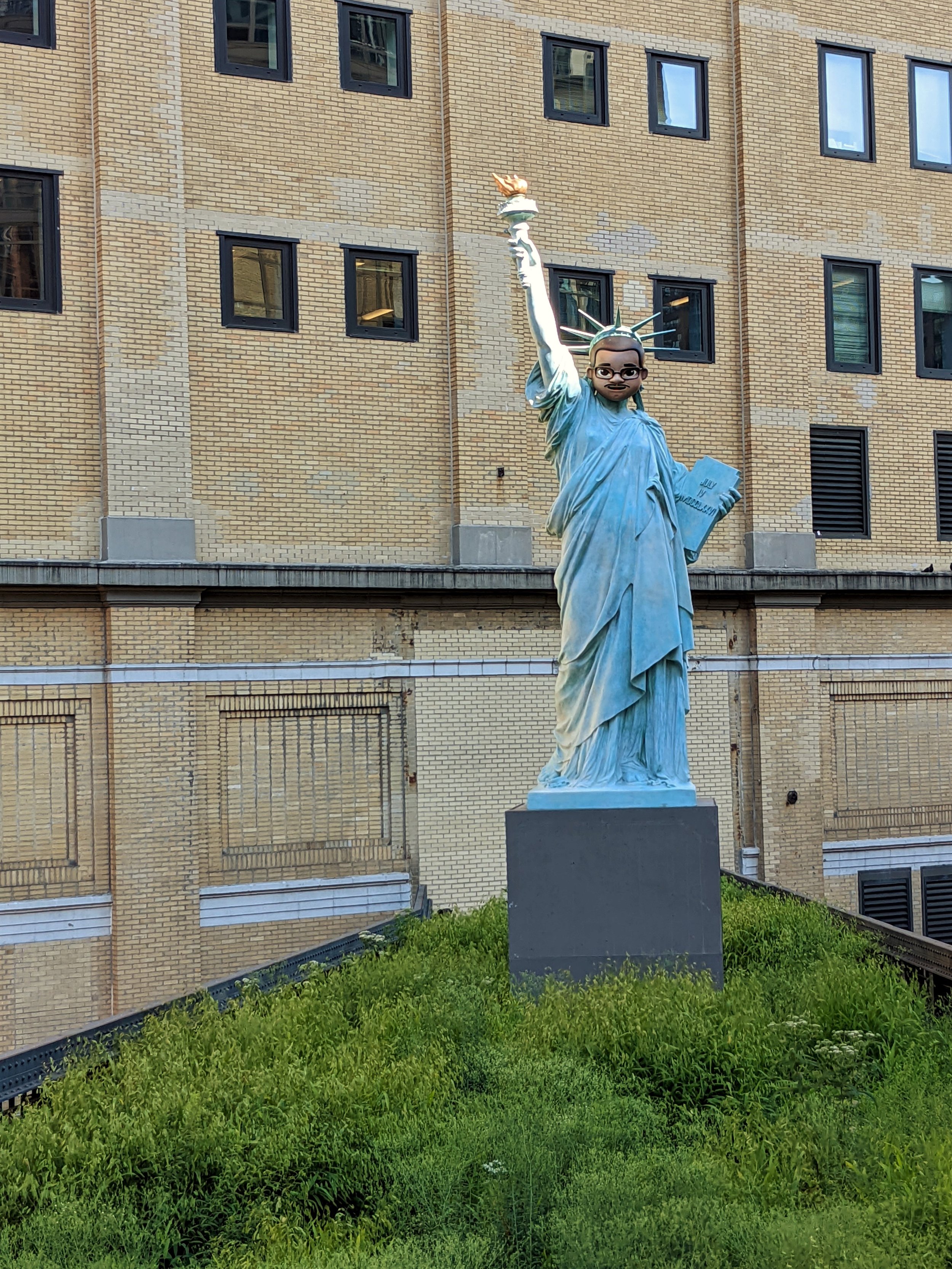
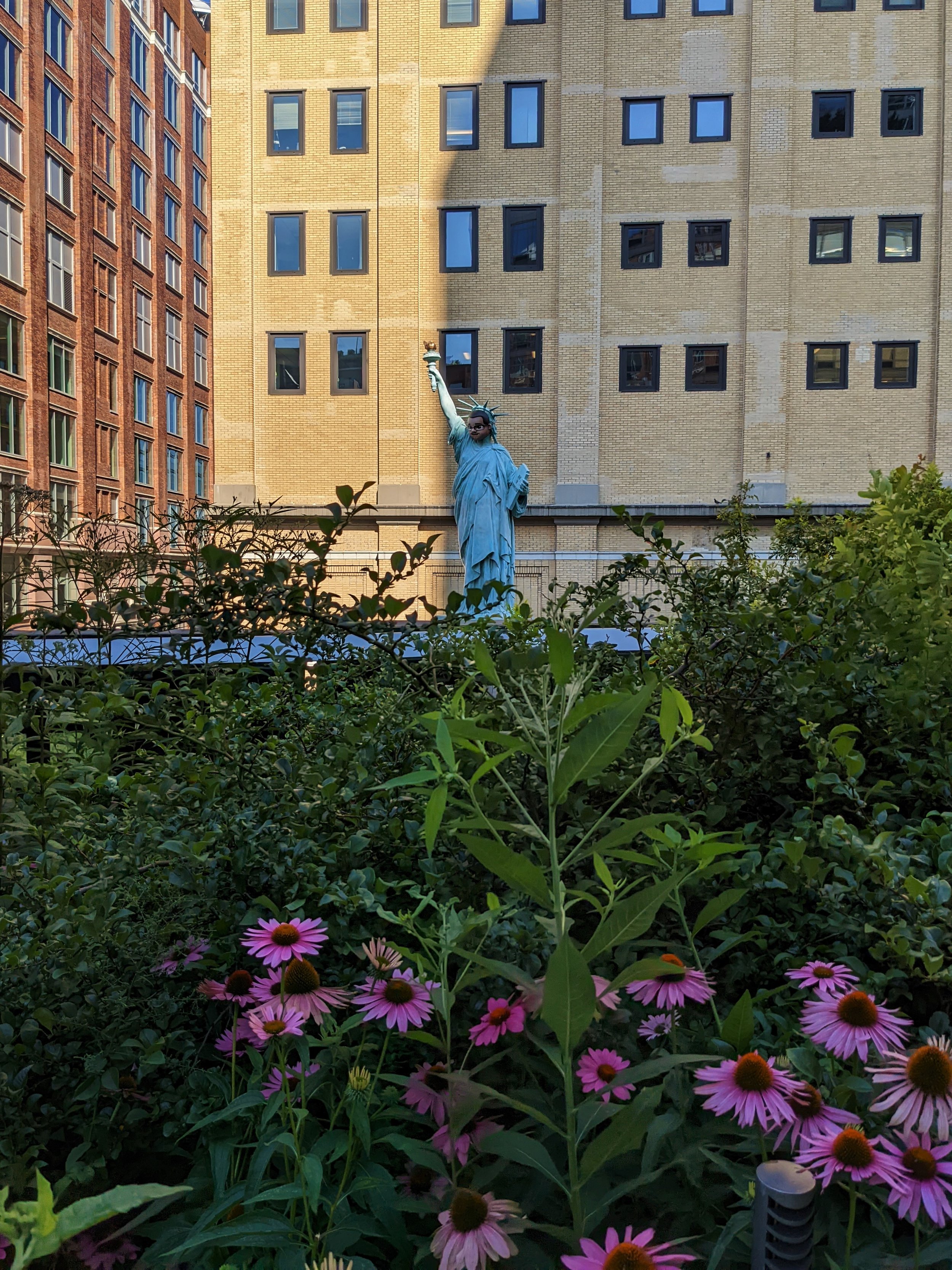
The Statue of Liberty stands in New York Harbor and has welcomed people to New York since 1886. For decades, immigrants processed through Ellis Island saw the enormous copper statue upon arriving at US shores. Though Ellis Island no longer processes arrivals to the US, the statue remains an iconic symbol of freedom and welcome. In a new work called “You Know Who I Am,” on view on the High Line in New York City, artist Paola Pivi has repurposed the image of the statue to reflect on those ideas of freedom and welcome in the US today. She created a smaller-scale replica of the Statue of Liberty and added a series of emoji-style masks, each representing “an individual whose experience of freedom is connected to the United States, offering the sentiment that anyone could be represented within the symbol of the statue.” Currently, the mask portrays Marco Saavedra, “an artist, poet, restauranteur, longtime immigrant rights activist, and community organizer based in the South Bronx.” After many years of activism and organizing, Saavedra set a legal precedent for undocumented activists when he was granted political asylum in 2021. The image of his face on the iconic statue puts the history of American immigration in conversation with the modern immigration landscape.
Listen to an interview with Mr. Saavedra here.
Once and For All Fix Our Broken Immigration System

Languages of New York City

Click on the image to explore the interactive map
New York City’s linguistic diversity is astonishing – the relatively small area is home to speakers of over 700 different languages and dialects. The Languages of New York City map documents over 1200 distinct “neighborhoods, community institutions, restaurants, and other locations where there is, or was, at least one speaker” of a language. The original language of the area was Lenape, spoken by the indigenous people who occupied what is now New York City. That language is still spoken by the descendants of those original New Yorkers, and there are ongoing initiatives to teach the Lenape language to more people. While Lenape is the language that has been spoken in this area the longest, there are hundreds of other languages brought to the city by immigrants from every corner of the globe. Within walking distance of Daryanani Law Group’s office, the Language Map pinpoints more than a dozen locations where someone speaks languages from Europe, Asia, Oceania, Africa, and the Americas. This is a map is a fascinating portrait of New York’s diverse immigrant communities, “our greatest and deepest asset.”

Donec id justo non metus auctor commodo ut quis enim. Mauris fringilla dolor vel condimentum imperdiet.