
On May 28, 2026, the White House quietly added a new page to its website: whitehouse.gov/aliens, or simply known by its shorthand domain, aliens.gov. Upon clicking, visitors are greeted by glowing green text scrolling up a starry black background in a style reminiscent of The X-Files. “Grotesque and terrifying and juvenile” is how Ernesto Verdeja, a genocide-prevention expert at the University of Notre Dame describes it and we couldn’t agree more.
Read moreImmigrants and the World Cup: More Than Just a Game
The FIFA World Cup is, by any measure, the world's biggest sporting event. But if you've been anywhere near a bar, a subway car, or a public square in New York over the past few weeks, you already know it's something else too; it’s a reminder, vivid and joyful, of just how many places this city holds inside it. However, this wave of celebration is not just a New York story. From Boston to Dallas and beyond, the World Cup has turned cities across the country into gathering places where people bring their flags, traditions, languages, and memories with them. Scotland’s “Tartan Army” filled Boston with kilts, bagpipes, and full-throated renditions of "Flower of Scotland" before spreading their good vibes to Miami. Norwegian supporters brought their "Viking Row" to the Times Square subway train, singing as they mimed rowing an imaginary longship through Midtown. Brazilian fans have carried drums, flags, and seas of yellow and green through the streets. After England's opening match in Dallas, thousands of supporters stayed in the stadium long after the final whistle to sing "Wonderwall" together — players included. And woven through it all are the immigrant communities already here. Brazilian cafés filling with yellow jerseys. Mexican restaurants erupting after a goal. Moroccan families spilling into public squares. American-born kids watching alongside parents and grandparents who carried their football loyalties with them from another country, another life, as well as official Fan Zones. It's loud and funny and sometimes deeply moving and what's striking is how naturally it all unfolds. Not as a statement about anything. Just people being exactly who they are.
Read more(Unpopular) Opinion: When to AI and When Not to AI
Whether we hail AI as the next Industrial Revolution or not, most of us have already embraced it in our daily lives. We have asked AI to find the best travel deals along with comprehensive travel itineraries, the kindest way to respond to a difficult text message, put together an effective workout plan, or simply to help make sense of a complicated email. AI has quickly become part of everyday life because, in many situations, it really is helpful. It can organize information, simplify communication, summarize ideas, and help us humans think through things more clearly and efficiently.
In many ways, immigration law practices are no different. AI can be a genuinely useful tool when used properly and responsibly.
Read moreTrading Petitions for Pottery
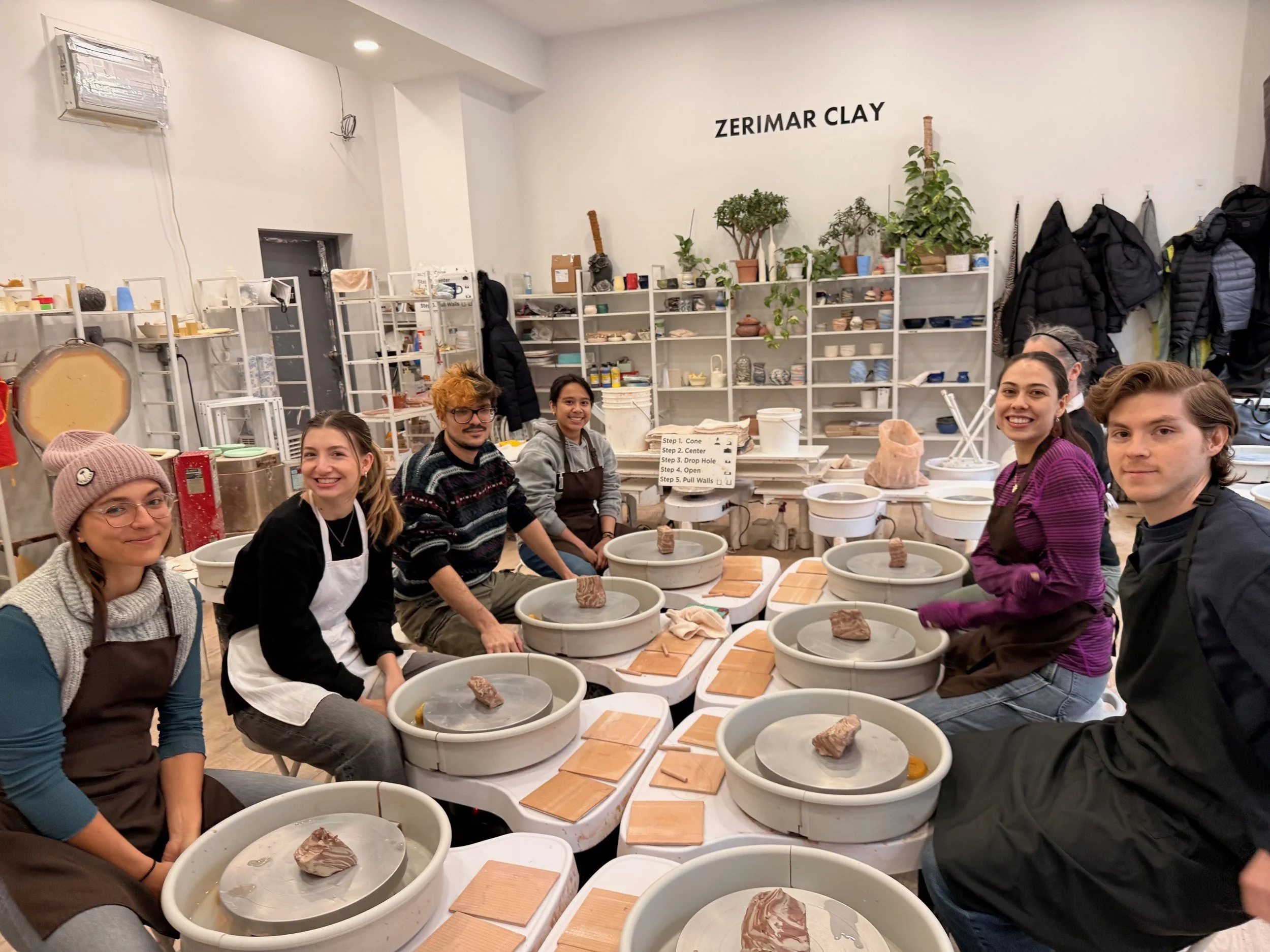
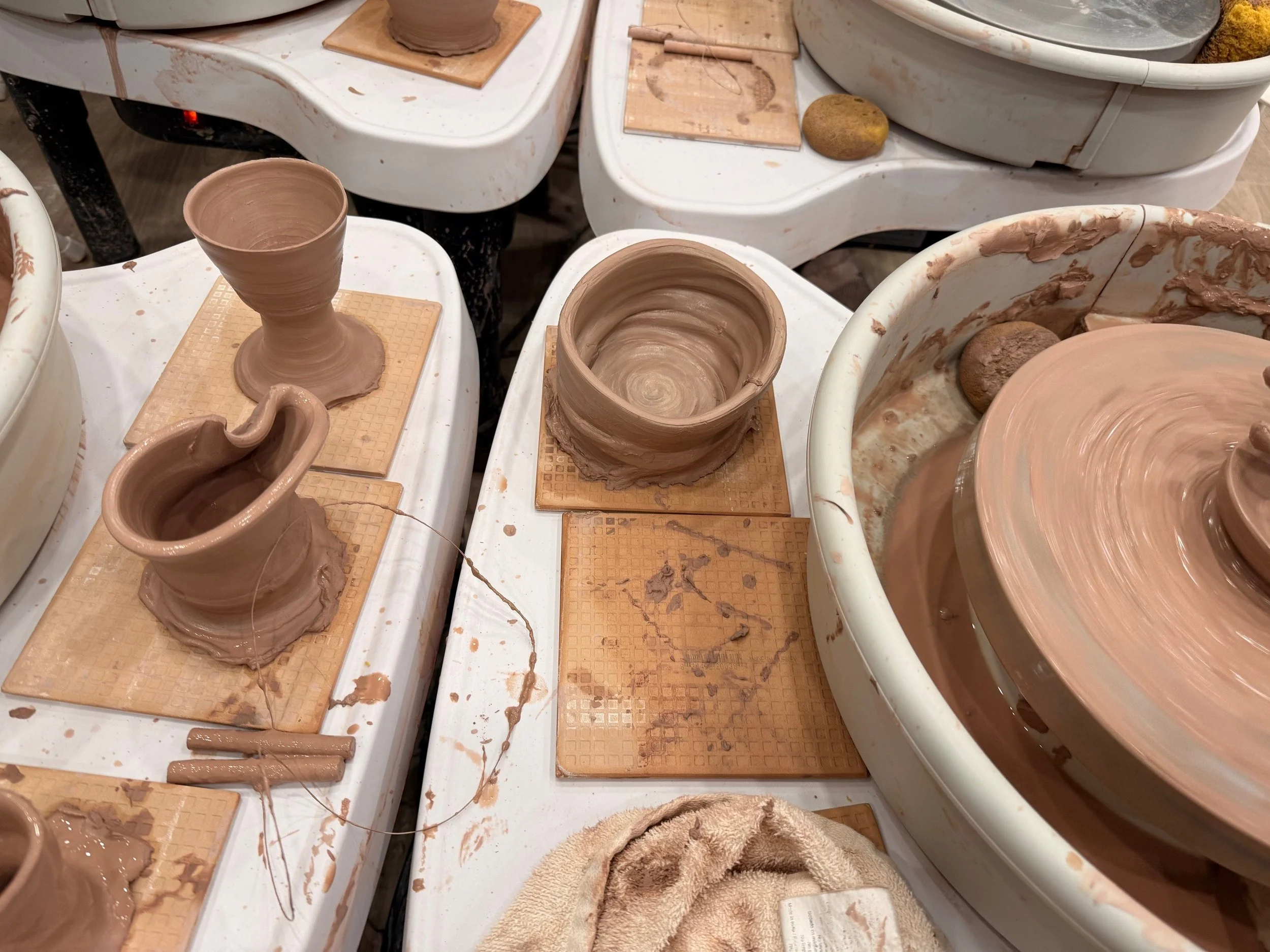
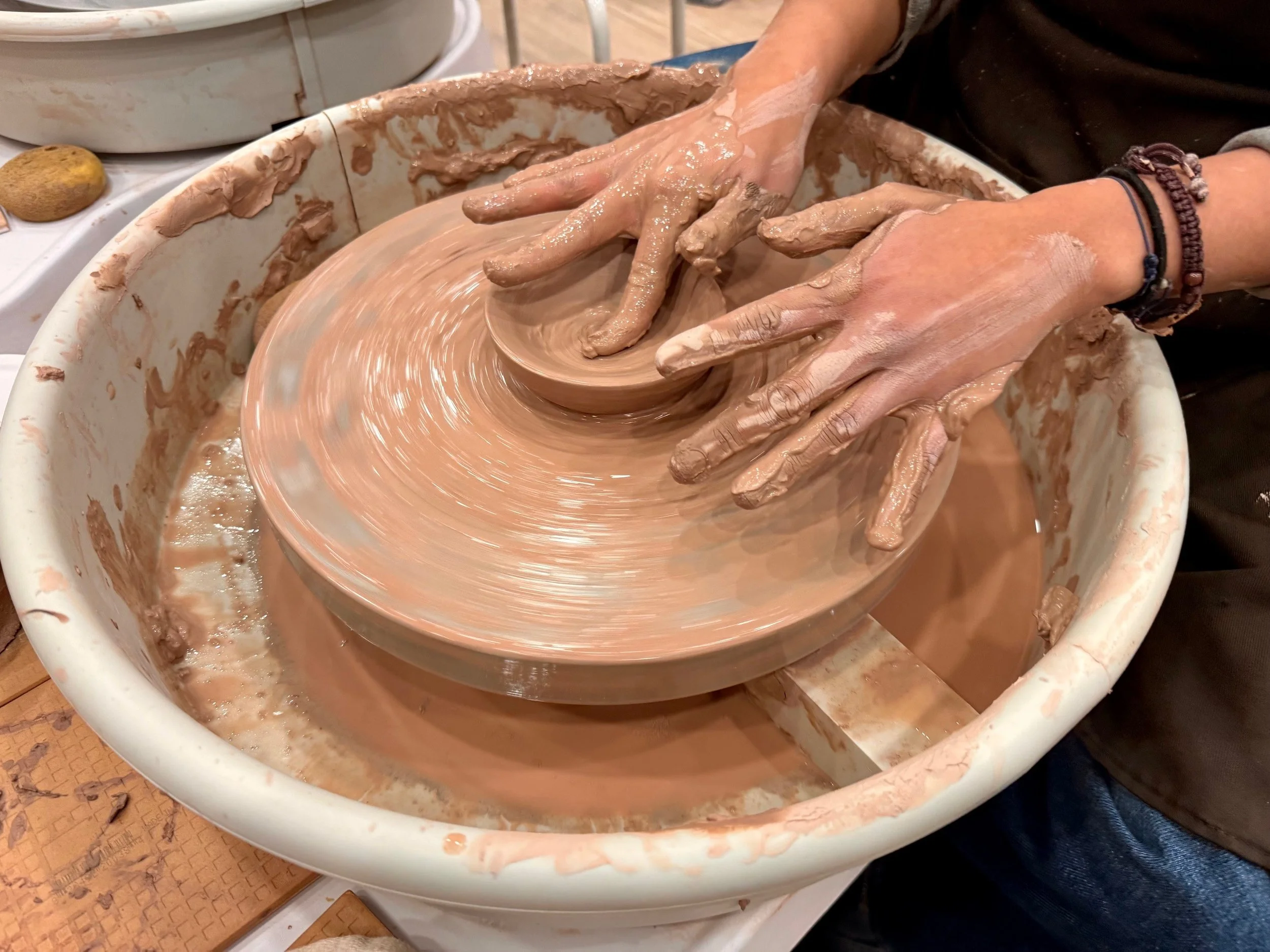
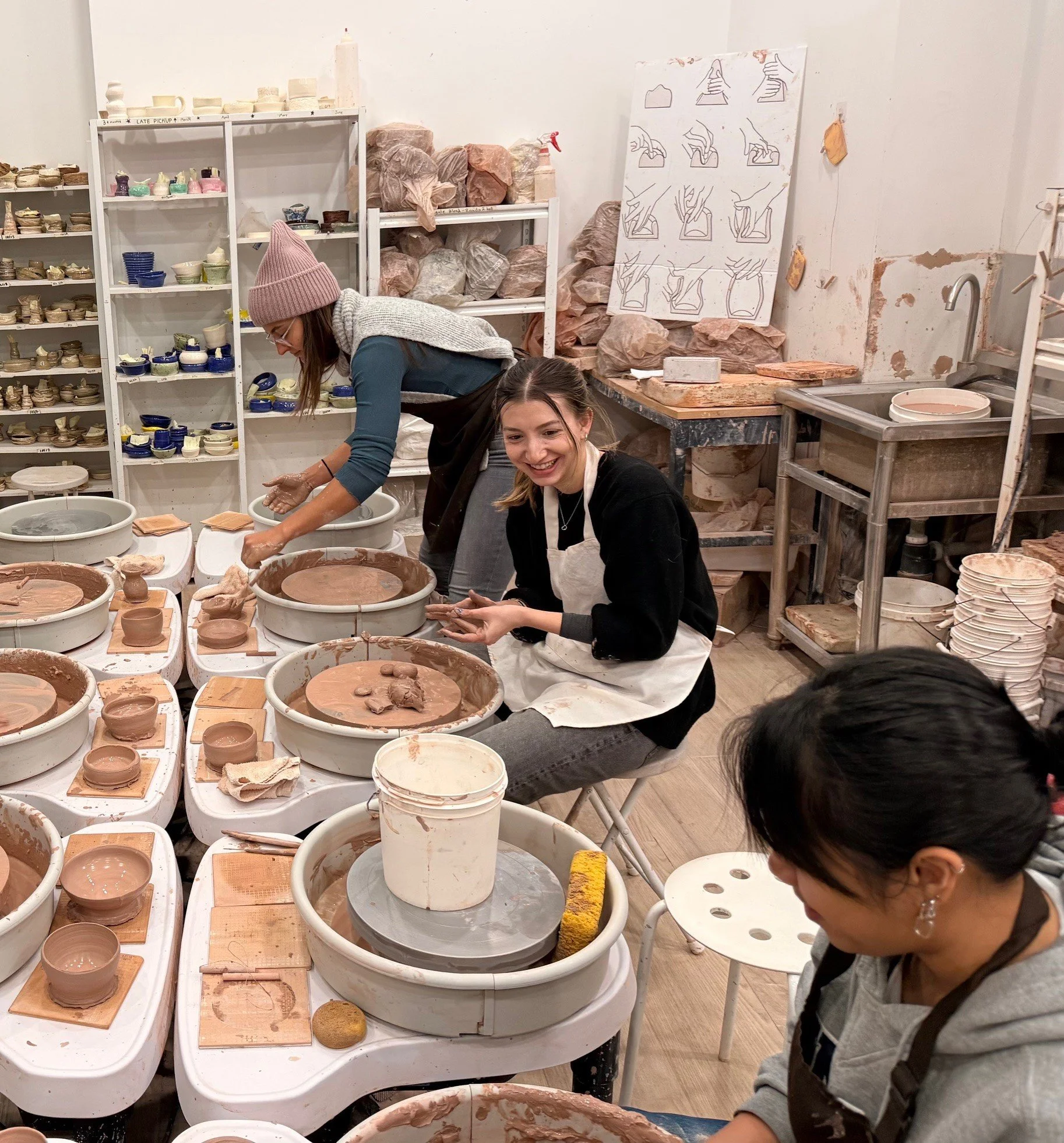
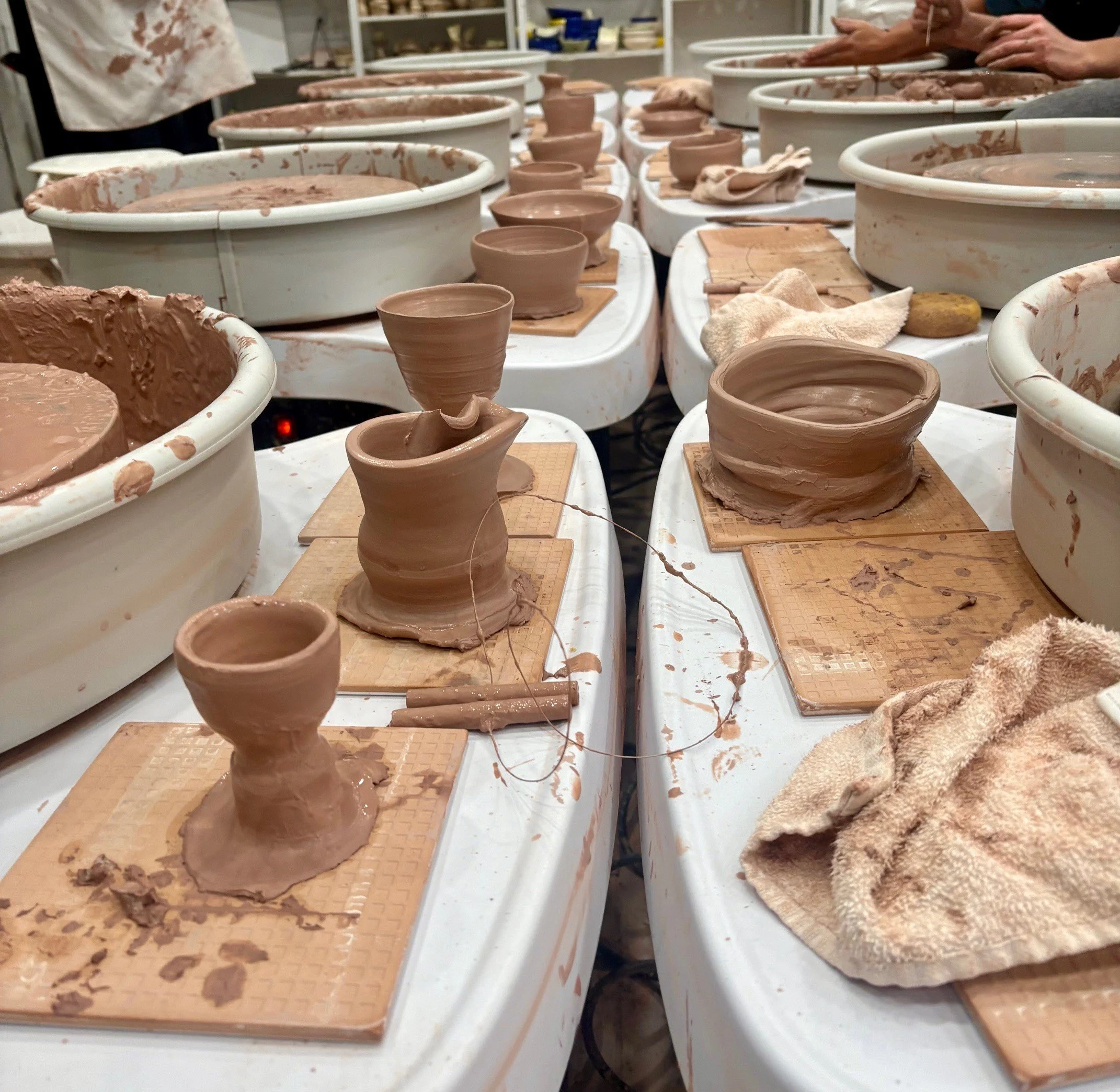
Given the stresses of the immigration field these days, we thought we would try some pottery throwing as a way to clear our minds and relax our spirits. Through a crash course at Zerimar Clay, we were introduced to the fundamentals of ceramics and learned how to shape the stunning agate clay to our will. Under the guidance of our skilled instructor (thanks Michael!), we created our own pieces ranging from bowls to chalices, all special in their own way. Although some of us found shaping clay more intense than preparing an O-1 petition, we all left with our hands a little smoother and unique pieces we will treasure. Maybe next time we will try something a little more relaxing like paintball!
The Chancery Rosewood
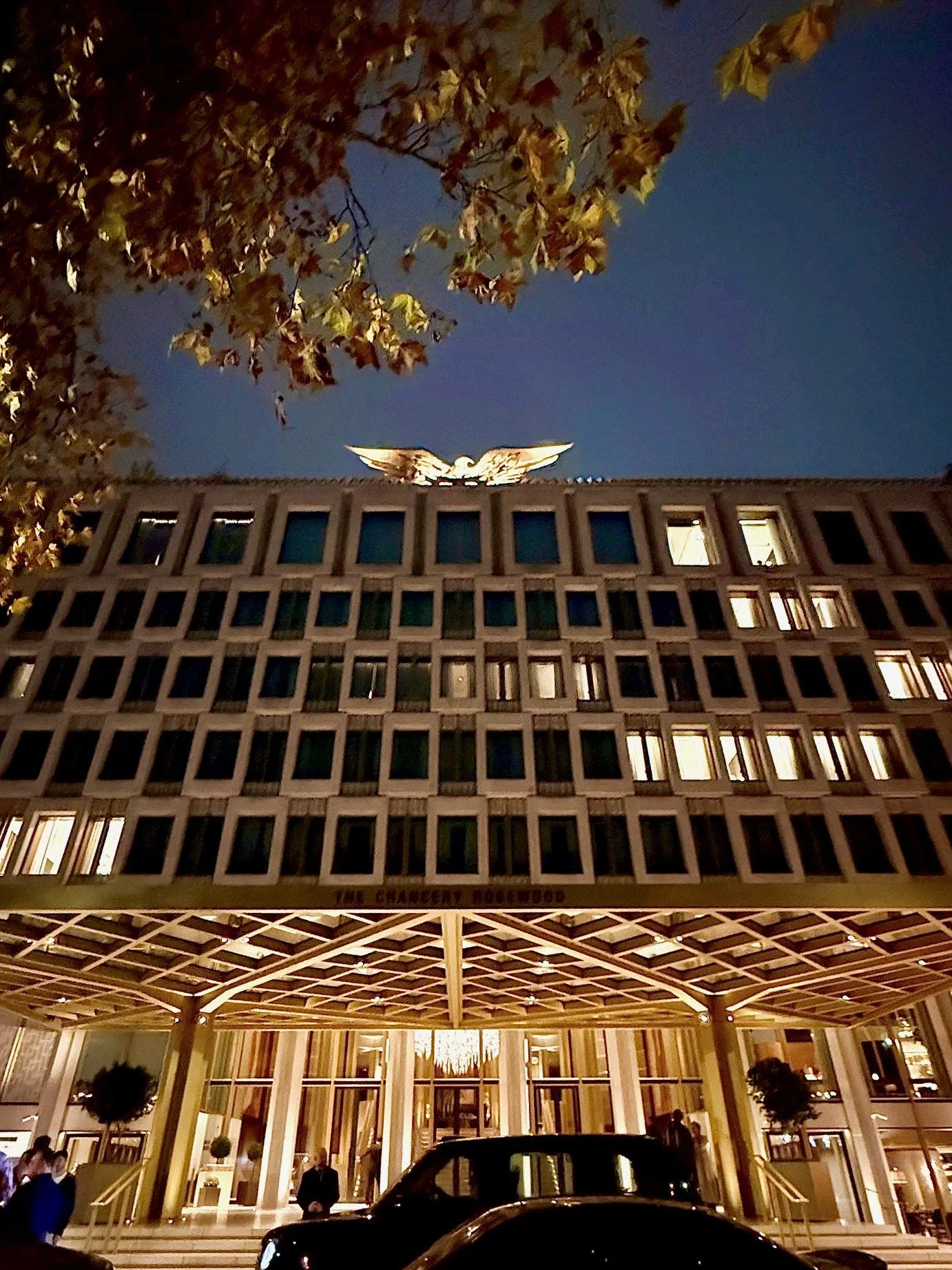


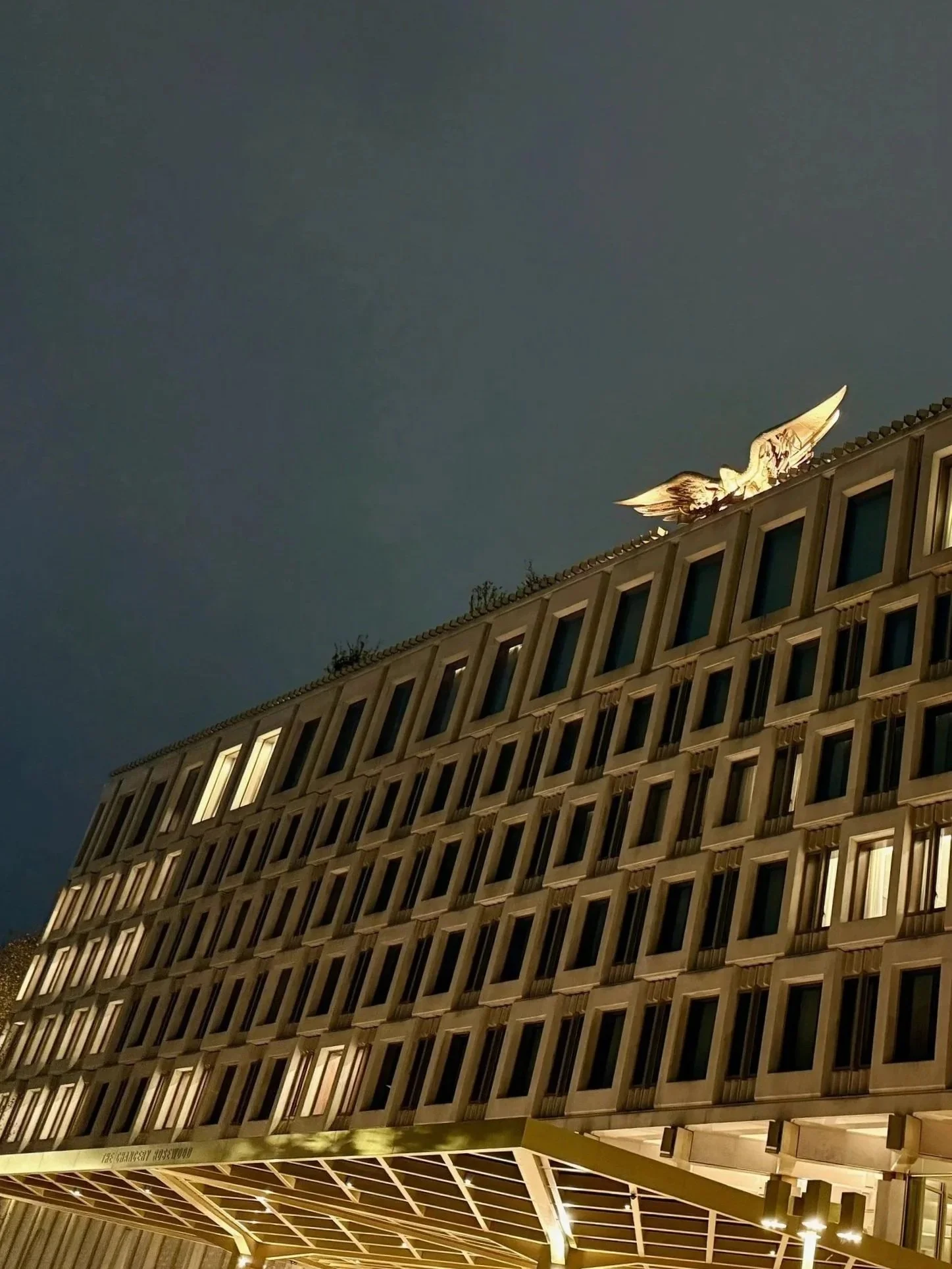
Standing in front of this familiar facade felt like stepping back into another chapter of my life. For years, to those of us involved with US visa applications, this was the spot for early mornings, visa interview nerves, clients clutching documents, and long lines curling around Grosvenor Square. This used to be the Embassy of the United States in London. Today it is a luxury hotel, the Chancery Rosewood, where guests stroll in for coffee and people chat along the in front of the iconic Eero Saarinen façade where anxious visa applicants once waited. The energy has shifted completely, yet that eagle still watches from above as if remembering every student, artist, entrepreneur, and family who stood under its gaze on their way to a new chapter in the United States.
“Speaking Willow” by Rafael Lozano-Hemmer
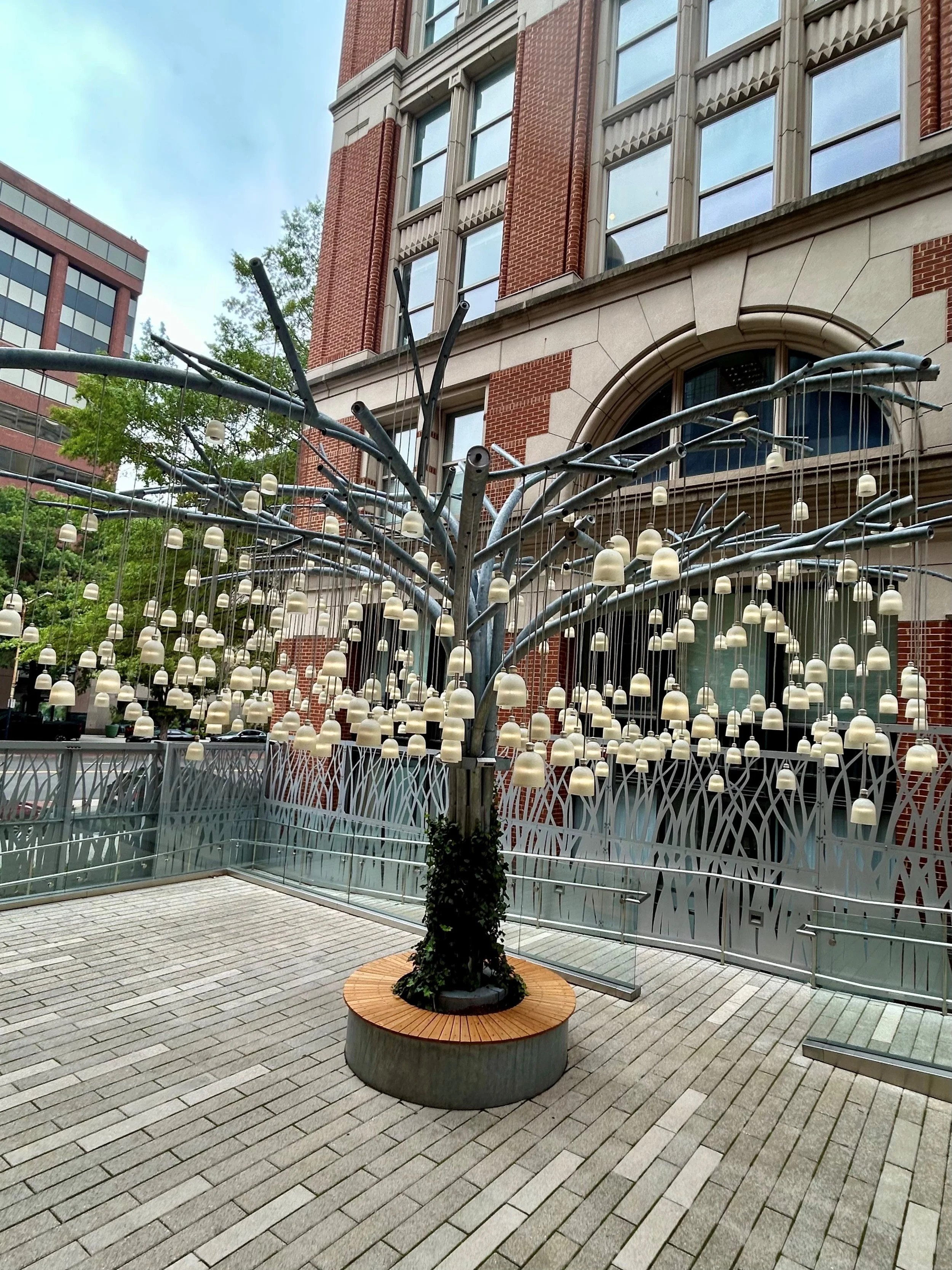
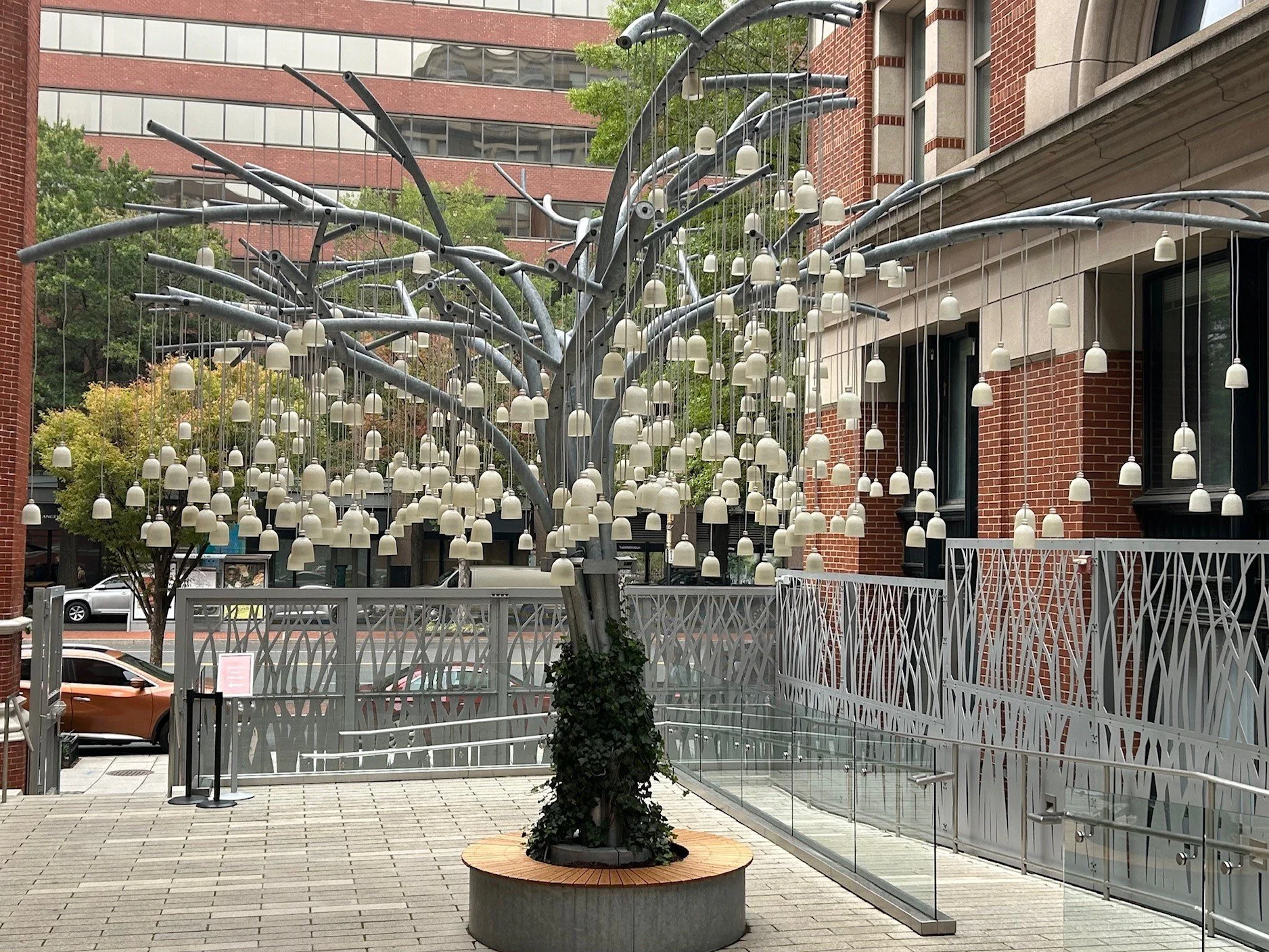

Being kept out of most attractions in DC due to the ongoing government shutdown, we were welcomed at Planet Word Museum by Mexican-Canadian electronic artist Rafael Lozano-Hemmer’s interactive sculpture “Speaking Willow” which celebrates the world’s vast linguistic diversity. Lozano-Hemmer captures the grace and resiliency of the willow tree, qualities that beautifully mirror the way languages evolve and intertwine through this auditory marvel. As visitors stroll beneath the tree’s sweeping branches, they trigger the 365 small, bell-shaped speakers that hang from above into conversations. Each speaker plays a recording in a different language, together representing the voices of more than 99% of the world’s population. Strolling around “Speaking Willow” is like listening to beautiful symphony, reminding us that while language roots us in our own communities, it also connects us to countless others through the shared rhythm of human expression.
If you visit, you may also want to stop for a bite at the Museum’s restaurant Immigrant Food, which celebrates all the global flavors that truly make America great!


Donec id justo non metus auctor commodo ut quis enim. Mauris fringilla dolor vel condimentum imperdiet.