
Keeping in line with its commitment to increase efficiency, US Citizenship and Immigration Services (“USCIS”) announced changes to improve and simplify how the agency communicates case processing time data to the public. Effective immediately, users can now “find the processing time information for their particular type of case, rather than seeing an aggregate of all related case types.”
Read moreMarginalized Groups Will Bear the Brunt of the Consequences

At The Met – Fictions of Emancipation: Carpeaux Recast
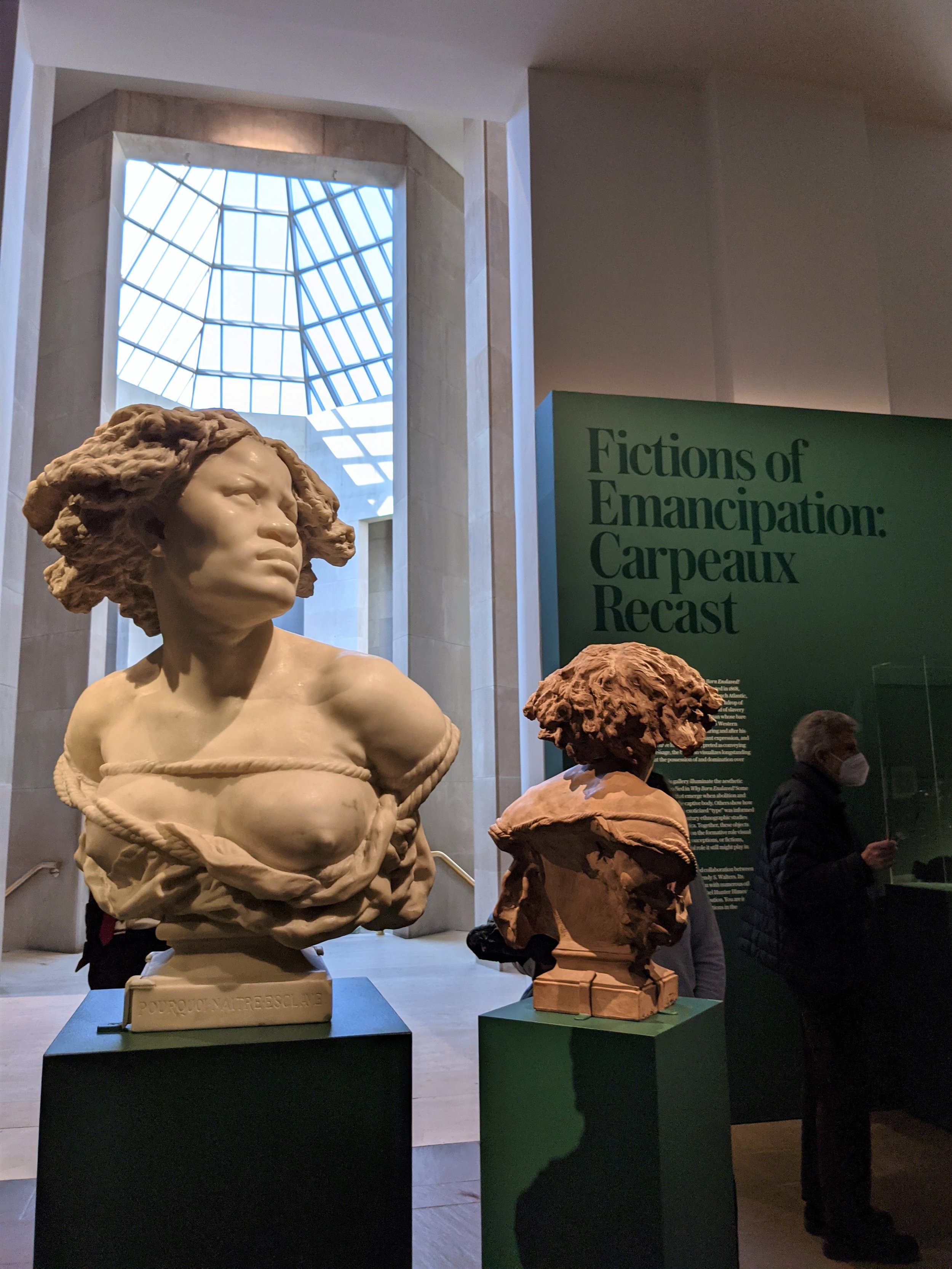
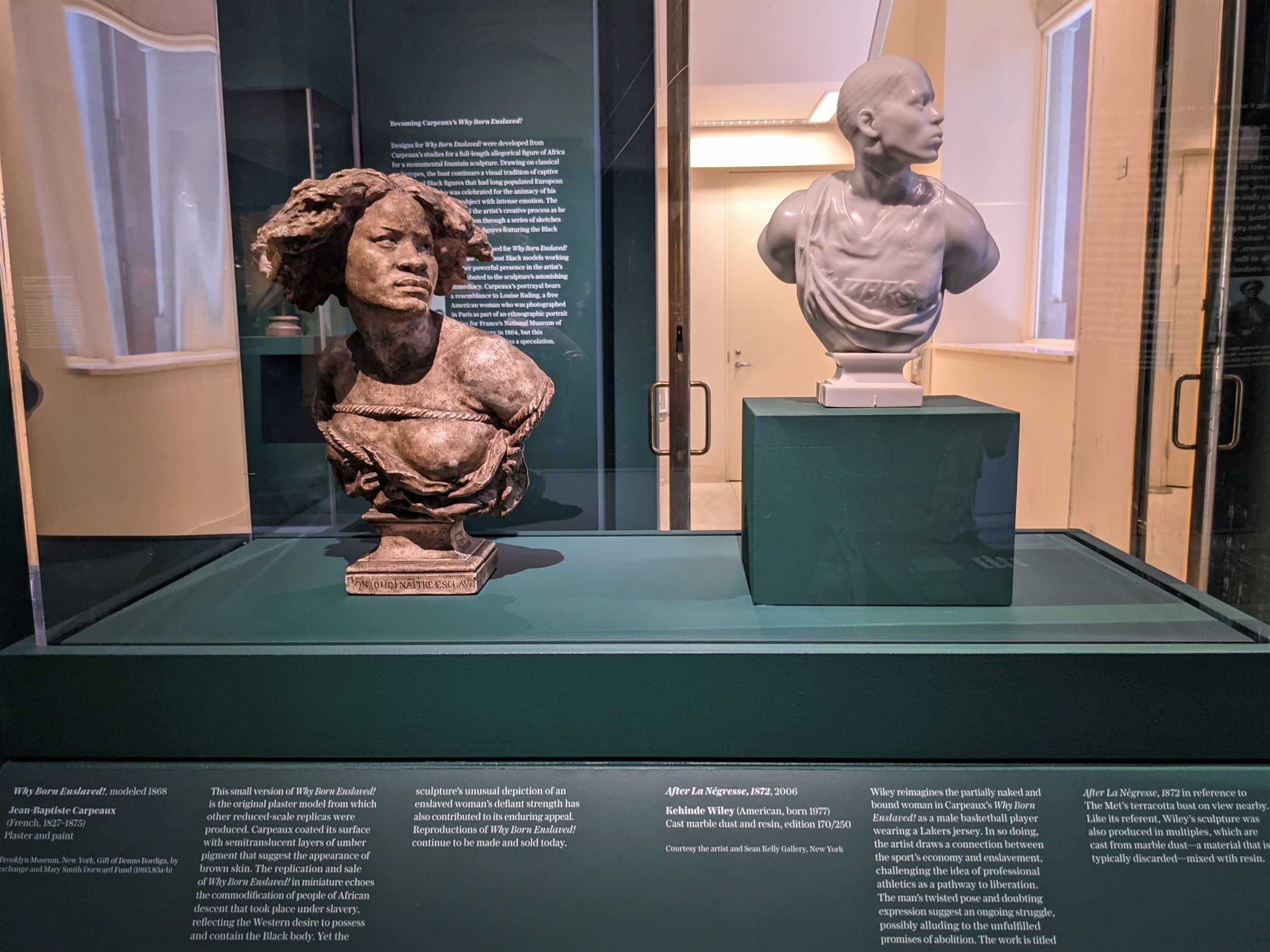
New York’s most famous art museum, the Metropolitan Museum of Art, is currently featuring a groundbreaking exhibition called “Fictions of Emancipation: Carpeaux Recast.” The exhibition is centered around a single sculpture – a marble bust by Jean-Baptiste Carpeaux entitled Why Born Enslaved! (1868). The bust, featuring a Black woman with tied arms and a defiant expression, became very popular in Europe when it was created. The Met’s exhibition explores the idea that antislavery imagery often reinforced the colonial power structures that they were meant to critique. It is “the first exhibition at the Met to examine Western sculpture in relation to the histories of transatlantic slavery, colonialism, and empire.” The exhibition is thoughtfully and expertly curated to challenge “institutional narratives… bringing race to the forefront of discussions about art and culture.”
A Perpetual Wait, A Constant Burden, A Continuous Feeling Out Of Sorts

Conservatory Garden
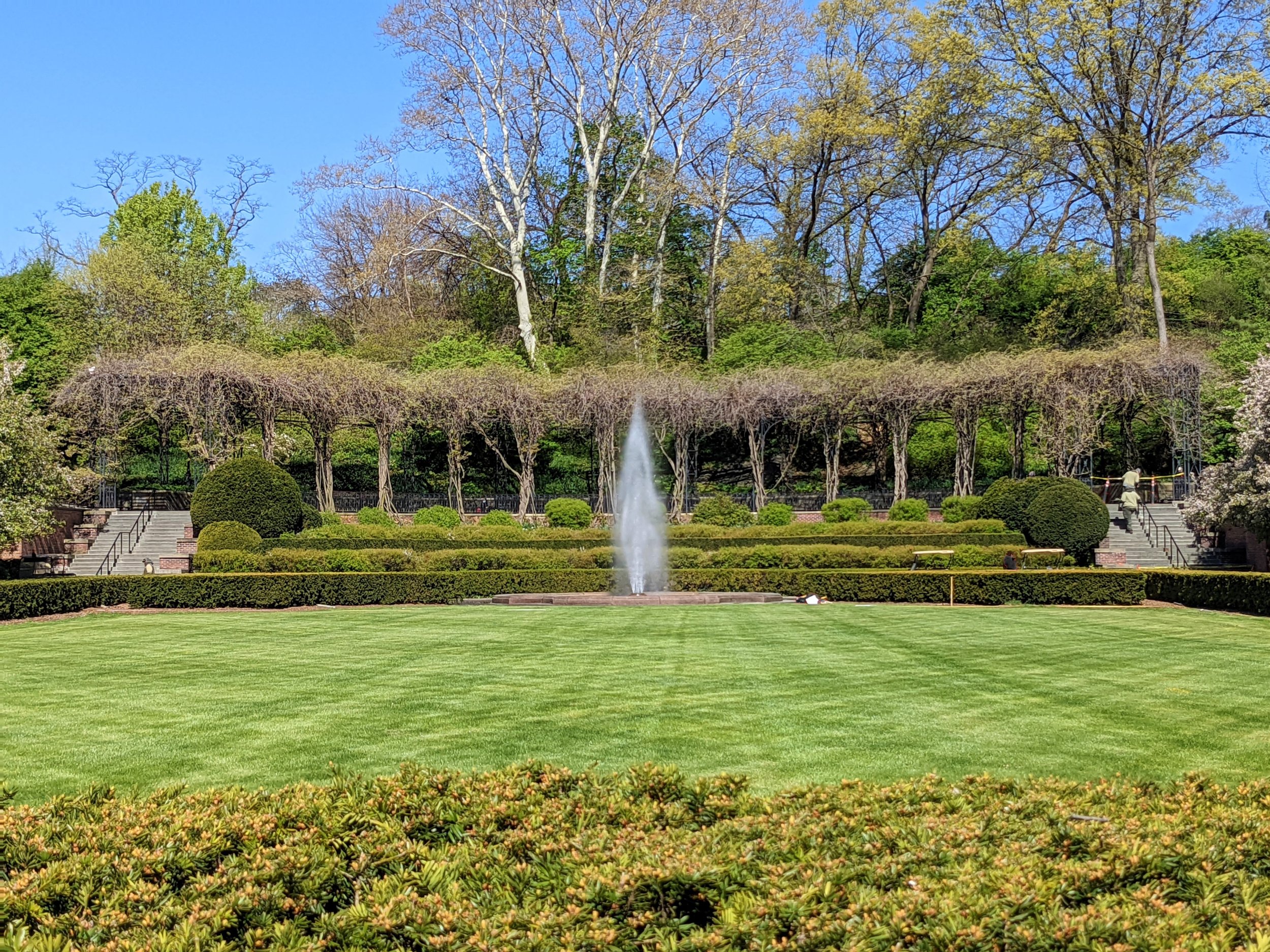
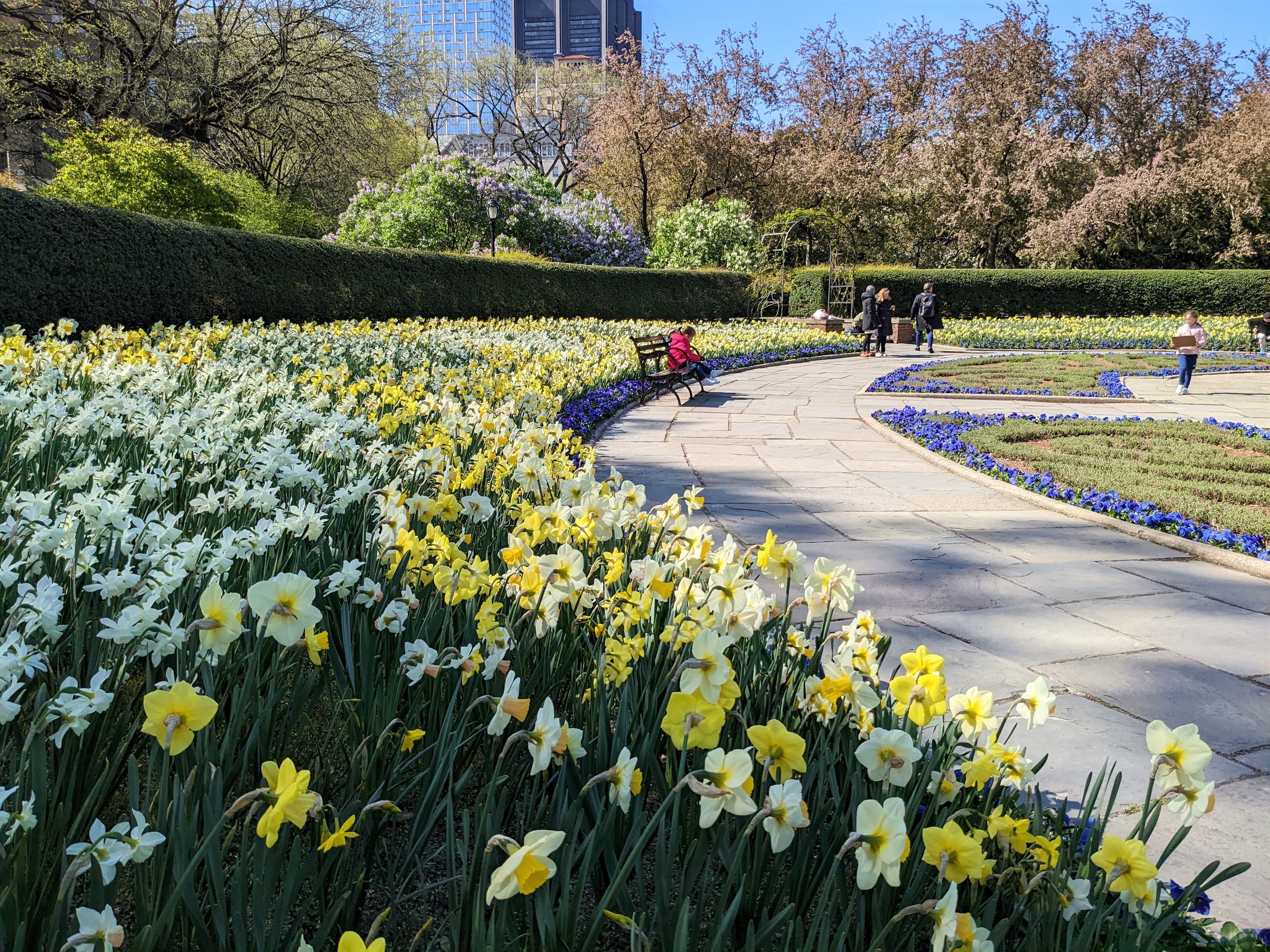
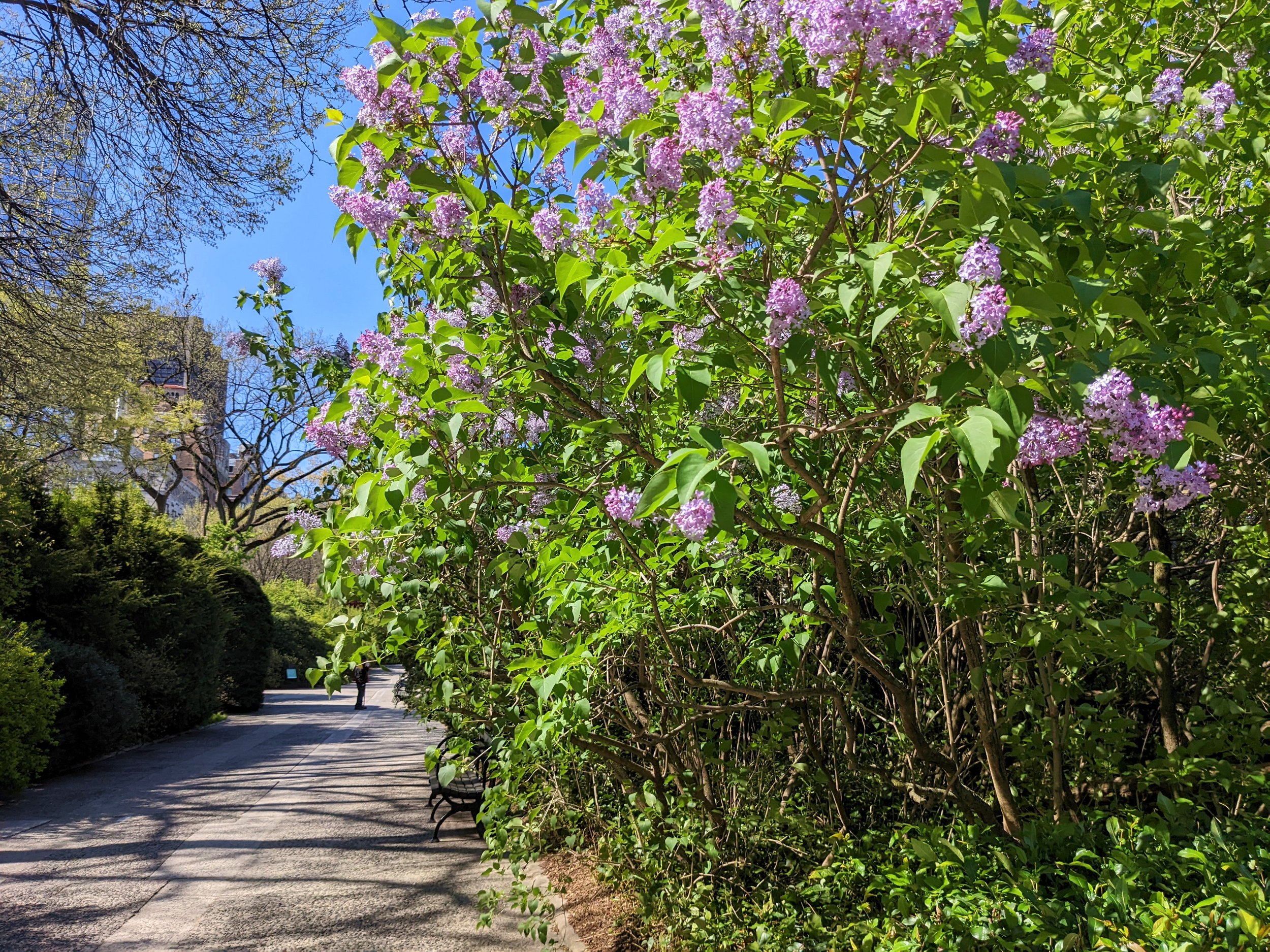
Central Park is usually known for its wide lawns, winding trails, and beautiful lakes. Few people know that the northeast corner of the park is home to six-acres of formal, European-style gardens. The Conservatory Gardens, named for the glass conservatory that was originally built on the site in 1899, are today a set of three immaculately kept gardens. The main gates on 5th Avenue open into the central Italian-style garden. A large, symmetrical parterre is framed at the far end by a wisteria-covered pergola and a simple fountain. The French garden to the north consists of rings of flowerbeds and a paved path surrounding a decorative fountain. The southern garden, designed in the English style, is currently closed for renovations. The gardens, which opened in 1937, were mostly neglected for decades, before the first major restoration took place in the 1980s. They are once again undergoing restoration, and soon the gardens will be accessible to all, and more beautiful than ever.
USCIS Plans to Expand Premium Processing Services
United States Citizenship and Immigration Services (“USCIS”) plans to “increase efficiency and reduce burdens to the overall legal immigration system” in order to reduce their extensive adjudication backlogs and increased processing times, by expanding the premium processing service to include additional form types.
Read moreHumanitarian Efforts Initiated to Aid in the Resettlement of Ukrainian Refugees
Following the Biden Administration’s recent announcement to welcome up to 100,000 Ukrainians and others fleeing the war-torn country, the Department of Homeland Security (“DHS”) introduced the Uniting for Ukraine program. The new program which became effective April 25, 2022, provides a streamlined process for displaced Ukrainian citizens to apply for humanitarian parole in the US, allowing them to live and work in the US for up to two years.
Read moreActual Dignity and Compassion

US Embassy in London
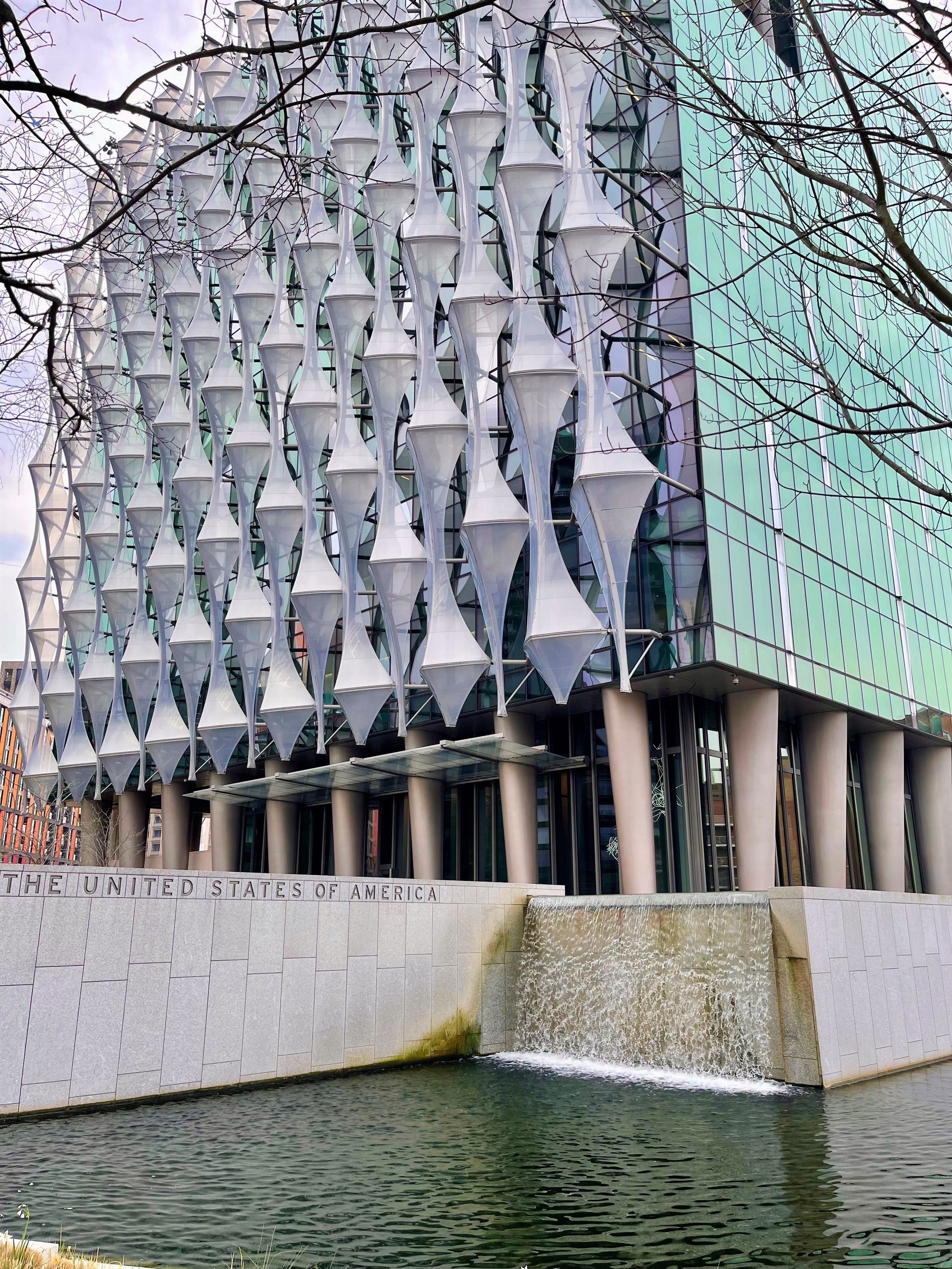
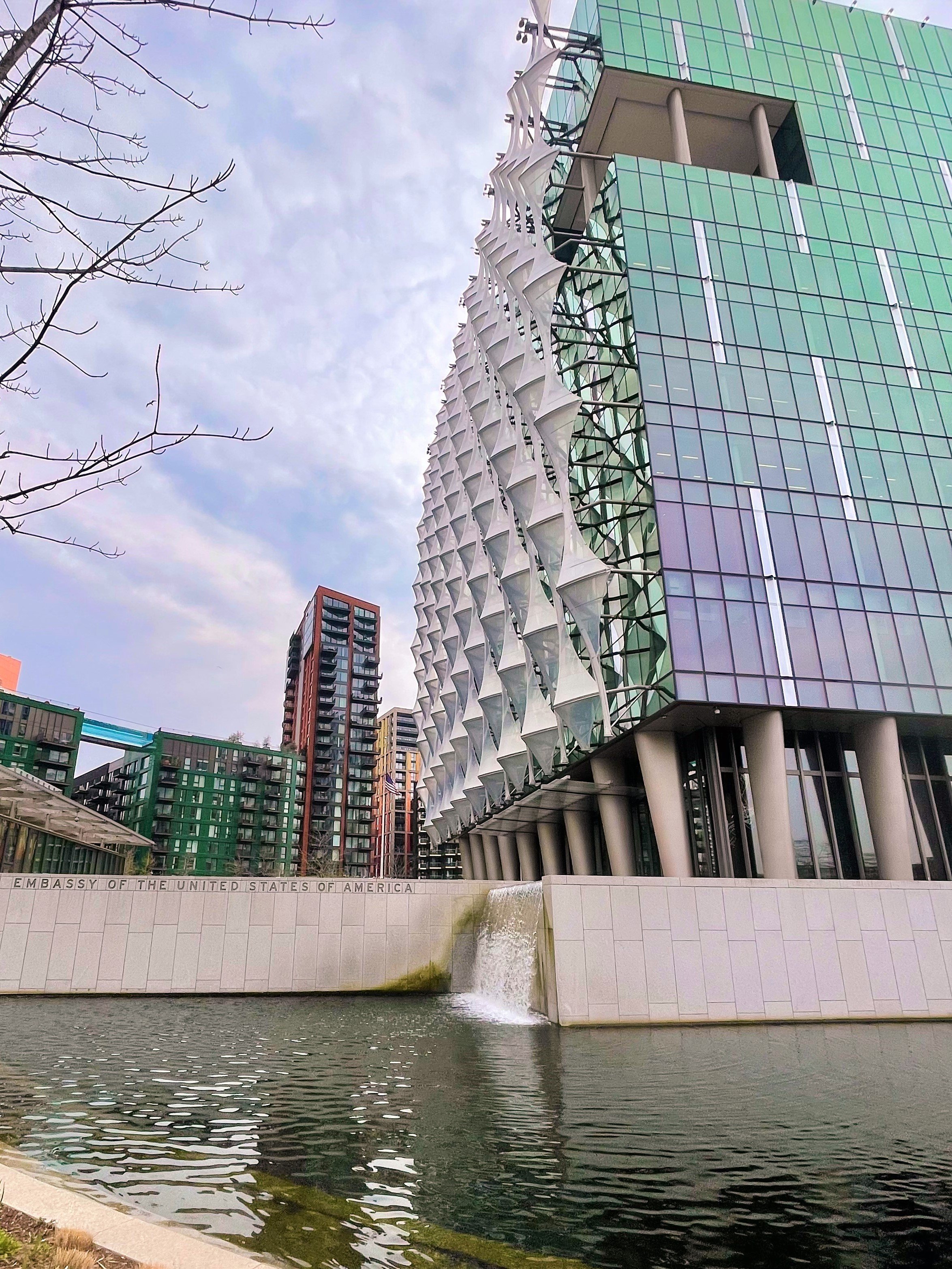
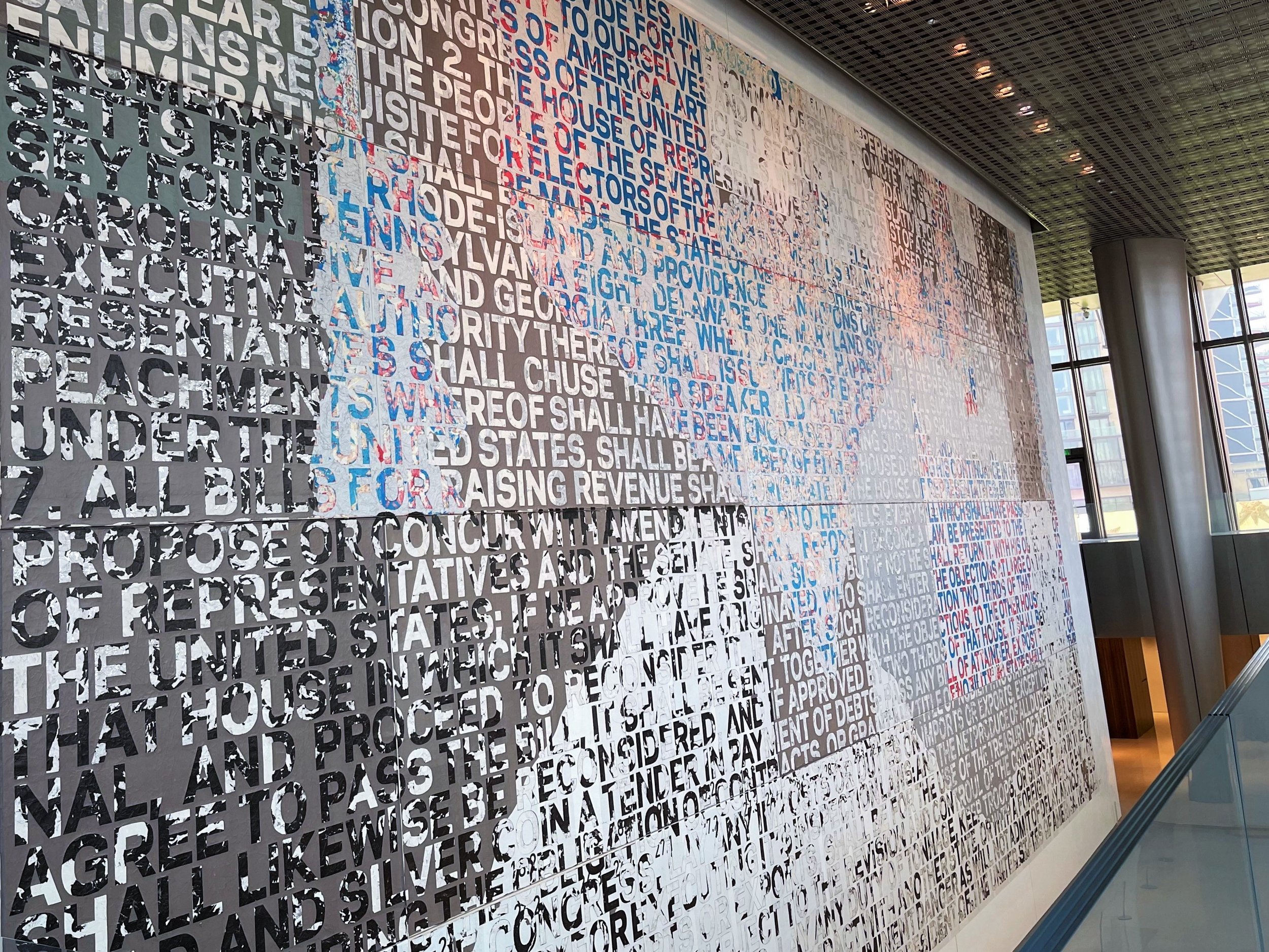
The US Embassy building in London is a remarkable landmark, with a design that combines utility, security, and sustainability with a striking appearance, inside and out. Opened in 2017, the building is relatively new. The design, by Philadelphia-based architecture firm Kieran Timberlake, is meant to evoke some of the foundational ideals of American government – transparency, openness, and equality. The building’s simple cube shape maximizes useable space in a high-traffic embassy, and the façade made of transparent, high-performance plastic catches the sunlight in an appealing and useful way, directing the natural light throughout the interior of the building. The outside of the building also boasts a landscaped pond that serves double duty as an attractive aesthetic feature and a rainwater retention system, reducing strain on the municipal water system and pollution of the nearby Thames River by repurposing collected water for irrigation and mechanical systems. The inside of the building is equally well designed, featuring indoor gardens and countless works of art, including an enormous mural created with the words in the US Constitution.
