Just weeks after announcing new travel policies and lifting previous extensive COVID-19 travel restrictions, President Biden signed an Executive Order banning most travelers from eight countries in southern Africa in response to the ongoing national emergency caused by the newly emergent Omicron variant of the COVID-19 virus to “protect public health.” Effective November 29, 2021, noncitizens of the United States who were physically present within “the Republic of Botswana, the Kingdom of Eswatini, the Kingdom of Lesotho, the Republic of Malawi, the Republic of Mozambique, the Republic of Namibia, the Republic of South Africa, and the Republic of Zimbabwe during the 14-day period preceding their entry or attempted entry into the United States” are not eligible to be issued a U.S. visa or be admitted to the United States.
Read moreCOVID-19 Testing Requirements for International Travel
In response to the Omicron variant of COVID-19, the Centers for Disease Control (“CDC”) has amended its testing requirements for air passengers traveling to the US from international destinations. The vaccination requirements remain in place with the only change being when a person must be tested before they arrive in the US by plane.
Beginning December 6, 2021, all inbound international airline passengers, including US Citizens and Lawful Permanent Residents, ages two and older will be required to submit a negative COVID test taken within one day of travel to the United States, in order to board their flight.
Read moreSilicon Valley Doesn’t Exist Without Immigrants

World’s Largest Menorah
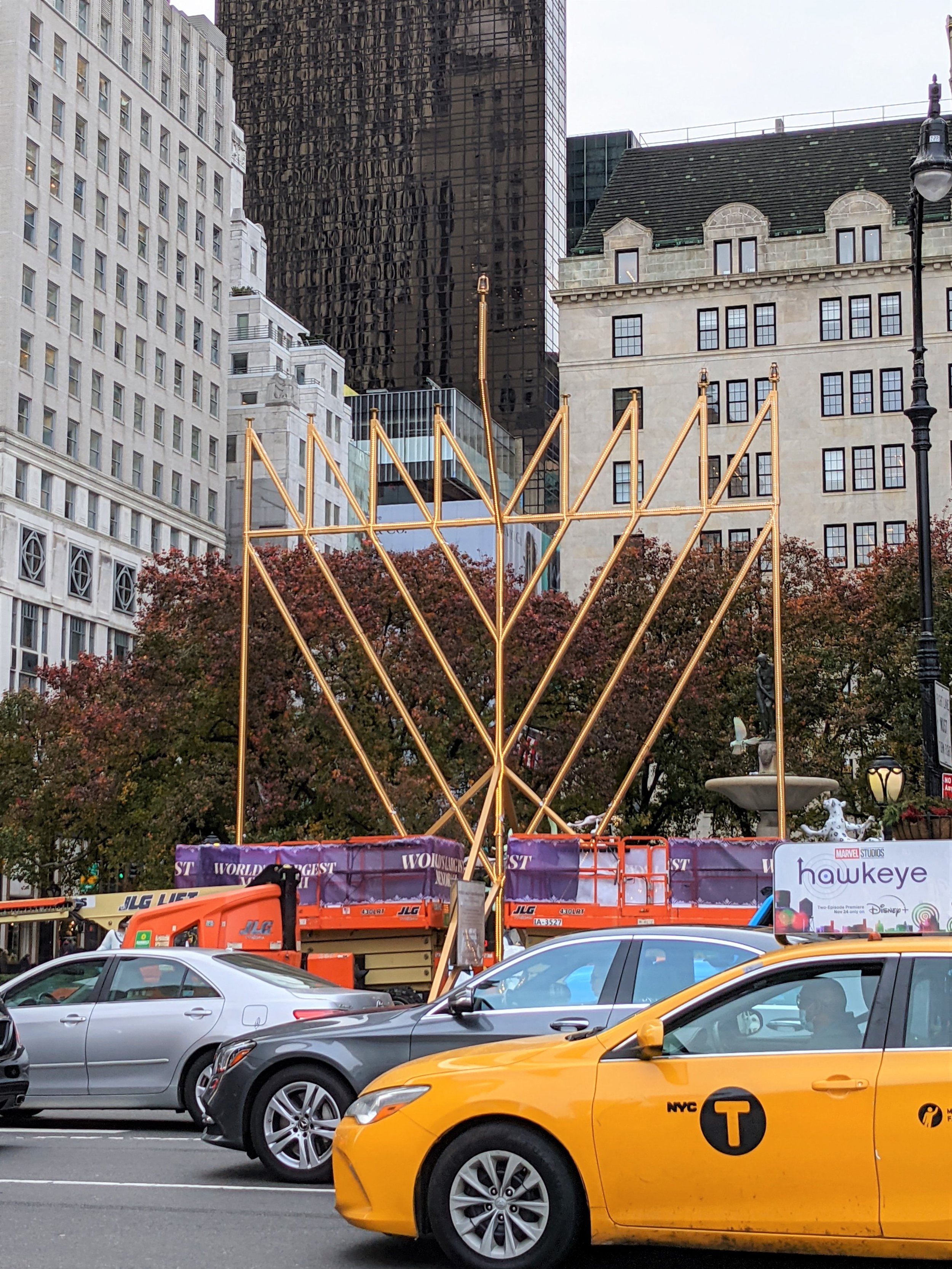
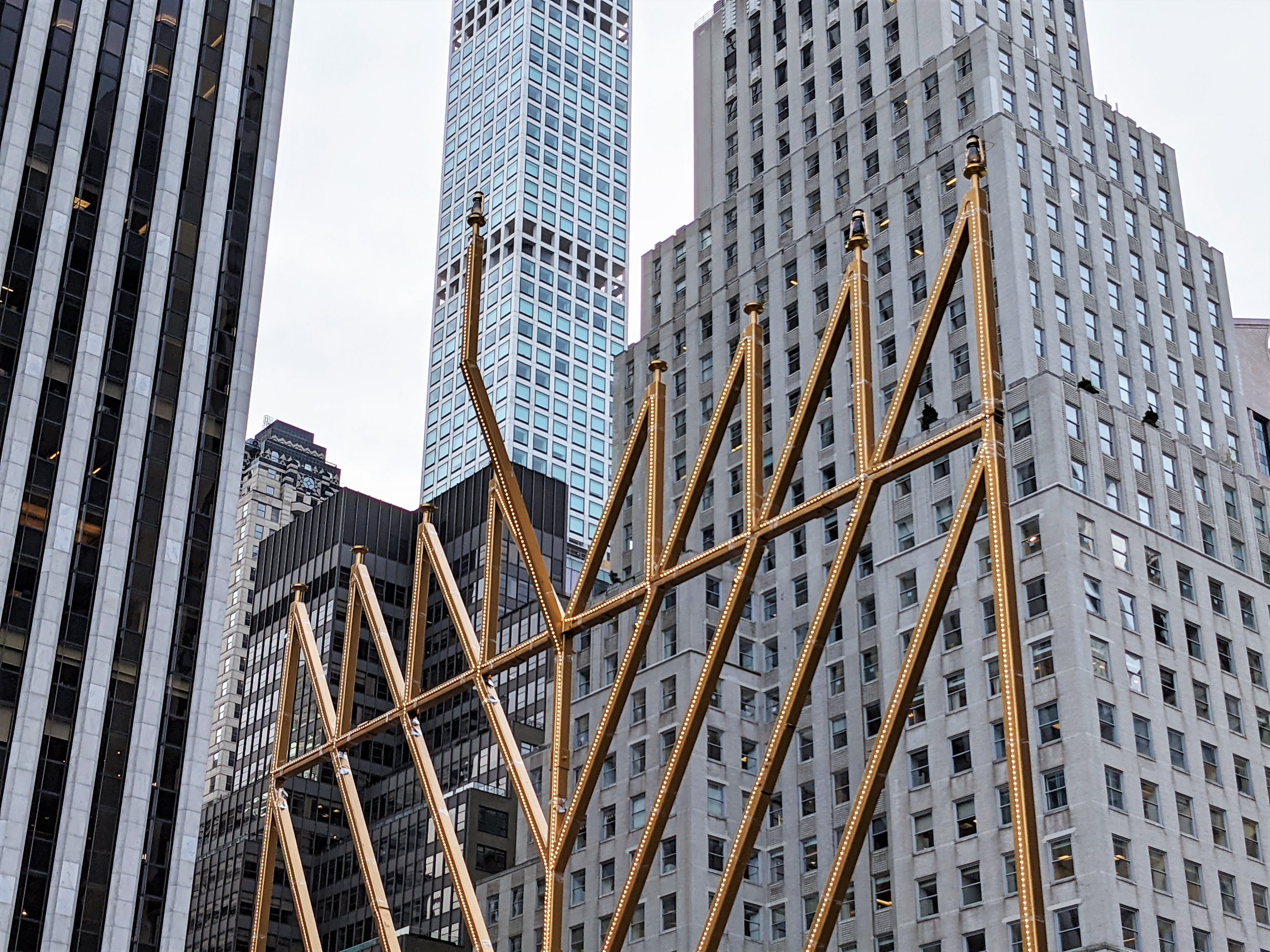
This week, people around the world are celebrating Hanukkah, the Jewish festival of lights, by lighting menorahs. Most menorahs are small enough to fit on a table or a windowsill, but New York City is home to two of the world’s largest menorahs! One is at the southeast corner of Central Park in Manhattan, and the other is in Park Slope, Brooklyn. Both menorahs are 32 feet tall, the maximum size allowed by Jewish law, so there has been a friendly rivalry between the two sites for decades. The Guinness Book of World Records gave the honor of the record to the Central Park menorah back in 2006, even though the Brooklyn menorah is actually a few inches taller. The lighting of the Central Park menorah on the first night of Hanukkah was celebrated with music, dancing, and a parade of cars driving up Sixth Avenue.
The Dead Have a Name

Bryant Park Winter Village

Here in the US, we are celebrating Thanksgiving! For many, this marks the start of the holiday season. In New York City, businesses and public parks are getting ready for the holidays. Every year, Bryant Park, adjacent to the New York Public Library in Midtown Manhattan, fills to the brim with festive shops. At the center of the park, visitors take advantage of the cold weather and go ice skating on the park’s rink. From friends skating circles around each other, to couples holding hands, and kids just learning to balance, the ice rink is a hit. The Winter Village is full of both tourists and native New Yorkers, all enjoying the frosty air and the excitement of the holiday season. It’s the perfect place to shop for unique and beautiful gifts for loved ones, or to simply sip hot chocolate and enjoy the festive atmosphere.
Thank You for Saying it’s My Home

The US Capitol in Washington DC

View of the Capitol building from Union Station
The United States Capitol building is one of the most recognizable structures in the country. Its broad wings extend to the north and south, and its tall white dome is one of its most notable features. The building, originally designed in the 1790s, was created as a symbol of democracy and freedom. Surrounded by vast green lawns and a series of monuments, memorials, and museums, the building is impressive even today. The city of Washington DC was built with the Capitol at its center. George Washington’s trusted city planner, the Frenchman Pierre Charles L’Enfant, designed the city with wide diagonal boulevards connecting important sites, many of them radiating out from Capitol Hill. This design allows the building’s distinct dome to be seen from great distances, including from the White House, the baseball stadium, several city parks, and Union Station, where many people arrive in the city.
USCIS Policy Update for Employment Authorization of H-4, L, and E Dependent Spouses
Shergill et al, v Mayorkas (21-cv-1296-RSM), a class action lawsuit, was filed by The American Immigration Lawyers Association (“AILA”) and its litigation partners Wasden Banias and Steven Brown, to address the extensive delays at United States Citizenship and Immigration Services (“USCIS”) in processing Employment Authorization Document (EAD) applications for dependent spouses of H-1B and L nonimmigrant visa holders. On November 10, 2021, AILA announced a settlement had been reached with the U.S. Department of Homeland Security (DHS) in the Shergill case, under which USCIS agreed to allow continued work authorization for certain H-4 and L-2 EAD applicants whose applications remained pending with USCIS. USCIS reversed its policy that prevented H-4 spouses “from benefiting from automatic extension of their employment authorization during the pendency of standalone employment authorization document (EAD) applications.” USCIS also agreed to implement policy guidance within 120 days to provide work authorization for L-2 spouses without requiring an EAD card.
Read more
Donec id justo non metus auctor commodo ut quis enim. Mauris fringilla dolor vel condimentum imperdiet.