USCIS Reaches H-1B Cap for FY 2017 (Which Starts October 1, 2016)

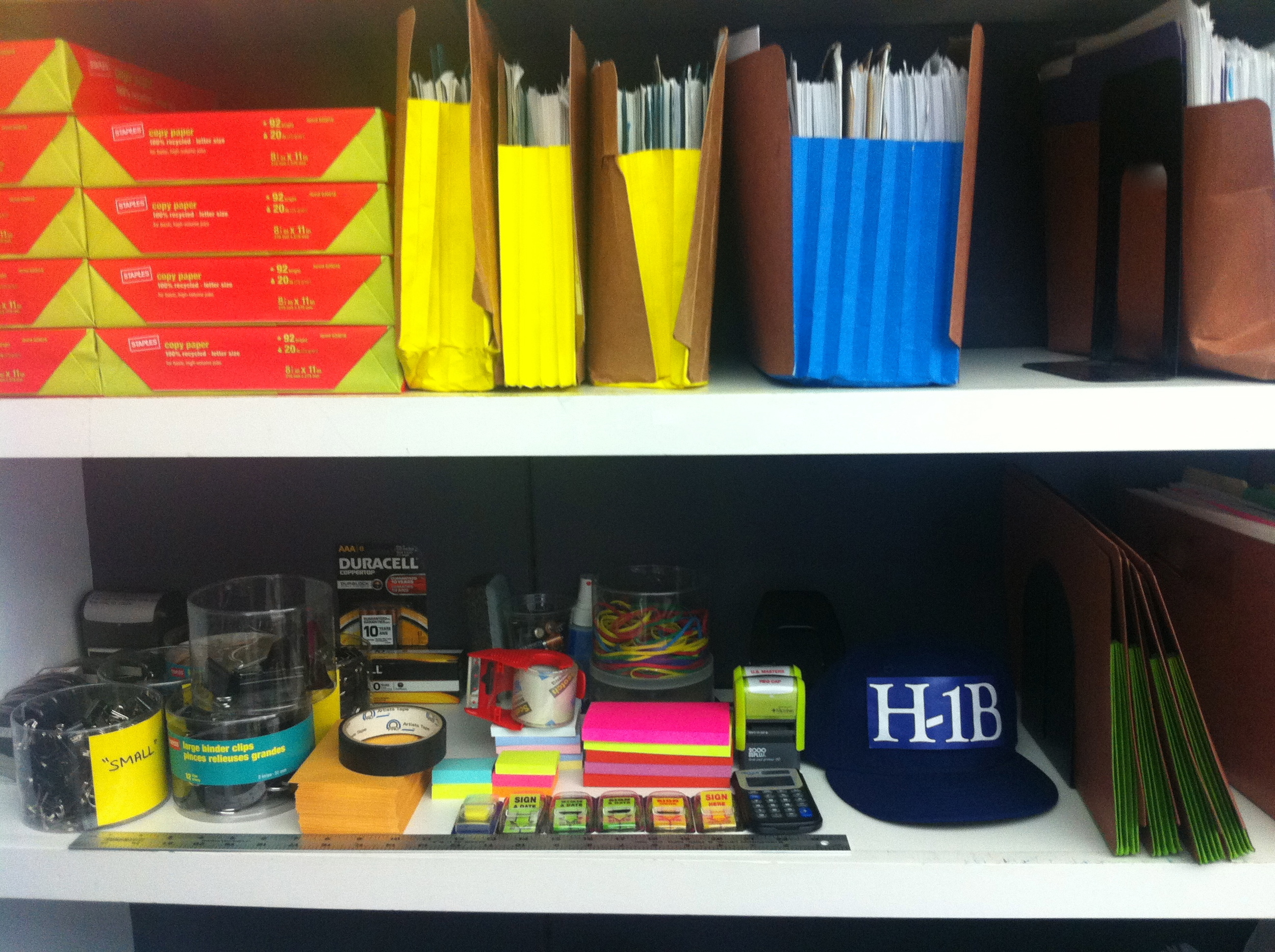
US Citizenship & Immigration Services (USCIS) announced today that it has reached the congressionally mandated H-1B cap numbers for fiscal year (FY) 2017, which starts October 1, 2016. Cap cases filed beginning April 1 this year are included in the FY 2017 count. USCIS states that they have also received more than the limit of 20,000 H-1B petitions filed under the US advanced degree (master’s) exemption. As in previous years, USCIS will use a random computer-generated process (i.e., the H-1B “lottery”) to select the 65,000 petitions for the general category and 20,000 for the advanced degree exemption.

After completing intake for all filings received during the filing period, which ran from April 1 through April 7, USCIS will first randomly select petitions for the advanced degree exemption. All unselected advanced degree petitions will become part of the lottery for the 65,000 general cap lottery. The date of the lottery is yet to be determined, and USCIS will reject and return filing fees for all unselected cap-subject petitions that are not duplicate filings.  

USCIS will continue to accept and process non-cap subject H-1B petitions, including extensions and petitions that have been counted in previous cap year numbers. Users can sign up for H-1B cap season email updates, if they wish, and we will also continue to provide updates as we receive them.

UPDATE APRIL 13, 2016: USCIS announced that they received over 236,000 H-1B cap-subject petitions during the filing period. On April 9, USCIS used the computer-generated random selection process (aka the "lottery") to select enough petitions to meet the 65,000 general-category cap and the 20,000 cap under the advanced degree exemption. USCIS will now reject and return all unselected petitions with their filing fees, unless the petition is found to be a duplicate filing. USCIS will begin premium processing for those H-1B cap cases that requested it no later than May 16, 2016.

Telegraph: “Your Smartphone Could Be Your Next Passport”

The modern smartphone is an amazing device. Apart from the magic of making phone calls, browsing the Internet, and sending emails and texts to your heart’s content, it can control your home thermostat, be used as a level, measure heart rates, and at some point in the near future, may act as a passport for international travel. De La Rue, a British company that prints banknotes and also produces passports, is currently developing technology to store passports within mobile phones, potentially allowing people the freedom to travel without hard copies of their passport. 

“Technology is at the forefront of De La Rue’s business, and as you would expect we are always looking at new innovations and technology solutions for our customers around the world,” a spokesman told the Telegraph. “Paperless passports are one of many initiatives that we are currently looking at, but at the moment it is a concept that is at the very early stages of development.”

The “paperless passports” could be stored on a smartphone and accessed by immigration officials similar to how readers can scan modern passports with readable chips. “Digital passports on your phone will require new hardware on the device in order to securely store the electronic passport so it cannot be copied from the phone,” David Jevans, who works for security company Proofpoint, told the Telegraph.  “It will also have to be communicated wirelessly to passport readers, because doing it onscreen like an airline ticket QR code can be copied or spoofed.” While the prospect of not having to worry about remembering your passport when traveling may be beneficial, the security challenges may be difficult to overcome, especially since phones are especially susceptible to being stolen and certain phones can reportedly be quickly unlocked.

Heading toward a paperless future, Australia has been the first country to make the first step with a trial run of “cloud passports.” The result of a hack-athon held by Australia’s Department of Foreign Affairs, which “culminated in an X-Factor style audition before the secretary Peter Varghese, Foreign Affairs Minister Julie Bishop, Assistant Minister Steve Ciobo and Chris Vein from the World Bank,” the “cloud passport” will store the traveler's identity and biometrics data in a cloud to be securely accessed, the details of which are still in development. As with a passport in a phone, critics point out the security concerns with sensitive personal and biographic information as well as travel information stored in an accessible cloud for every individual in the country. "We wouldn't do it if it were not able to be secure,” Foreign Affairs Minister Julie Bishop said in CNet. “We are just trialling new ideas and we are just in the early stages of discussion.”

Feature Shoot: “A Former Janitor Collects and Photographs the Items Seized from Immigrants and Thrown Away By U.S. Customs and Border Patrol”

While the surge in Central Americans crossing the US/Mexico border has led to increased attention to undocumented immigrants making this harrowing and dangerous journey, it can still be difficult to imagine the human side to these stories. Photographer Thomas Kiefer, however, who worked part-time as a janitor with US Customs and Border Patrol (CBP) in Ajo, Arizona, about forty miles from the US/Mexico border, has given us a way to visualize the plight of these migrants in his photo series titled El Sueno Americano. In his series, translated as The American Dream, Kiefer has photographed personal items and objects that CBP had taken away from undocumented immigrants when they were detained. Kiefer explains the idea behind his project:

Working as a janitor from July 2003 until August 2014 I was greatly disturbed by the volume of food, clothing and personal belongings thrown away at a single U.S. Customs and Border Patrol facility. For many of those years, I was allowed to collect and take the food transported by migrants, that was discarded during the first stages of processing, to our community food bank, an estimated sixty tons by the person who managed it. The personal effects and belongings were another matter: Why would someone throw away a rosary or bible? Why would someone throw away a wallet? Why would a pair of shoes, for all intents and purpose “brand new”, be tossed in the trash? The ideals upon which this country was founded seem to be under attack as never before, two hundred and thirty nine years since we declared ourselves a nation. “The beacon of hope”, fairness, democracy, equality, faith and grace seems more and more like a sales gimmick, limited to certain groups of people.

His photos include everything from belts, shoelaces, and gloves to calling-cards, birth control pills, and rosaries. It’s unsettling to see the volume of personal items slated for the trash and also impossible not to wonder about the lives attached to these items. Thomas Kiefer is represented by The Story INSTITUTE, where the full series of El Sueno Americano has been published.

My Immigration Story

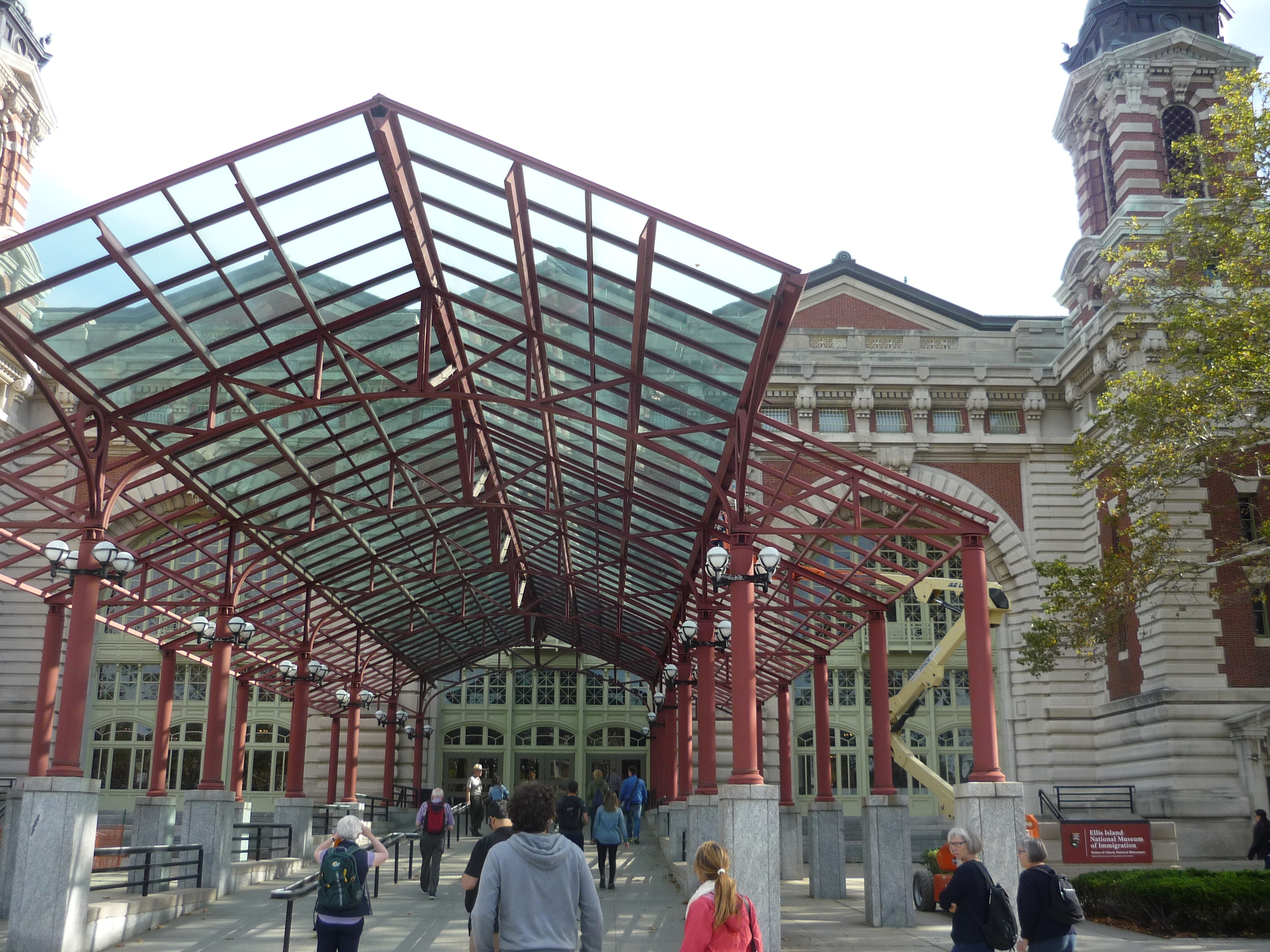
I’m an American Jew, the kind that bleeds first for the Constitution, the Knicks, rock ‘n’ roll, and Levi’s blue jeans, and second, for “the old country” as my father used to call it. I was born in Washington, D.C. and grew up in Northern Virginia and suburban Maryland, but I’ve always felt the breath of my ancestry on my neck. My immigration experience is second-hand, one borrowed from my parents and their parents before them and so on and so forth. From Exodus to exile to Ellis Island—that is my family’s Jewish experience.

Read more