

Although it’s one of the most iconic structures in London, for those who see it often the Tower of London can be easy to take for granted. Sure, when William the Conqueror built this stone tower at the center of his London fortress in the 1070s, defeated Londoners must have been impressed, as the site Historic Royal Palaces notes. But compared to the Gherkin and the Walkie-Talkie, is the Tower really that special? We were reminded of the beauty and history of this structure as we walked along the Thames one night this week. We especially like the stories of the ghosts that haunt the Tower. Anne Boleyn reportedly stalks Tower Green where she was executed. Arbella Stuart, the cousin of Elizabeth I, who starved while imprisoned for marrying without royal permission, reportedly appears at the Queen’s House. Two smaller ghosts are named the “Princes in the Tower,” and reportedly a huge ghost bear occasionally appears to frighten visitors to death. We’ll just stay on this side of the river, thank you very much.
Tower of London at Night
Can I Freelance on My Nonimmigrant Visa? Limitations and Opportunities in the US Immigration System
It is more and more common for people to want to structure their careers free from the ties of a standard employer/employee relationship. What used to be the standard nine-to-five job with the same employer is becoming less and less suited to the new ways that people work. For many people who work in the arts especially, working on projects for multiple employers is the best way to structure their work. However, doing myriad projects for multiple clients or employers can be challenging under the current immigration system and visa structures. While the US has a clear interest in protecting US workers and ensuring foreign nationals do not come to the US without actual work lined up, the immigration system fails to properly allow for the increasing trend of people working under a freelance model.
Read moreNY Times: “U.K.’s New Immigration Rules Will Restrict Low-Skilled Workers”
The UK government last week announced plans to block low-skilled workers in order to cut overall immigration from Europe and elsewhere. Under a new post-Brexit points-based immigration system starting January 2021, immigrants to the UK will have to meet certain criteria to qualify for a work visa, including having specific skills, the ability to speak English, and having a job offer with a minimum salary threshold of £25,600 (about $33,300), with only some exceptions.
Read morePragmatic, Compassionate

World Trade Center Mural Project
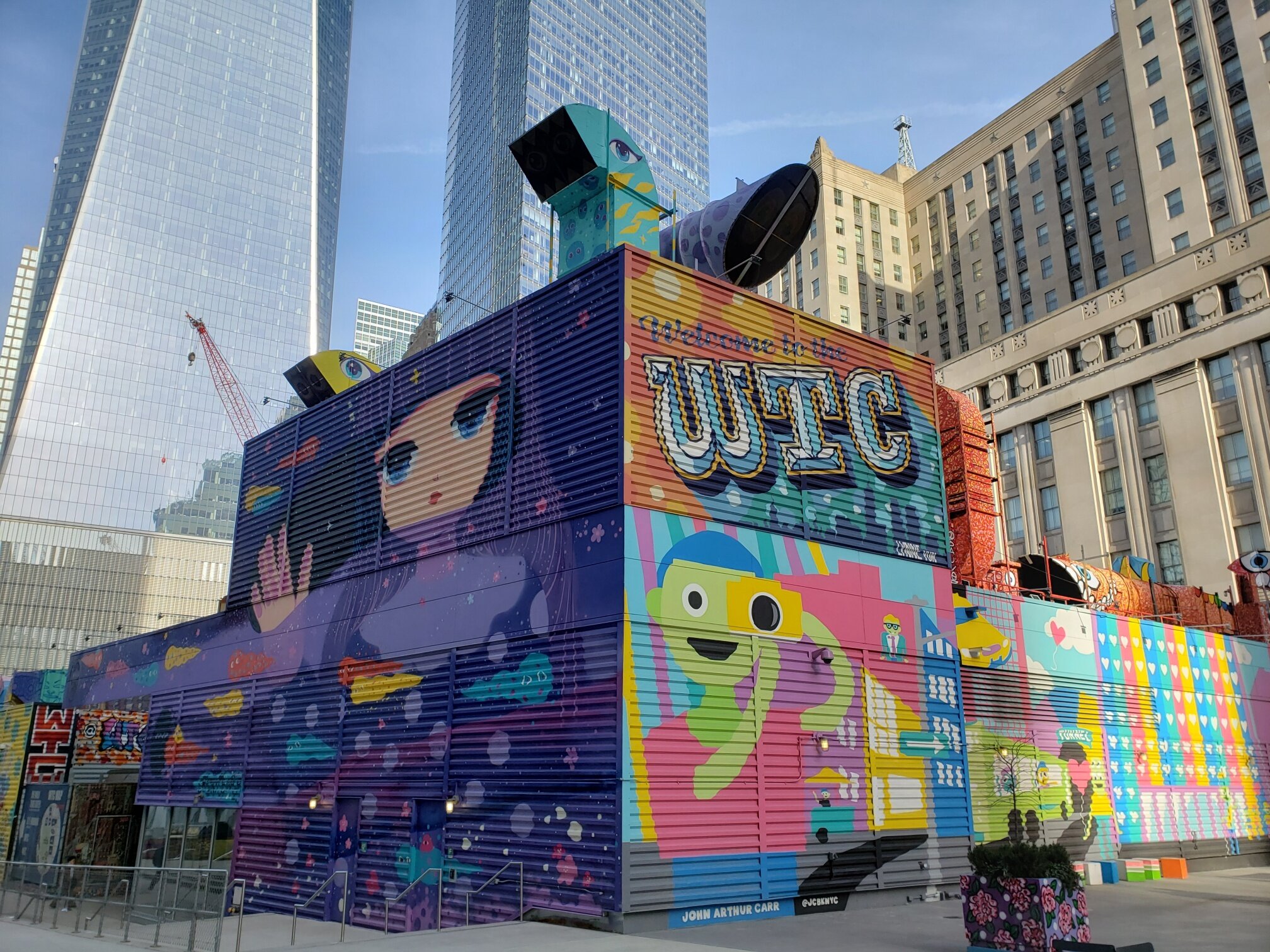
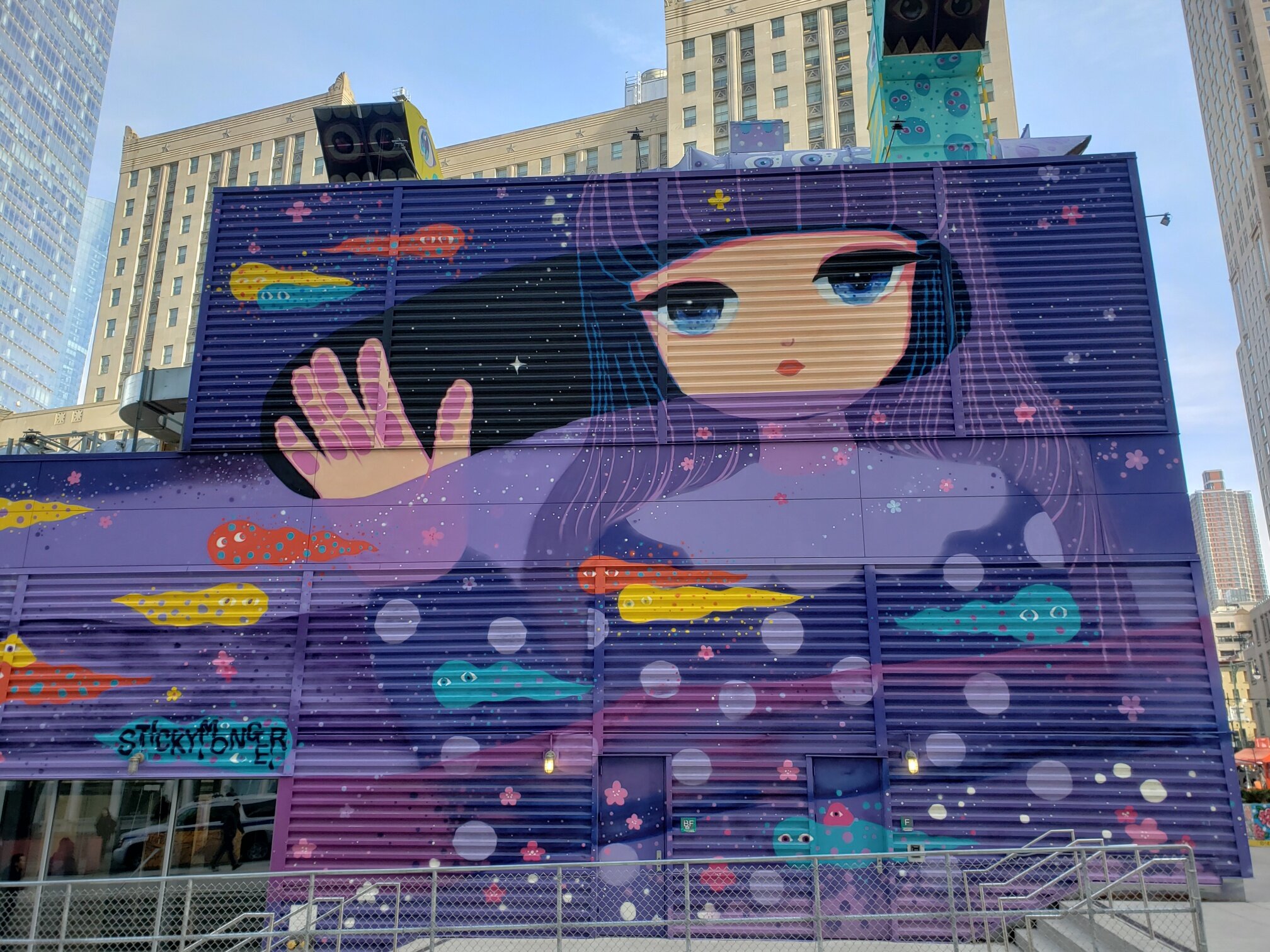
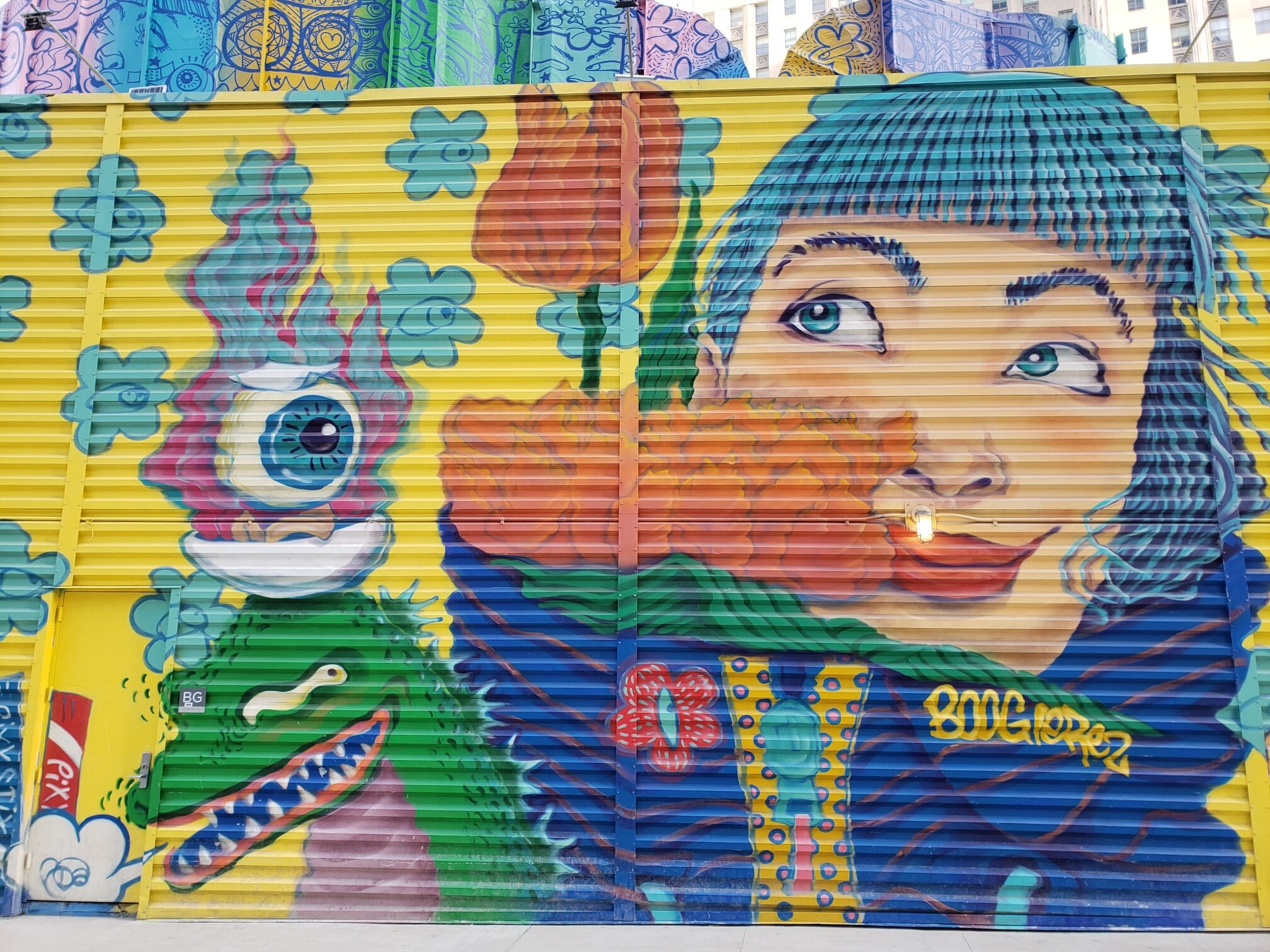
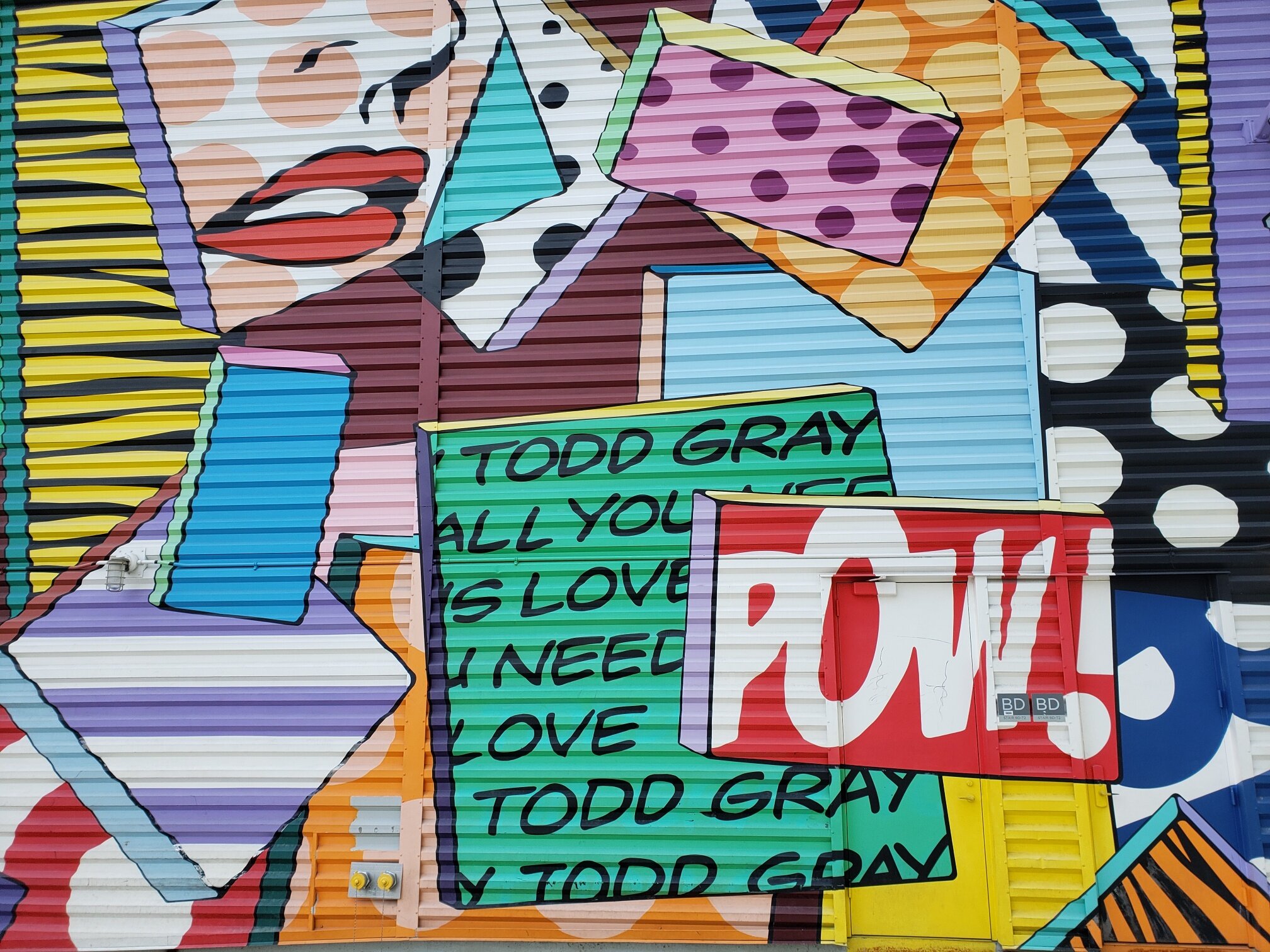
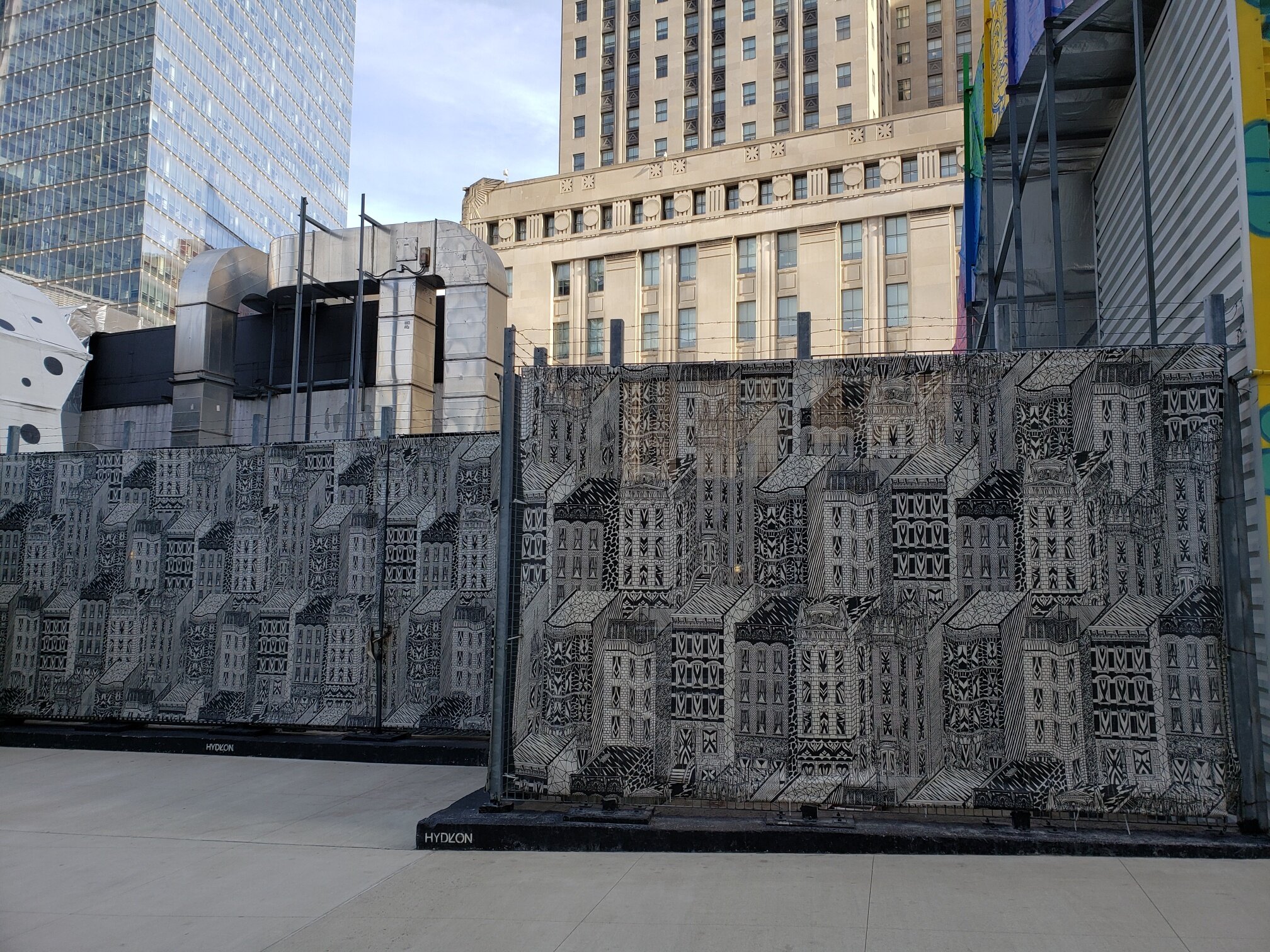
The World Trade Center “Mural Project” had its origins because of a collaboration between gallery owner Doug Smitch of the World Trade Gallery and Dara McQuillan of Silversten Properties. That collaboration, “Graffiti in the Sky,” featured sixty well-known street artists painting 34,000 square feet on the 69th floor of 4 World Trade Center, overlooking the 9/11 Memorial. After the success of this project, Silverstein Properties partnered with the Port Authority of New York and New Jersey to feature some of the same artists who have created large-scale murals on steel sheds at the future site of 2 World Trade Center next to the Oculus. We greatly enjoyed the infusion of color and artistry at this site, and the artists—including Joohee Park, known as Stickymonger—do a wonderful job of bringing to the site a message for a hopeful future.
The New Yorker: “How the Trump Administration Uses the 'Hidden Weapons' of Immigration Law”
Isaac Chotiner, a staff writer at The New Yorker, interviewed Aaron Reichlin-Melnick, the policy counsel at the American Immigration Council, about President Trump’s impact on American immigration policy, from travel bans to changing how asylum claims are made at the US-Mexico border. Reichlin-Melnick says that the Trump administration has had success in finding “the hidden weapons in existing immigration law” and using “them to the full extent, which no one had ever imagined would ever be done.”
In the interview, Reichlin-Melnick covers a variety of topics, including the international agreements that the Trump administration has made with Mexico, Guatemala, Honduras, and El Salvador, which have re-shaped who is arriving at the US-Mexico border; the travel bans, which are essentially nationality-based immigration restrictions; the child separations that are still ongoing; and, in particular, the “humanitarian catastrophe” happening at the U.S.-Mexico border because of the so-called “Migrant Protection Protocols” (MPP).
As Reichlin-Melnick explains, the MPP program is supposedly to increase access to court hearings but “what it is doing is forcing sixty-two thousand-plus asylum seekers to wait in appallingly dangerous conditions with no hope that they’ll ever have the opportunity to get a lawyer and virtually impossible chances of ever winning asylum, regardless of the strength of their claims.” Because of MPP, migrants have been subject to kidnapping and serious crimes like rape and torture. Reichlin-Melnick notes: “I often like to say the Trump Administration realized that Americans would rise up in anger when it saw our own government officials doing horrific things to people at the border, so what they did is they exported that—they outsourced the violence, and the crime, and the danger to the cartels in Mexico and let the cartels do the deterrence work that our agents were no longer able to do.”
Opportunity

Monument
Monument is an installation by Polish-born American artist Krzysztof Wodiczko at Madison Square Park. Wodiczko collaborated with twelve refugees who have fled war and instability in their home countries and have been resettled in the US. The installation features the filmed likenesses of these refugees projected onto the 1881 monument of Admiral David Glasgow Farragut, a Union naval Civil War hero. The artist chose the Farragut monument for this project to “compare how select individuals are lionized in wartime and others are overlooked.” With footage and audio from individuals from Africa, Central America, South Asia, and the Middle East, the bronze monument emerges as a “surrogate for refugees whose diverse plights, harrowing journeys, grueling fortitude, and quest for democracy have recently brought them to this country.” The twenty-five minute projection runs from 5pm to 8pm Monday to Saturday through May 10, 2020.
New York Times: “Trump Administration Freezes Global Entry Enrollment in New York Over Immigration Law”
The Department of Homeland Security (DHS) announced last week that New York residents can no longer apply for or re-enroll in Trusted Traveler programs including Global Entry, NEXUS, SENTRI, and FAST, because of the recently passed “Green Light Law” that allows undocumented immigrants in New York State to obtain driver’s licenses. Chad Wolf, the acting secretary of homeland security, said in a letter to the New York State government that DHS was taking this action since the “Green Light Law” prevents Immigration & Customs Enforcement (ICE) and Customs & Border Protection (CBP) from gaining access to the state’s DMV databases without a court order. “Although DHS. would prefer to continue our longstanding cooperative relationship with New York on a variety of these critical homeland security initiatives,” Wolf wrote in the letter, “this act and the corresponding lack of security cooperation from the New York DMV requires DHS to take immediate action to ensure DHS’s efforts to protect the homeland are not compromised.”
In response, Governor Andrew M. Cuomo announced on February 7 New York State's intent to sue the federal government regarding this DHS decision. "Time and time again President Trump and his Washington enablers have gone out of their way to hurt New York and other blue states whenever they can as punishment for refusing to fall in line with their dangerous and divisive agenda," Governor Cuomo said. "The Department of Homeland Security's decision to ban New Yorkers from the Trusted Traveler Program is yet another example of this administration's disrespect of the rule of law, hyper-partisan politics and use of extortion. There is no rational basis for this politically motivated ban, and we are taking legal action to stop the federal government from inconveniencing New Yorkers to score political points.”