

US Citizenship & Immigration Services (USCIS) this week announced that the agency will cancel an administrative furlough of more than 13,000 employees that was scheduled to begin August 30. In a statement, USCIS said that they expect to be able to maintain operations through the end of fiscal year 2020 (on September 30), although Joseph Edlow, USCIS Deputy Director for Policy, noted that “averting this furlough comes at a severe operational cost that will increase backlogs and wait times across the board, with no guarantee we can avoid future furloughs.” He added: “A return to normal operating procedures requires congressional intervention to sustain the agency through fiscal year 2021.”
Read moreUSCIS Cancels Furlough of Nearly 70% of Workforce
2020

Flag Project at Rockefeller Center
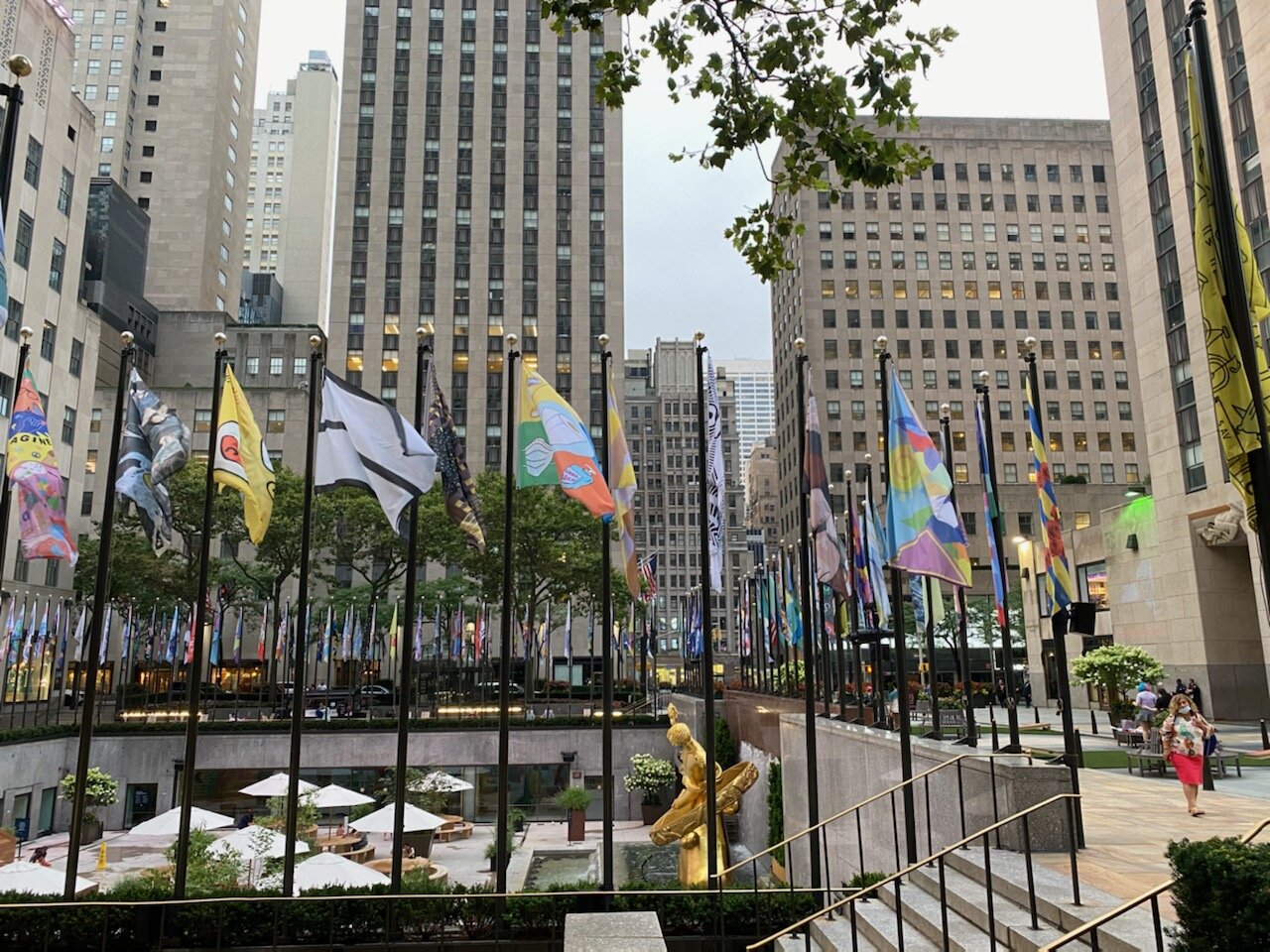
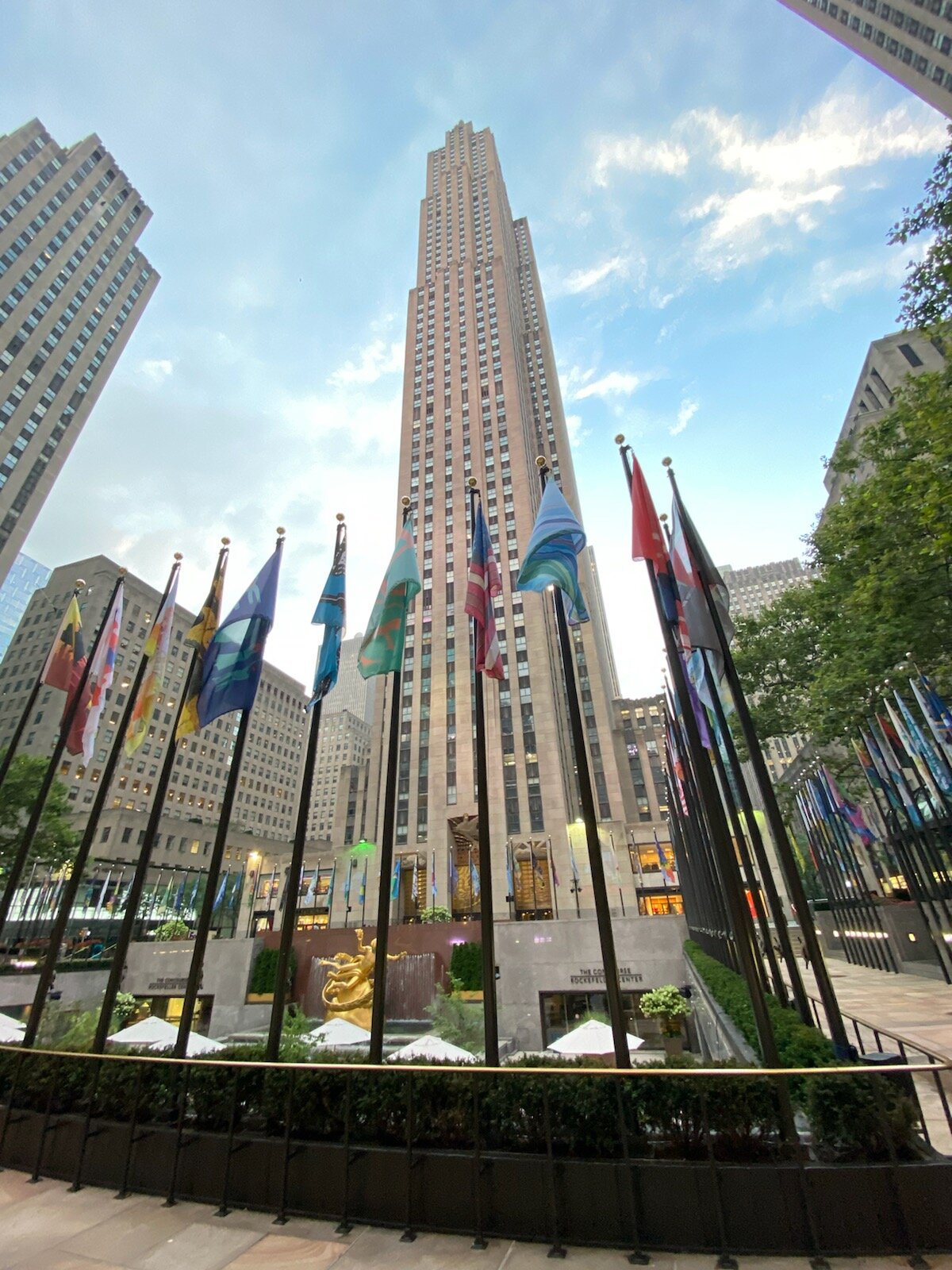
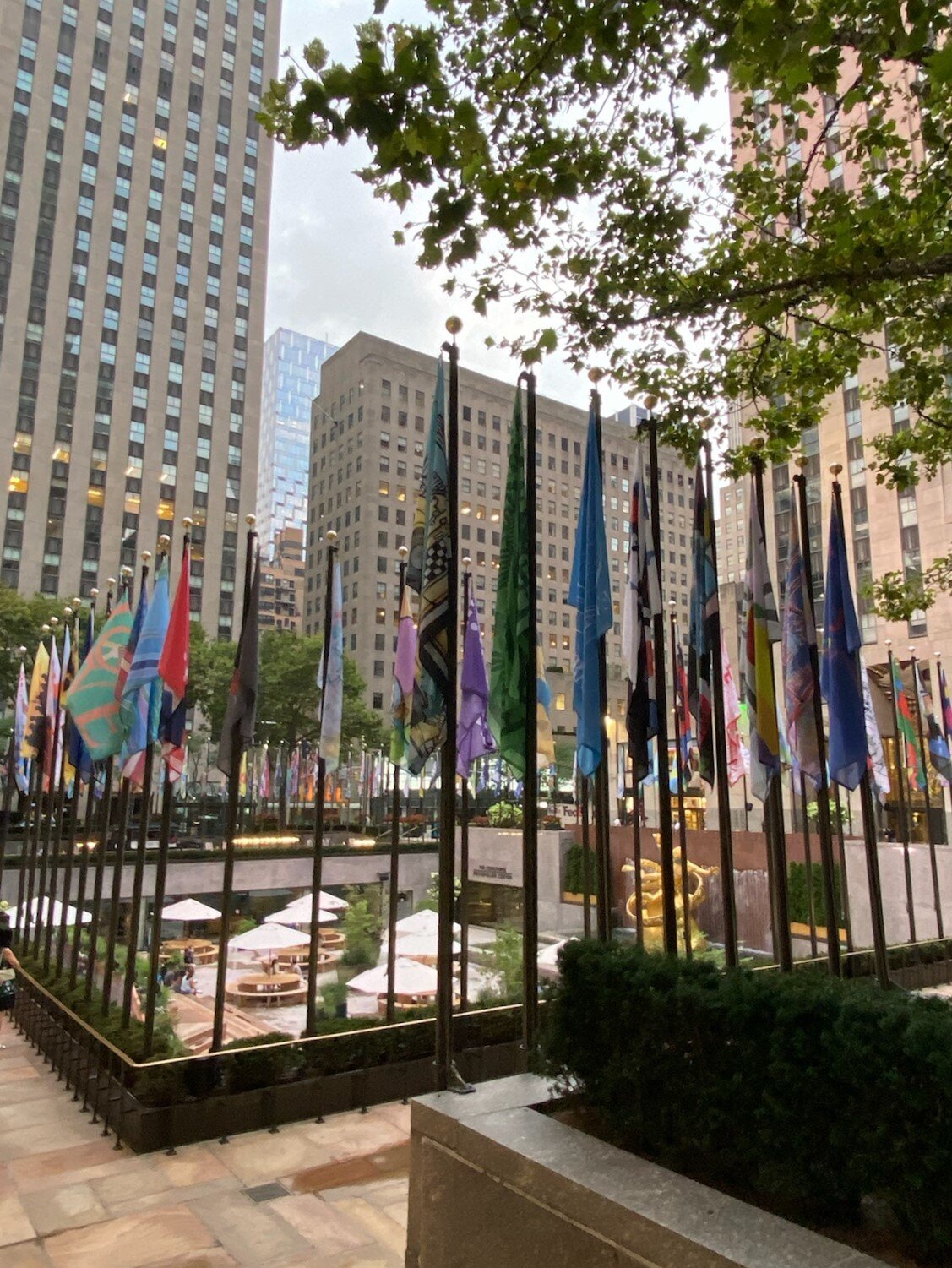
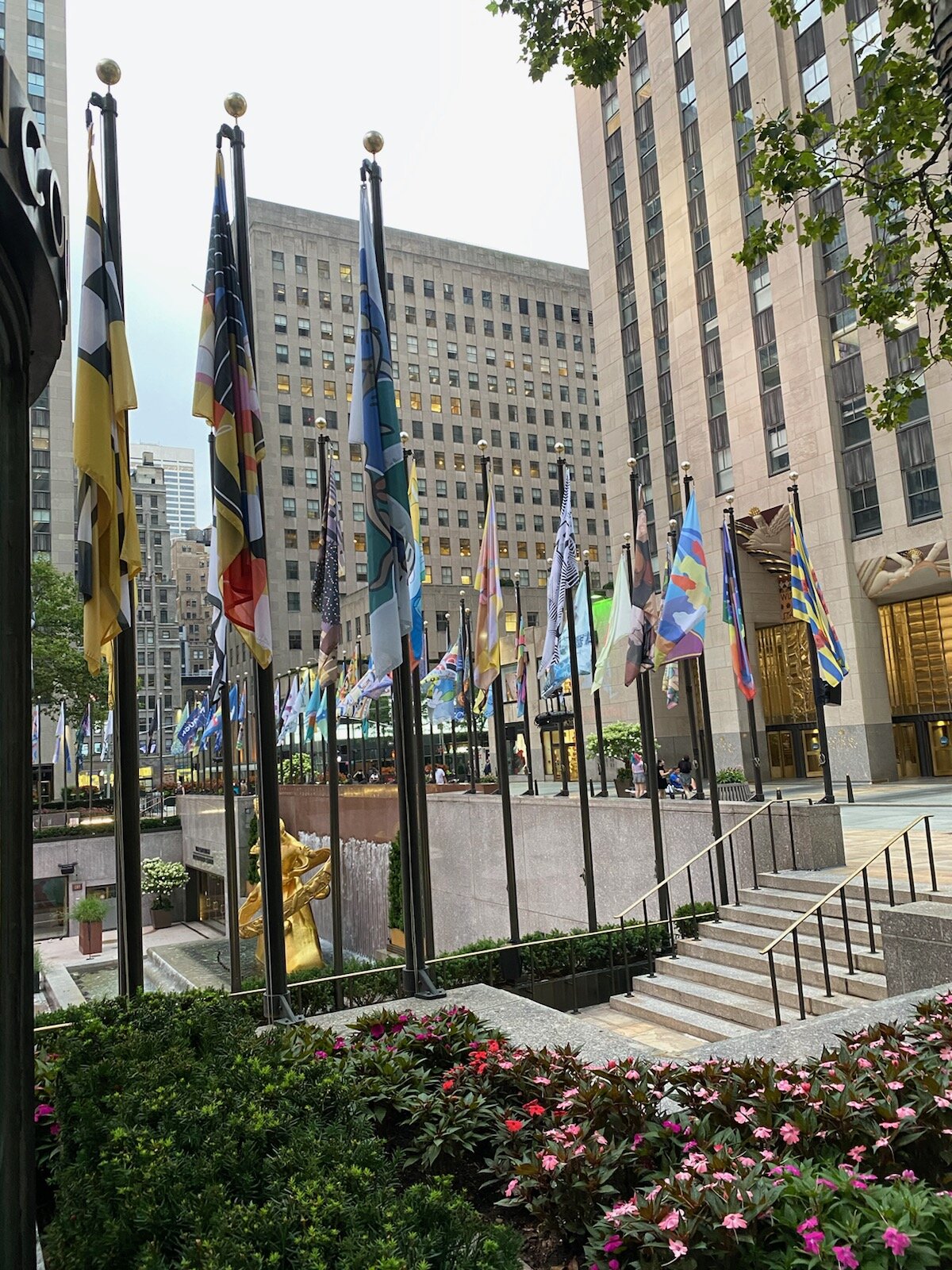
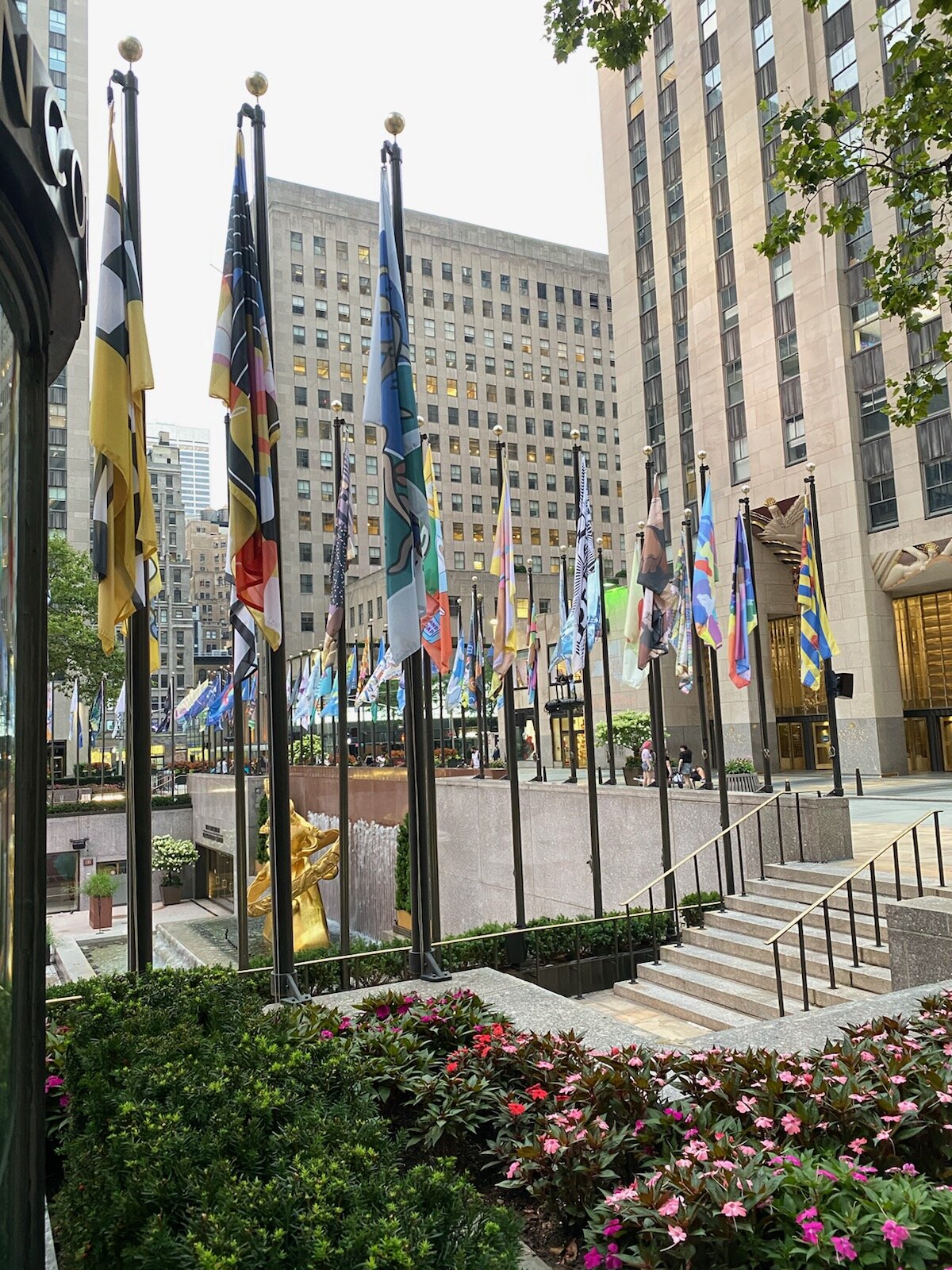
The Flag Project at Rockefeller Center features 193 flags flying from the Rock Center parade of poles, all “celebrating in some way the energy, diversity, culture, strength, and resilience of our city.” Artists including Jeff Koons, KAWS, Jenny Holzer, and Marina Abramovic contributed site-specific works for the show but most of the designs were created by the public after an open call for submissions. More than a thousand entries from all over the world were submitted. The flags will be displayed until August 16, so you may need to hurry. This is one time where you can actually walk through Rockefeller Center without having to fight your way through tourists and TV executives. Wait, we actually miss that. Sigh.
Immigration Nation
The six-part Netflix docuseries Immigration Nation, which the Trump administration tried to block the release of until after the election, offers an in-depth look into the inner workings of US immigration agencies under the Trump administration. The series focuses on Immigration and Customs Enforcement (ICE), the federal agency that increased arrests of immigrants by forty-two percent in the first eight months of the Trump presidency. Filmmakers Shaul Schwarz and Christina Clusiau were granted rare access to ICE agents working in New York City, Charlotte, North Carolina, and on the border outside Tucson, Arizona as well as inside detention facilities. The show follows immigration officers, supervisors, administrators, and judges as well as immigrants, including one elderly asylum-seeker detained for fleeing gang violence, a former cop from El Salvador who fled to America, and war veterans who have been deported, as well as parents separated from their underage children. After viewing the series, Sonia Saraiya writes in Vanity Fair: “There still exists the idea of America as a nation that welcomes all—and then there is the country we actually live in, where we send refugees back to near-certain death at the hands of vicious gangs. It seems we’ve gotten so busy punishing people for wanting to be here that we’ve forgotten to be a country worth immigrating to.”
USCIS Adjusts Fees Effective October 2, 2020
The Department of Homeland Security (DHS) announced a final rule that adjusts US Citizenship & Immigration Services (USCIS) fees by a weighted average increase of twenty percent. The updated fees are effective October 2, 2020, and any application, petition, or request postmarked on or after this date must include payment of the new, correct fee. Since these fees fund nearly ninety-seven percent of USCIS’ budget, the agency claims the weighted increase is necessary to avoid a budget shortfall of an estimated $1 billion per year. “USCIS is required to examine incoming and outgoing expenditures and make adjustments based on that analysis,” Joseph Edlow, USCIS deputy director for policy, said. “These overdue adjustments in fees are necessary to efficiently and fairly administer our nation’s lawful immigration system, secure the homeland and protect Americans.”
Read morePresident Trump Signs Executive Order on Use of Foreign Workers by Federal Agencies
President Trump today signed an executive order meant to protect American workers and prevent US federal agencies from outsourcing jobs to foreign workers. The executive order directs federal agencies to conduct an internal audit to review contracts and hiring practices to assess any negative impact and effect of contractors’ use of temporary foreign labor or offshore work on US workers and to take corrective action as necessary. The executive order additionally directs the Secretaries of Labor and Homeland Security to take action, within forty-five days, to “protect United States workers from any adverse effects on wages and working conditions caused by the employment of H-1B visa holders at job sites (including third-party job sites), including measures to ensure that all employers of H-1B visa holders, including secondary employers, adhere to the requirements of section 212(n)(1) of the Immigration and Nationality Act (8 U.S.C. 1182(n)(1)).” The executive action was reportedly prompted by the announcement from the federally-owned Tennessee Valley Authority that it will lay off sixty-two information technology workers and outsource data and programming work. We will continue to provide updates and developments regarding this executive order as appropriate especially as it relates to the H-1B visa program.
CNN: “Judge blocks administration from implementing 'public charge' rule for immigrants during pandemic”
Last week, on July 29, 2020, Judge George Daniels of the US District Court for the Southern District of New York blocked the government from “enforcing, applying, implementing, or treating as effective,” the “public charge” rule during the COVID-19 pandemic. Separately, the court also blocked the government from implementing or taking any actions to enforce or apply the 2018 FAM Revisions, the DOS Interim Final Rule on Visa Ineligibility on Public Charge Grounds (84 FR 54996, 10/11/19), or the President’s October 4, 2019 Proclamation, “Suspension of Entry of Immigrants Who Will Financially Burden the United States Healthcare System in Order to Protect the Availability of Healthcare Benefits for Americans,” during the COVID-19 pandemic. These injunctions apply nationwide.
Read moreThe Immigrants

The Immigrants, a sculpture by artist Luis Sanguino, celebrates the “diversity of New York City and the immigrant experience.” Located downtown in Battery Park next to Castle Clinton, which served as a depot to welcome the growing number of immigrants to the US before processing was transferred to Ellis Island, the sculpture depicts an Eastern European Jew, a freed formerly enslaved African man, a priest, and a worker. Sanguino’s sculpture depicts the struggles that various peoples have faced as they came to America either through voluntary or forced migration.
Can I Travel to the US? COVID-19-Related Travel Restrictions and Issues
What a strange and unpredictable year this has been! As countries start to open up their borders to international travelers, the most common question we have been getting over the last few months has been, "Can I travel to the US?" Unfortunately the very lawyerly answer is: "It depends." It depends what country you are coming from. It depends if you have a visa and in what visa category you intend to travel to the US. It depends on whether you have a Green Card. It depends on whether you have a legal permanent resident or US citizen relative. It may even depend on what exactly you intend to do in the US. Below we will try to unravel some of these issues but in many cases there are no clear answers. One caveat: the information about travel to the US is changing on an almost daily basis, therefore more than ever before, if you intend to travel to the US, it is vitally important you check with an immigration lawyer for specific advice on your individual circumstances.
Read more