City ID Cards

During his campaign, New York City Mayor Bill de Blasio had a number of proposals and plans to help the City's immigrants. These included allowing undocumented New Yorkers access to driver's licenses, ending law enforcement cooperation with federal "Detainer Requests" for violations except in the case of violent and serious felonies, cutting red tape for immigrant domestic violence victims obtaining visas, and a City ID card for undocumented immigrants to make it easier to open a bank account and lease an apartment as well as to improve police relations. The mayor is actively pursing this last campaign pledge announcing last week that these cards "would help immigrant residents without legal status participate more fully in civic life." The mayor said moreover that "we will not force any of our residents to live their lives in the shadows.”

The New York Times is hosting a debate about whether a city should grant these types of ID cards. Kica Matos, director of immigrant rights and racial justice at the Center for Community Change, writes that a similar ID card in New Haven, Connecticut "greatly improved the relationship between the immigrant community and the police" and that also brought a "level of dignity. Immigrants now know they truly belong and are a part of New Haven." Steven A. Camarota, director of research at the Center for Immigration Studies, says the mayor by granting these ID cards is "willfully and explicitly trying to undermine federal immigration law. There is no difference between what the mayor is proposing than if he was helping people cheat on their federal income tax or violate any federal law."
Valentine's Day All Over the World

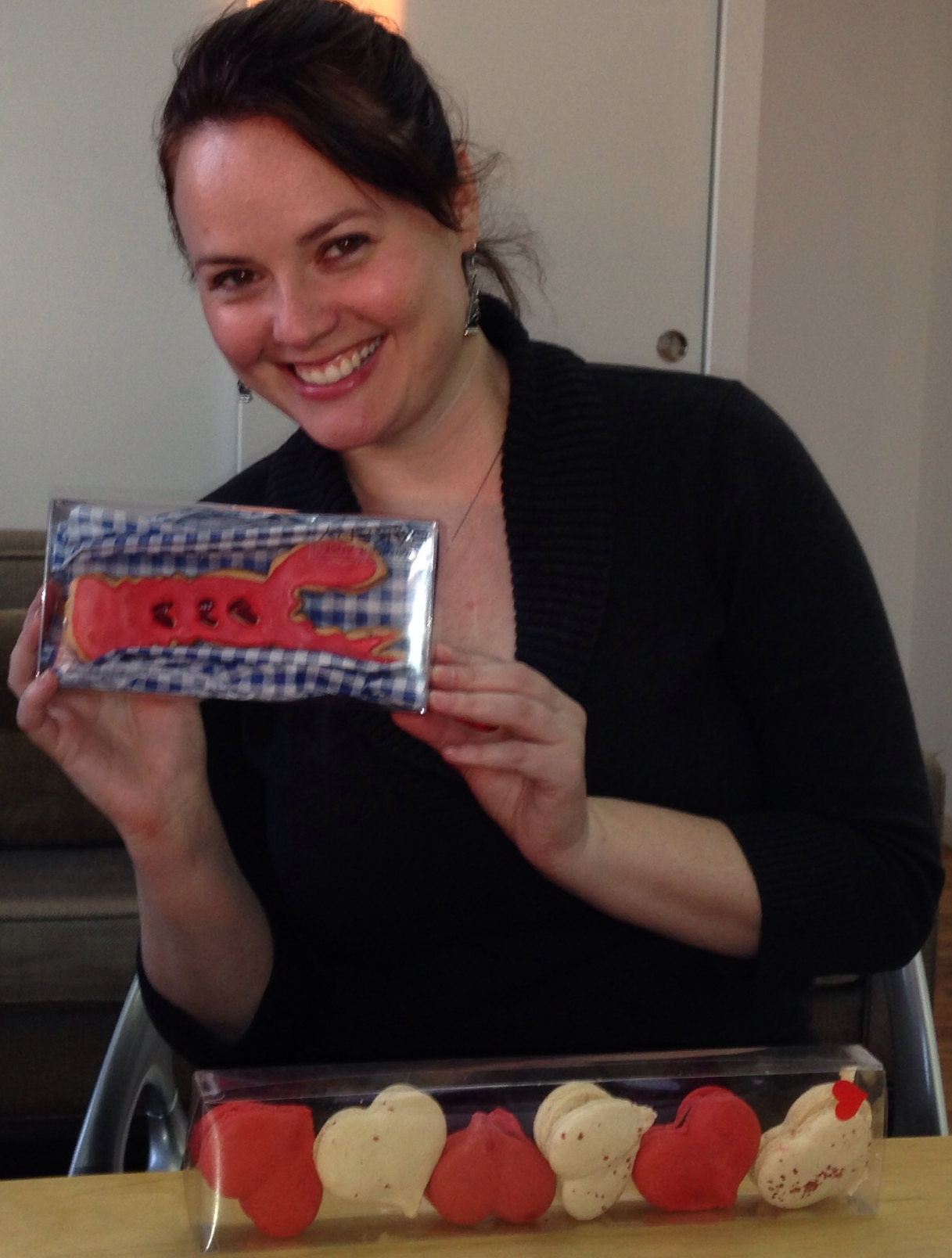
Here in New York City three couples were married at the Empire State Building. Elsewhere, Italians celebrated in St. Peter's Square with Pope Francis. The French, who "claim the Valentine’s Day card originated in France when Charles, Duke of Orleans, sent love letters to his wife while imprisoned in the Tower of London in 1415," go out to restaurants, apparently. The British, usually so bold and upfront, send Valentine's Day cards anonymously. In Saudi Arabia celebrating Valentine's Day is prohibited. In Estonia Valentine's Day is Friends Day. In Latvia nine couples went bungee jumping "nearly" naked. In Pakistan students fought. In Beijing men wearing pig masks carried their girlfriends on their backs in a race to be selected as finalists during a kissing contest. The winner got an iPhone 5S. Whatever you may be doing, happy Valentine's Day.

A Post-DOMA America: How Did We Get Here?

The June 2013 Supreme Court decision United States v. Windsor, overturning a key provision of the Defense of Marriage Act (DOMA), is of historic importance for same-sex married couples in the United States and is undoubtedly a major legal victory for the American LGBT rights movement. With Section 3 of DOMA struck down, we have seen rapid change in the legal treatment of married same-sex couples, including under immigration law. In this (somewhat academic and lawyerly) post I look at how DOMA came to be, examine the Windsor decision in detail, and consider its broader impact. In a separate future post my colleague Liz Brettschneider will answer some practical questions for couples whose immigration cases are affected by the Windsor decision.

Read more

Politico: "TSA Screener Confession"

Jason Edward Harrington, former Transportation Security Administration (TSA) screener and once anonymous author of the TSA-themed blog Taking Sense Away, writes a lengthy piece about his time with the TSA:

I hated it from the beginning. It was a job that had me patting down the crotches of children, the elderly and even infants as part of the post-9/11 airport security show. I confiscated jars of homemade apple butter on the pretense that they could pose threats to national security. I was even required to confiscate nail clippers from airline pilots—the implied logic being that pilots could use the nail clippers to hijack the very planes they were flying.

We learn of the agency's racial profiling, the ineffectiveness of the Rapiscan Systems full-body scanners (reviewing the scans turn into an "an unofficial break" time for officers), guyspeak, and various other unsettling secuirty lapses and issues that any frequent flier probably does not want to know.

The LA Times reports the TSA has responded saying that Harrington is either "lying or describing long-abandoned practices" and furthemore the TSA will not "pursue the allegations of misconduct that Harrington raised."

[via the Economist]

Visa Options and Special Considerations for Fashion Models

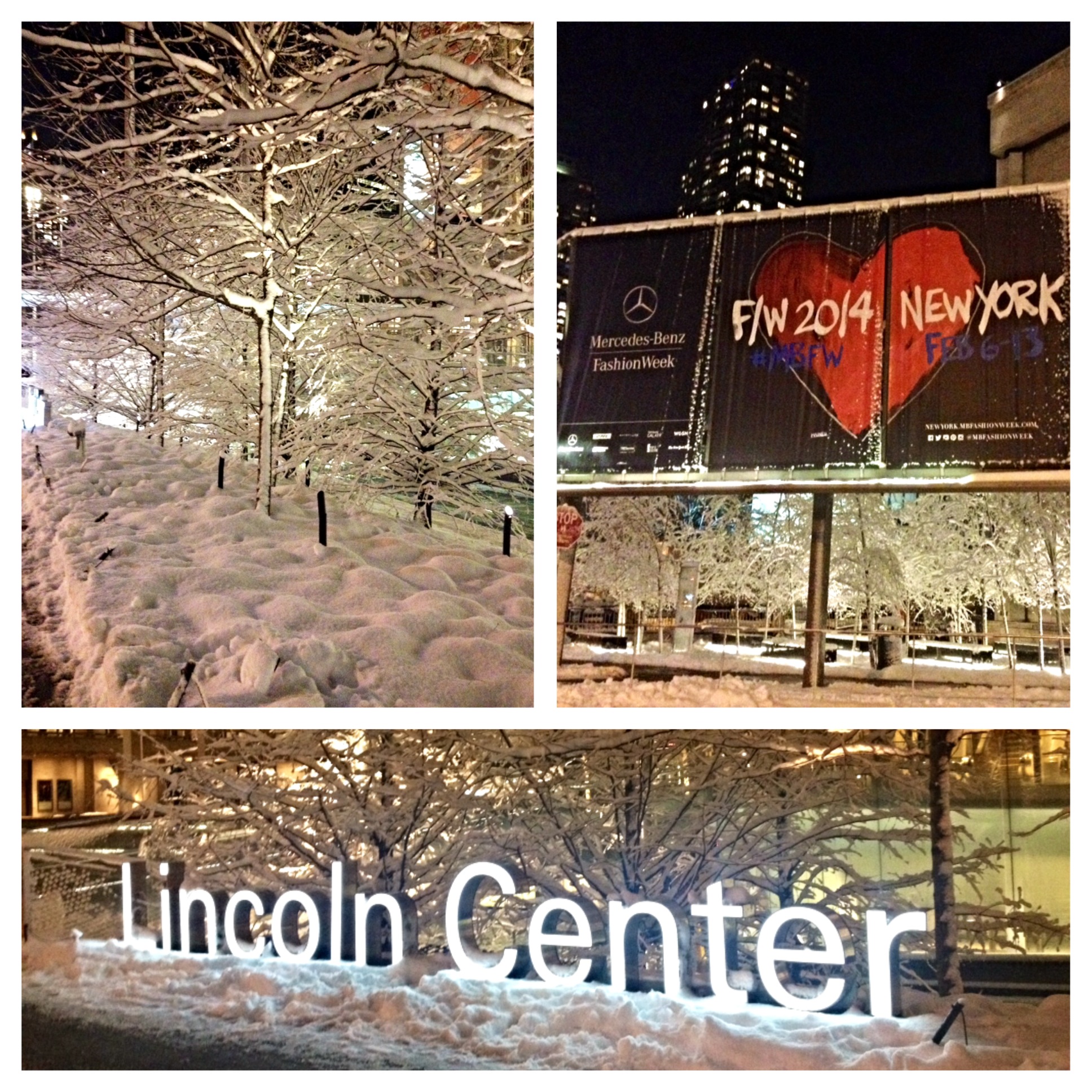
As one of the fashion capitals of the world, New York City attracts models from all over the globe. This is especially true at this time of year: Mercedes-Benz Fashion Week. In honor of this event (which began yesterday) we thought it’d be appropriate to discuss visa options for models (H-1B3 and O-1) as well as a few special topics specific to fashion models seeking to work in the US.

What is the H-1B3 and when is it appropriate?
The H-1B3 is a subcategory of H-1B visas specifically designated for fashion models. To be eligible for the H-1B3, models must demonstrate that they have achieved “distinguished merit and ability,” which is defined as “one who is prominent in the field of fashion modeling.” Such “prominence” can be proved in several ways, including evidence of the model’s work with renowned clients (i.e., tear sheets from magazines showing fashion and advertising shoots), reference letters from people who work in the fashion industry and can attest to the prominence and talent of the fashion model, press about the model, awards, and contracts, to name just a few. The goal is to demonstrate that the model possesses a “degree of skills and recognition” that is greater than that which is ordinarily encountered in the fashion modeling industry. Since it carries a lower evidentiary standard than the O-1, it is typically the better option for certain models. It should be noted, however, that both the H-1B3 and O-1 do require that the petition be sponsored by a US company, which in the field of modeling typically means an established US modeling agency that will be representing the model in the US.

Read more

NY Times: "Obama Hints He May Be Open to Immigration Deal With G.O.P."

New year, new deals. President Obama indicated in an CNN interview broadcast this morning that he "might accept an immigration deal that does not include a special pathway to citizenship for those in the country illegally." As reported in The New York Times:

'The question is, is there more that we can do in this legislation that gets both Democratic and Republican support,' he said, 'but solves these broader problems, including strengthening borders and making sure that we have a legal immigration system that works better than it currently does.'

Obama's interview comes off the release of a one-page memo titled "Standards for Immigration Reform" (via Politico here) that outlines the Republican House leadership plans. The memo recommends a path to legal status for undocumented immigrants, but not a special path to citizenship. A New York Times op-ed claims this "would effectively create a new stratum of society, a permanent second class of Americans." The Washington Post rounds up (mostly) favorable reactions by immigration reform groups to the memo.