
US Customs and Border Protection (CBP) and the Transportation Security Administration (TSA) published a notice in the Federal Register stating that effective September 14, 2020, flights carrying passengers who were recently present in China (excluding the Special Administrative Regions of Hong Kong and Macau), Iran, the twenty-six countries of the Schengen Area, the United Kingdom, Ireland, and Brazil will no longer be required to land at one of fifteen designated airports in order for passengers to undergo COVID-19 health screenings. This notice only relates to the cancellation of health screenings at designated US airports but does not lift or change the country-specific COVID-19 travel restrictions (which were issued January 31, 2020, February 29, 2020, March 11, 2020, March 14, 2020, and May 24, 2020) for the countries listed above, the immigrant visa travel ban (Presidential Proclamation 10014) or the nonimmigrant visa travel ban (Presidential Proclamation 10052). The American Immigration Lawyers Association (AILA) CBP Liaison Committee confirmed with CBP that the travel restrictions remain in place and those affected by the restrictions will still be required to obtain a National Interest Exemption (NIE) to travel to the US.
Read moreKenwood House

Outside London on the edge of Hampstead Heath surrounded by beautiful gardens sits Kenwood House. Originally constructed in the 17th century, the house served as a residence for the Mansfield family through the 18th and early 20th centuries and is now open and free to the public to visit and enjoy. Kenwood House has stunning interiors and a world-class art collection, including masterpieces by Rembrandt, Vermeer, Reynolds, Gainsborough, and Turner. Most importantly, the house served as a backdrop for a pivotal scene in Notting Hill. It’s also a good place to relax and enjoy the last few days of warm weather.
State Department Broadens National Interest Exceptions for H-1B, H-2B, L-1, and J-1 Applicants
The US Department of State (DOS) has issued guidance explaining additional ways for H-1B, H-2B, L-1, and J-1 visa applicants to overcome the travel restrictions detailed in President Trump’s June 22, 2020, presidential proclamation (PP 10052). This June 22 proclamation suspended the entry of foreign nationals into the US on H-1B, H-2B, L, and J visas until at least December 31, 2020, and also extended the suspension of entry to the US of most immigrant visa applicants through the end of the year. The DOS guidance, issued August 12, 2020, broadened the exceptions to the June 22 proclamation, but not everyone is pleased. Jesse Bless, American Immigration Lawyers Association’s (AILA) director of litigation, criticized the guidance in an interview in Forbes: “The guidance is an attempt to place new statutory requirements for these visas in violation of the Immigration and Nationality Act and, to the extent the law is ambiguous, without notice and comment to enact regulatory change.” He added: “Some may benefit, but it’s an unlawful attempt nonetheless.”
Read moreForbes: "Trump Immigration Policy Now Blocks World’s Most Highly Skilled"
Attorneys and foreign nationals are reporting that US consular officers in Europe are denying O-1 visas for individuals who “possesses extraordinary ability” or a “demonstrated record of extraordinary achievement” based on the March 11, 2020, presidential proclamation (PP 9993) that restricted travel to the US from the Schengen Area, which includes twenty-six European countries. This March 11 proclamation stated: “The entry into the United States, as immigrants or nonimmigrants, of all aliens who were physically present within the Schengen Area during the 14-day period preceding their entry or attempted entry into the United States is hereby suspended and limited.” (Other proclamations enacted similar travel restrictions for other countries including England, Scotland, Wales, Northern Ireland, and the Republic of Ireland, as well as Brazil.)
Read moreSummer Break and Labor Day Holiday 2020

USCIS Cancels Furlough of Nearly 70% of Workforce
US Citizenship & Immigration Services (USCIS) this week announced that the agency will cancel an administrative furlough of more than 13,000 employees that was scheduled to begin August 30. In a statement, USCIS said that they expect to be able to maintain operations through the end of fiscal year 2020 (on September 30), although Joseph Edlow, USCIS Deputy Director for Policy, noted that “averting this furlough comes at a severe operational cost that will increase backlogs and wait times across the board, with no guarantee we can avoid future furloughs.” He added: “A return to normal operating procedures requires congressional intervention to sustain the agency through fiscal year 2021.”
Read more2020

Flag Project at Rockefeller Center
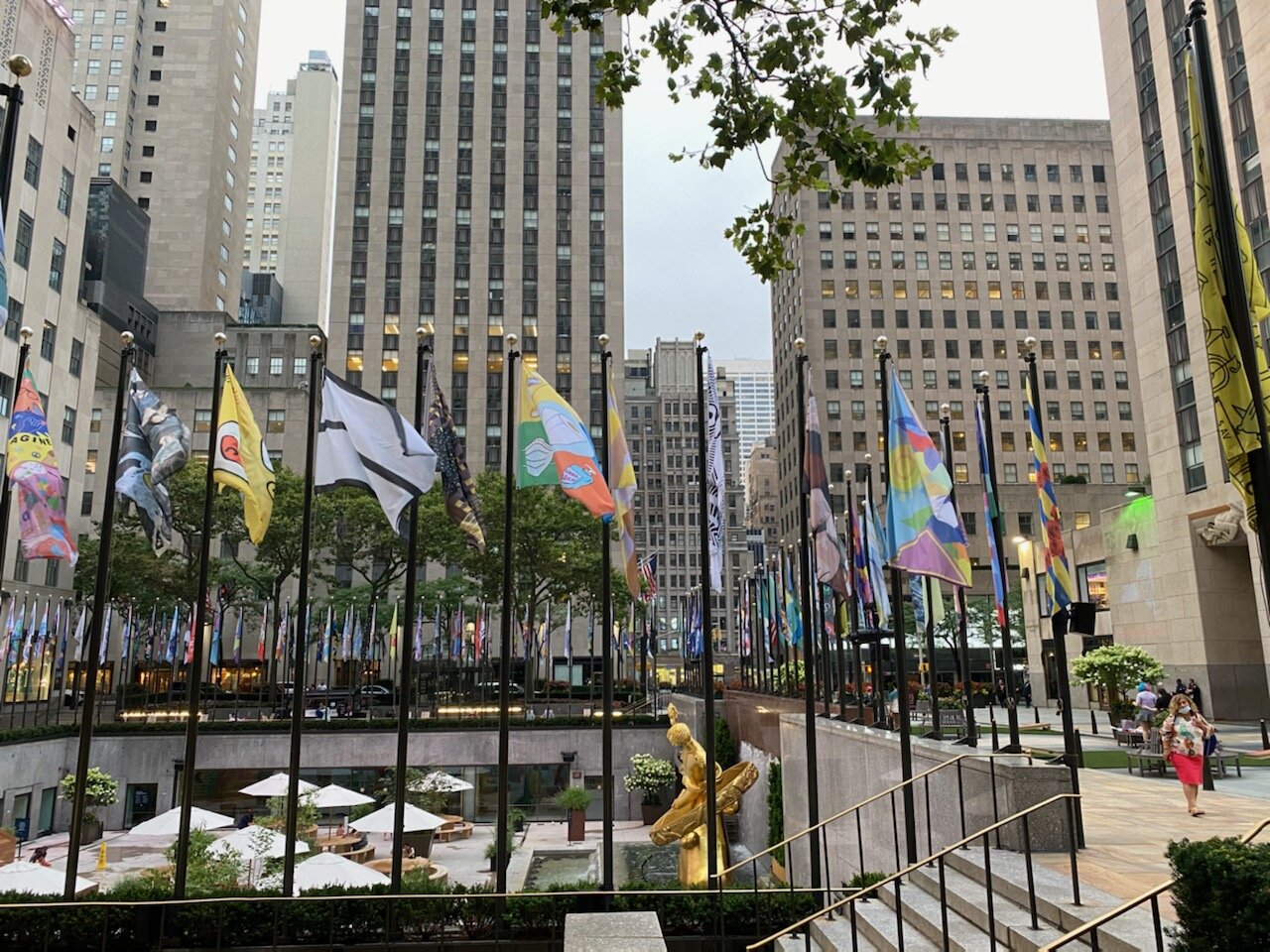
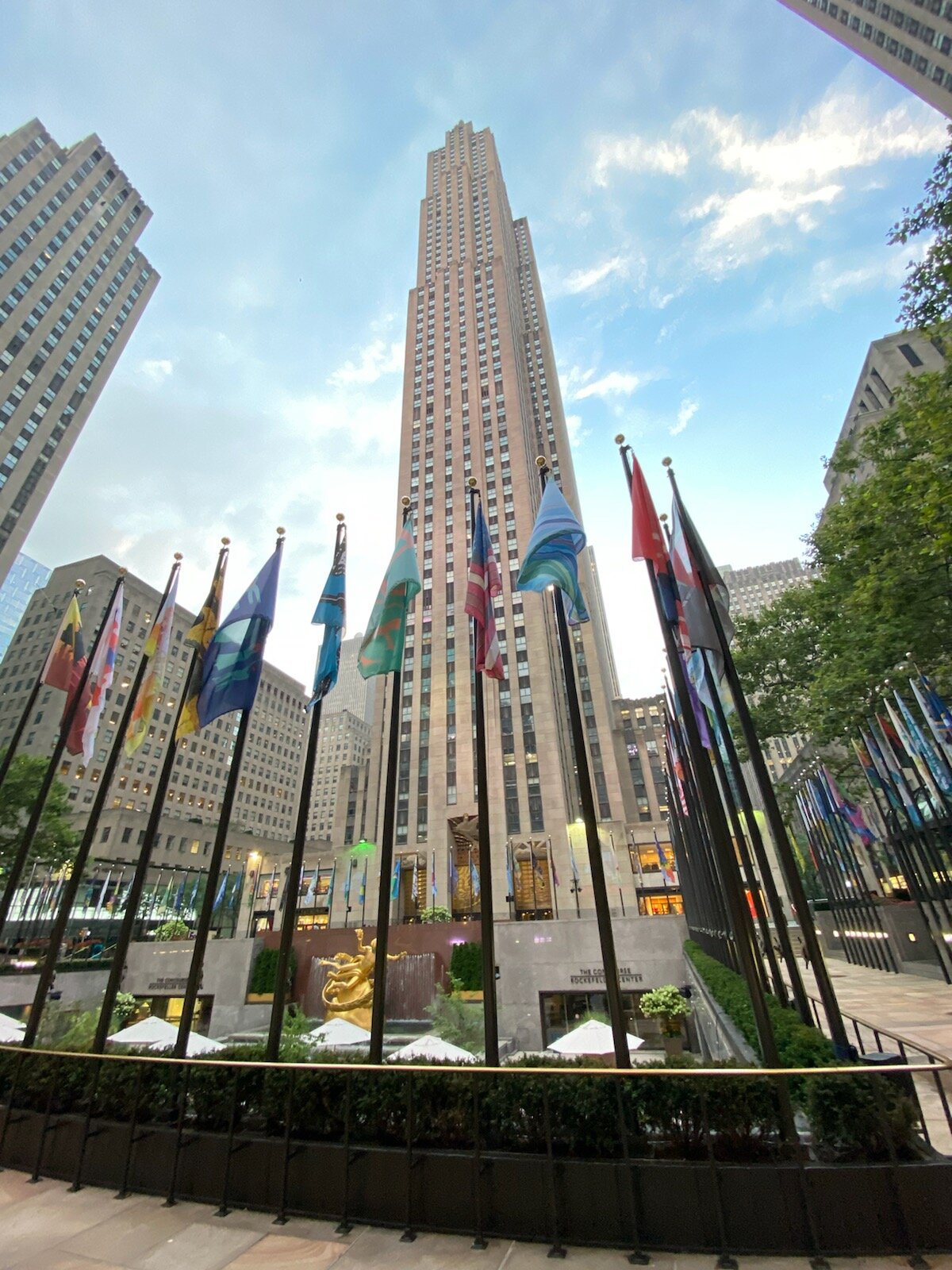
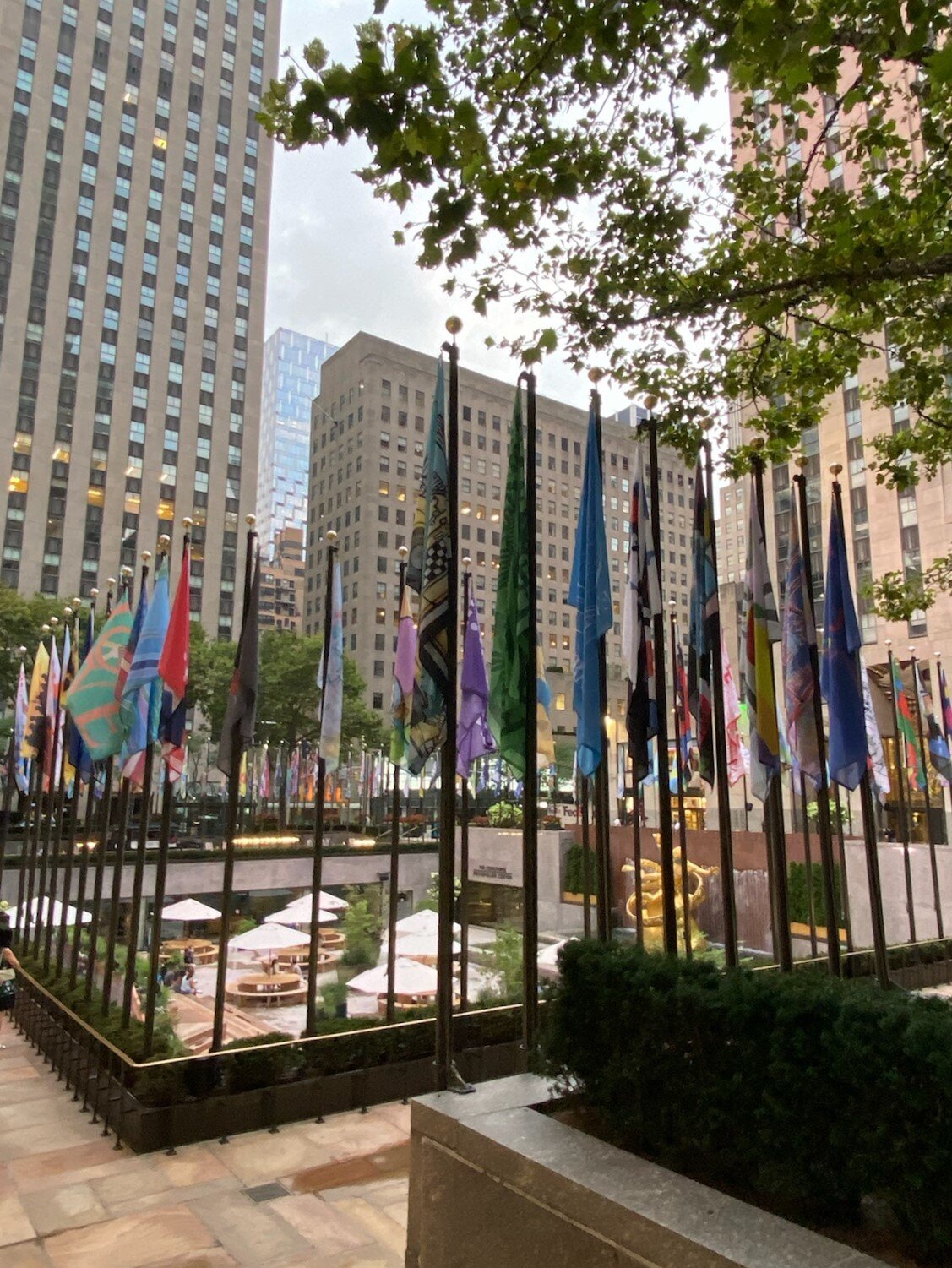
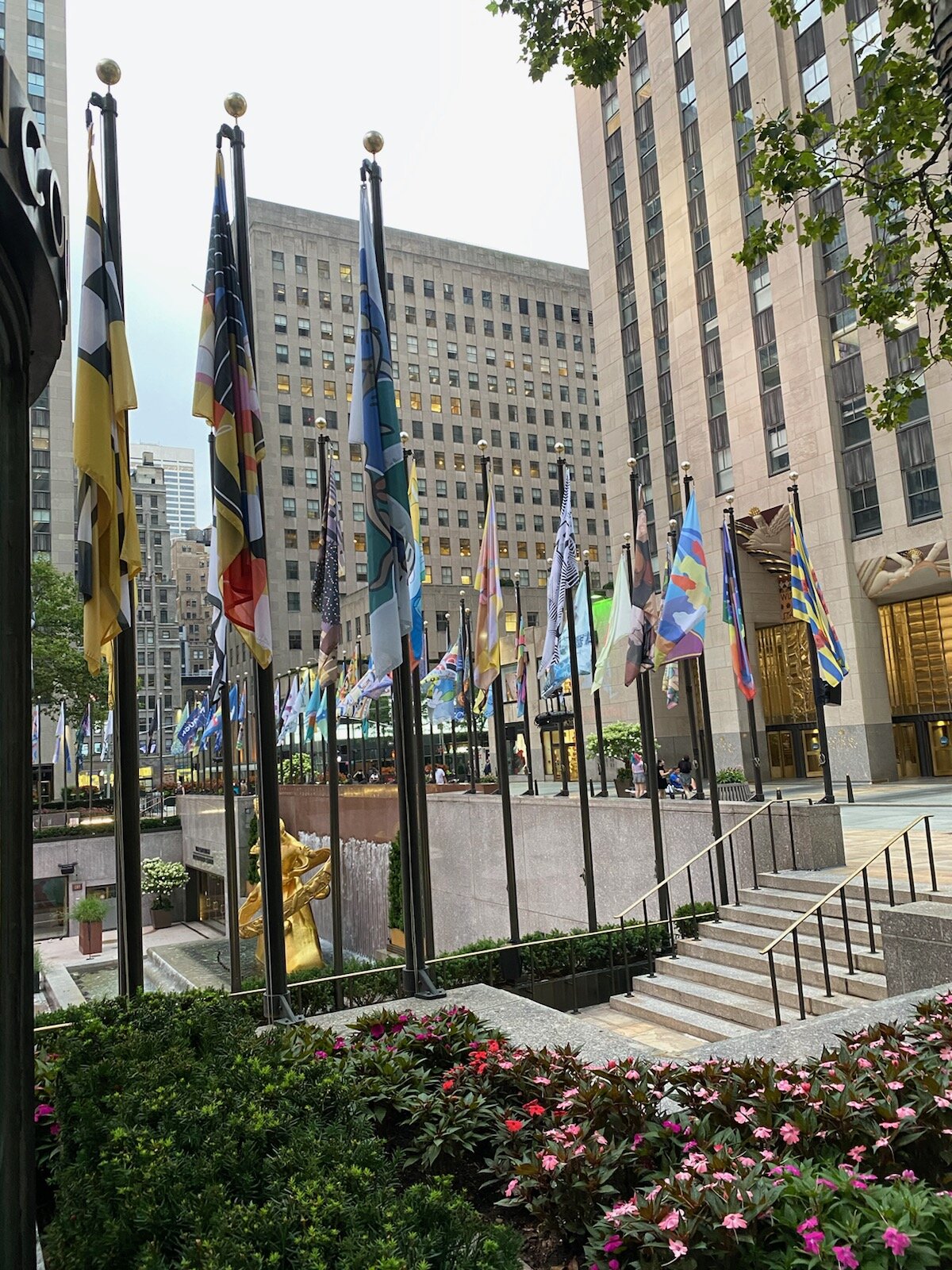
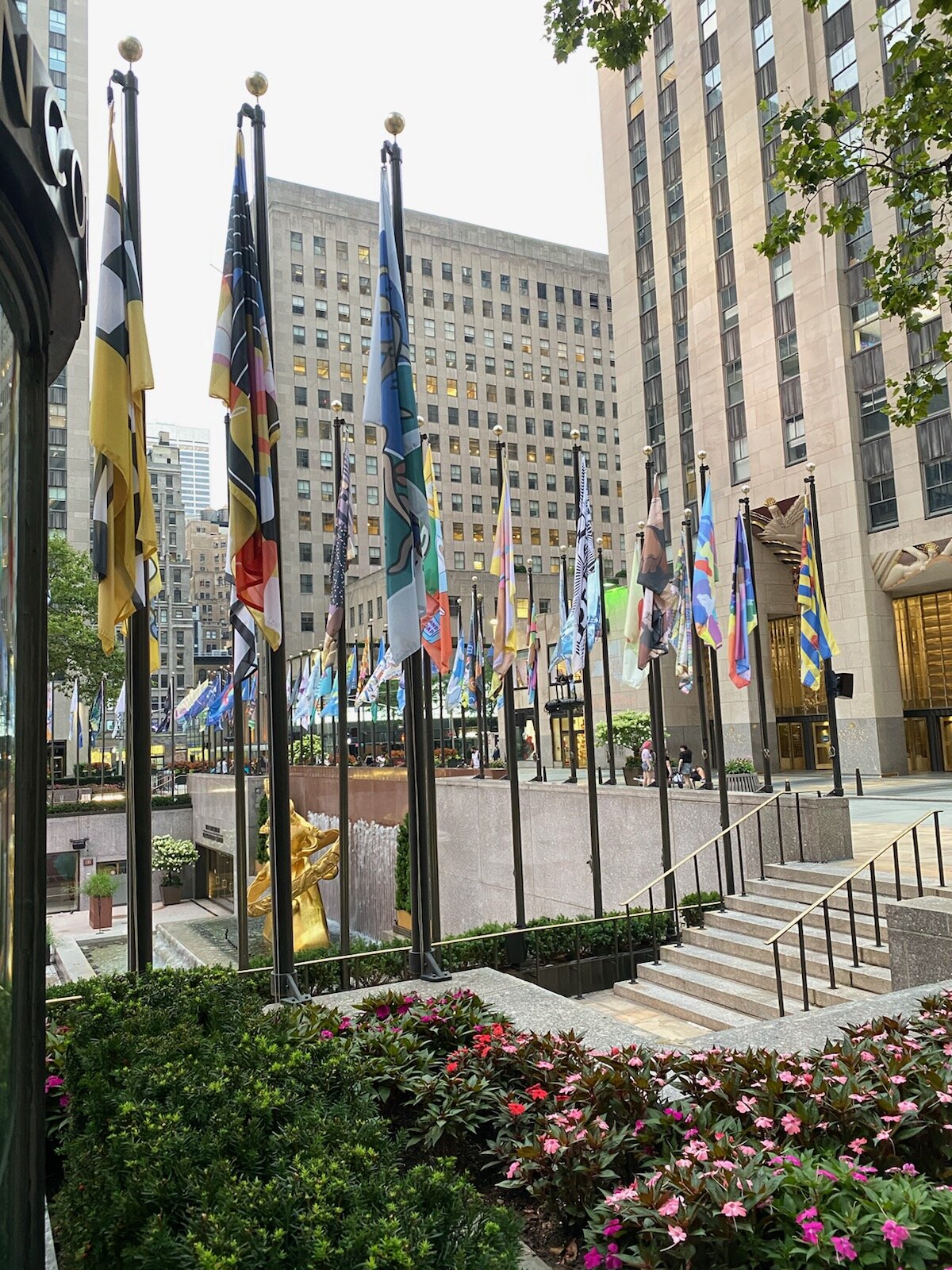
The Flag Project at Rockefeller Center features 193 flags flying from the Rock Center parade of poles, all “celebrating in some way the energy, diversity, culture, strength, and resilience of our city.” Artists including Jeff Koons, KAWS, Jenny Holzer, and Marina Abramovic contributed site-specific works for the show but most of the designs were created by the public after an open call for submissions. More than a thousand entries from all over the world were submitted. The flags will be displayed until August 16, so you may need to hurry. This is one time where you can actually walk through Rockefeller Center without having to fight your way through tourists and TV executives. Wait, we actually miss that. Sigh.
Immigration Nation
This documentary series offers a unique and nuanced view of the ongoing struggles in America's broken immigration system. SUBSCRIBE: http://bit.ly/29qBUt7 Ab...
The six-part Netflix docuseries Immigration Nation, which the Trump administration tried to block the release of until after the election, offers an in-depth look into the inner workings of US immigration agencies under the Trump administration. The series focuses on Immigration and Customs Enforcement (ICE), the federal agency that increased arrests of immigrants by forty-two percent in the first eight months of the Trump presidency. Filmmakers Shaul Schwarz and Christina Clusiau were granted rare access to ICE agents working in New York City, Charlotte, North Carolina, and on the border outside Tucson, Arizona as well as inside detention facilities. The show follows immigration officers, supervisors, administrators, and judges as well as immigrants, including one elderly asylum-seeker detained for fleeing gang violence, a former cop from El Salvador who fled to America, and war veterans who have been deported, as well as parents separated from their underage children. After viewing the series, Sonia Saraiya writes in Vanity Fair: “There still exists the idea of America as a nation that welcomes all—and then there is the country we actually live in, where we send refugees back to near-certain death at the hands of vicious gangs. It seems we’ve gotten so busy punishing people for wanting to be here that we’ve forgotten to be a country worth immigrating to.”
USCIS Adjusts Fees Effective October 2, 2020
The Department of Homeland Security (DHS) announced a final rule that adjusts US Citizenship & Immigration Services (USCIS) fees by a weighted average increase of twenty percent. The updated fees are effective October 2, 2020, and any application, petition, or request postmarked on or after this date must include payment of the new, correct fee. Since these fees fund nearly ninety-seven percent of USCIS’ budget, the agency claims the weighted increase is necessary to avoid a budget shortfall of an estimated $1 billion per year. “USCIS is required to examine incoming and outgoing expenditures and make adjustments based on that analysis,” Joseph Edlow, USCIS deputy director for policy, said. “These overdue adjustments in fees are necessary to efficiently and fairly administer our nation’s lawful immigration system, secure the homeland and protect Americans.”
Read more