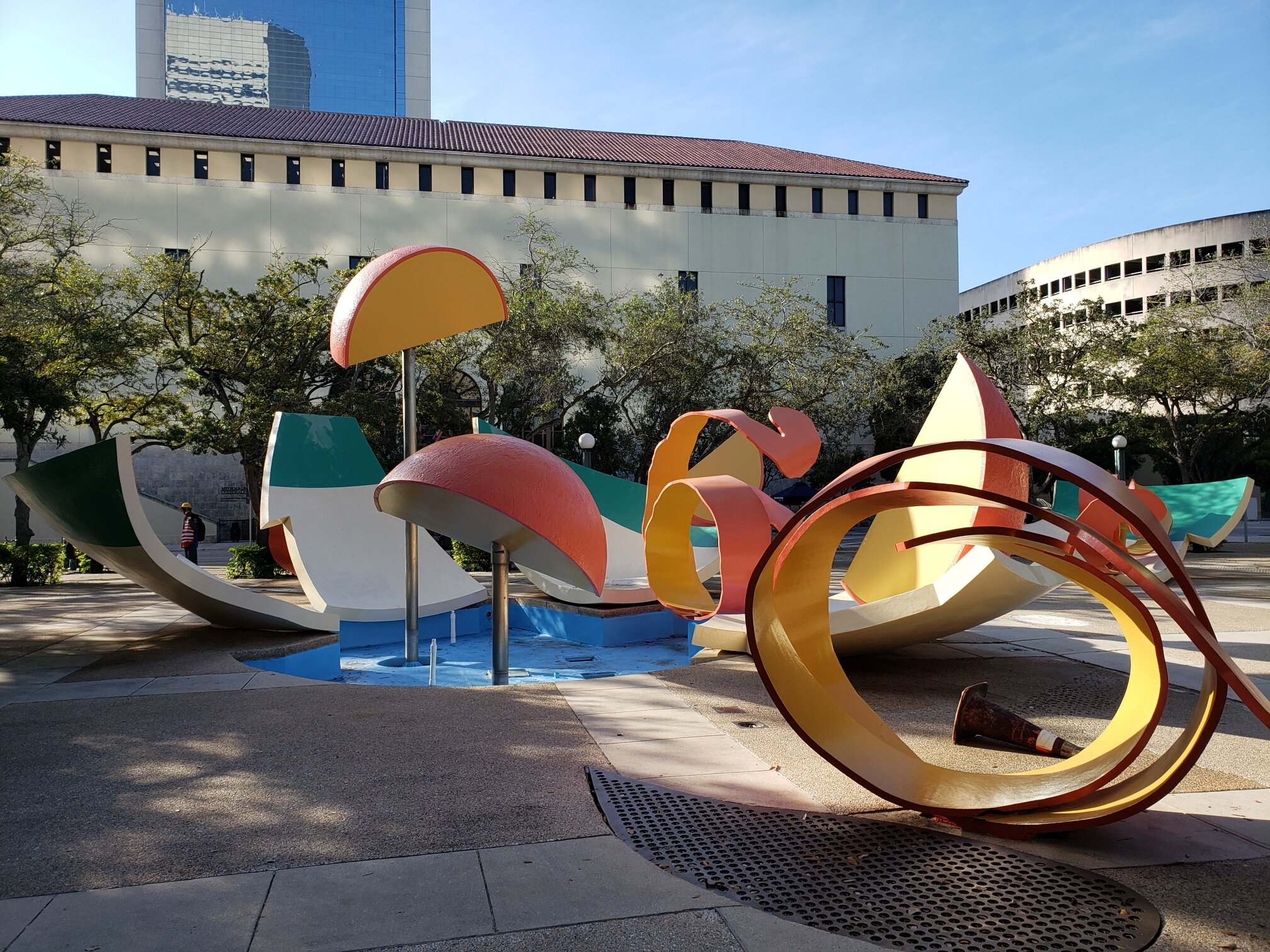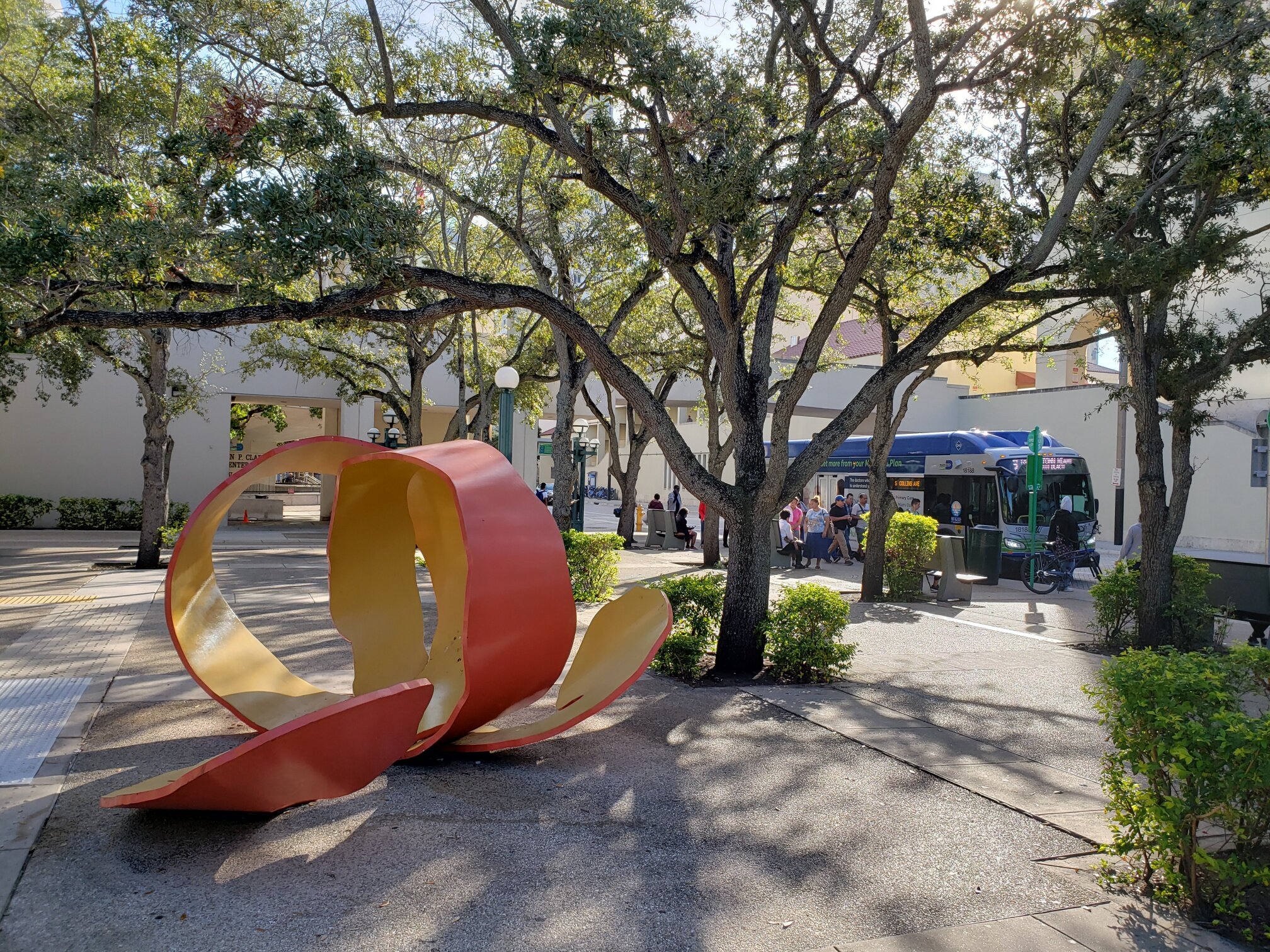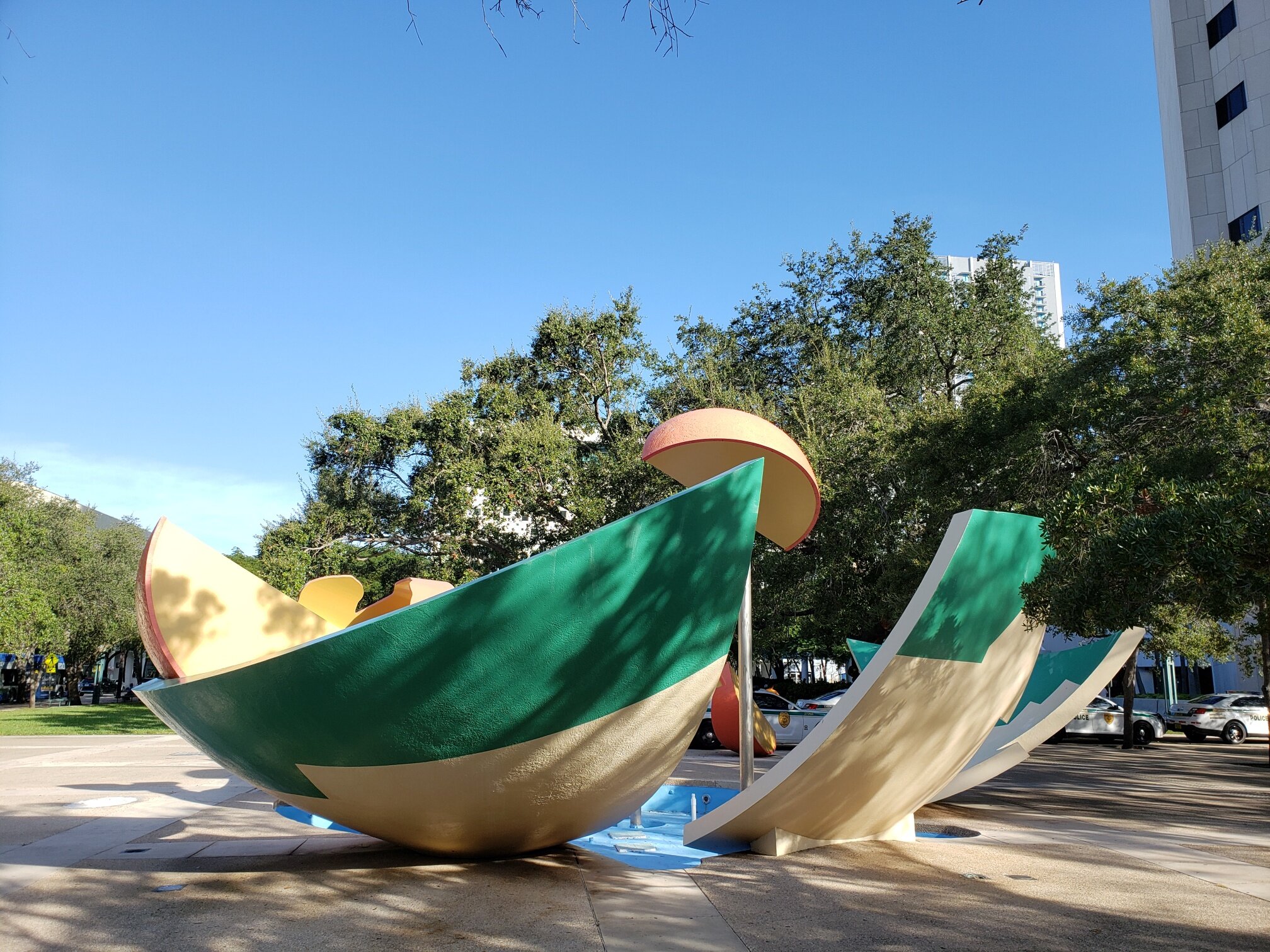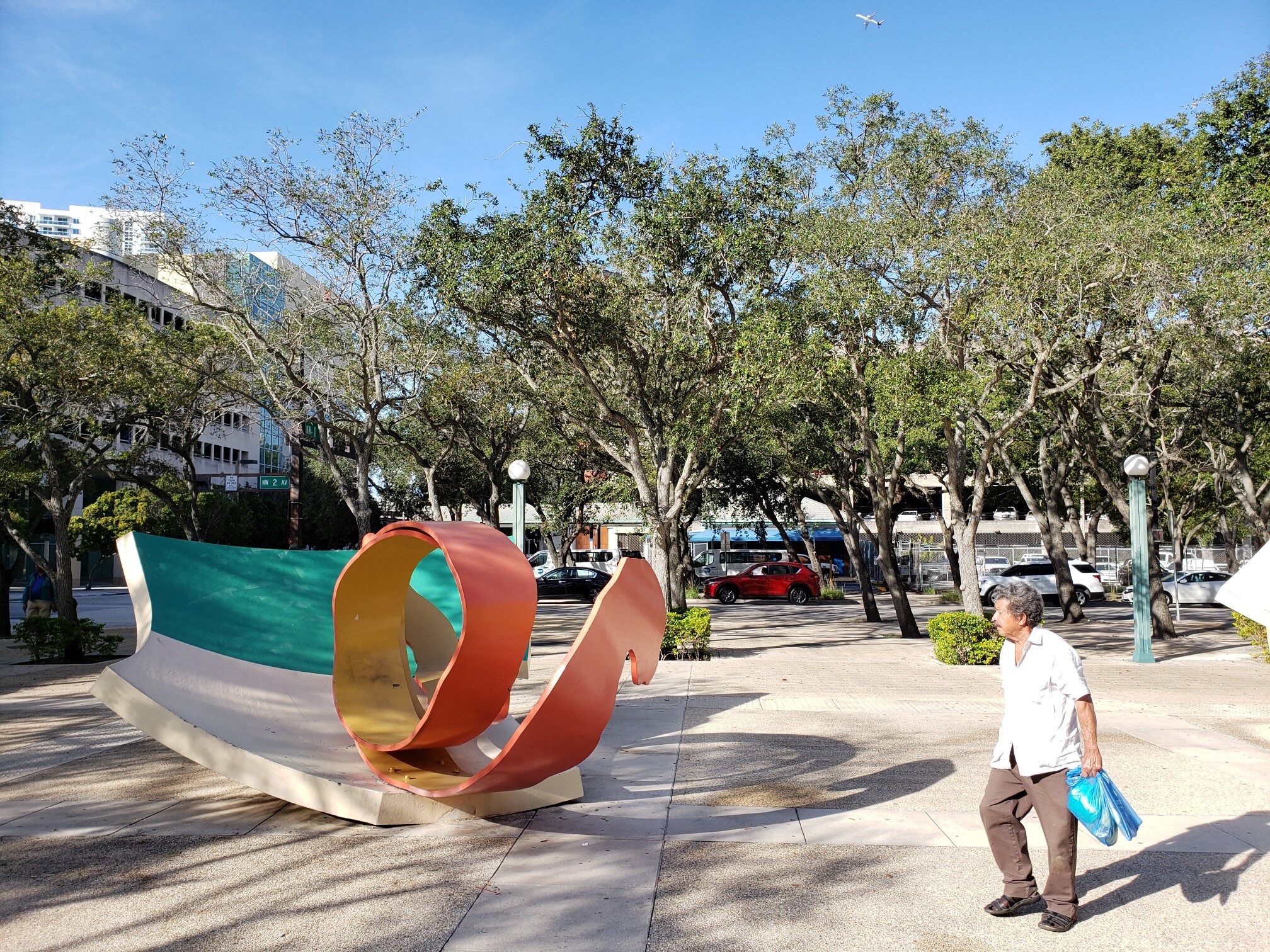
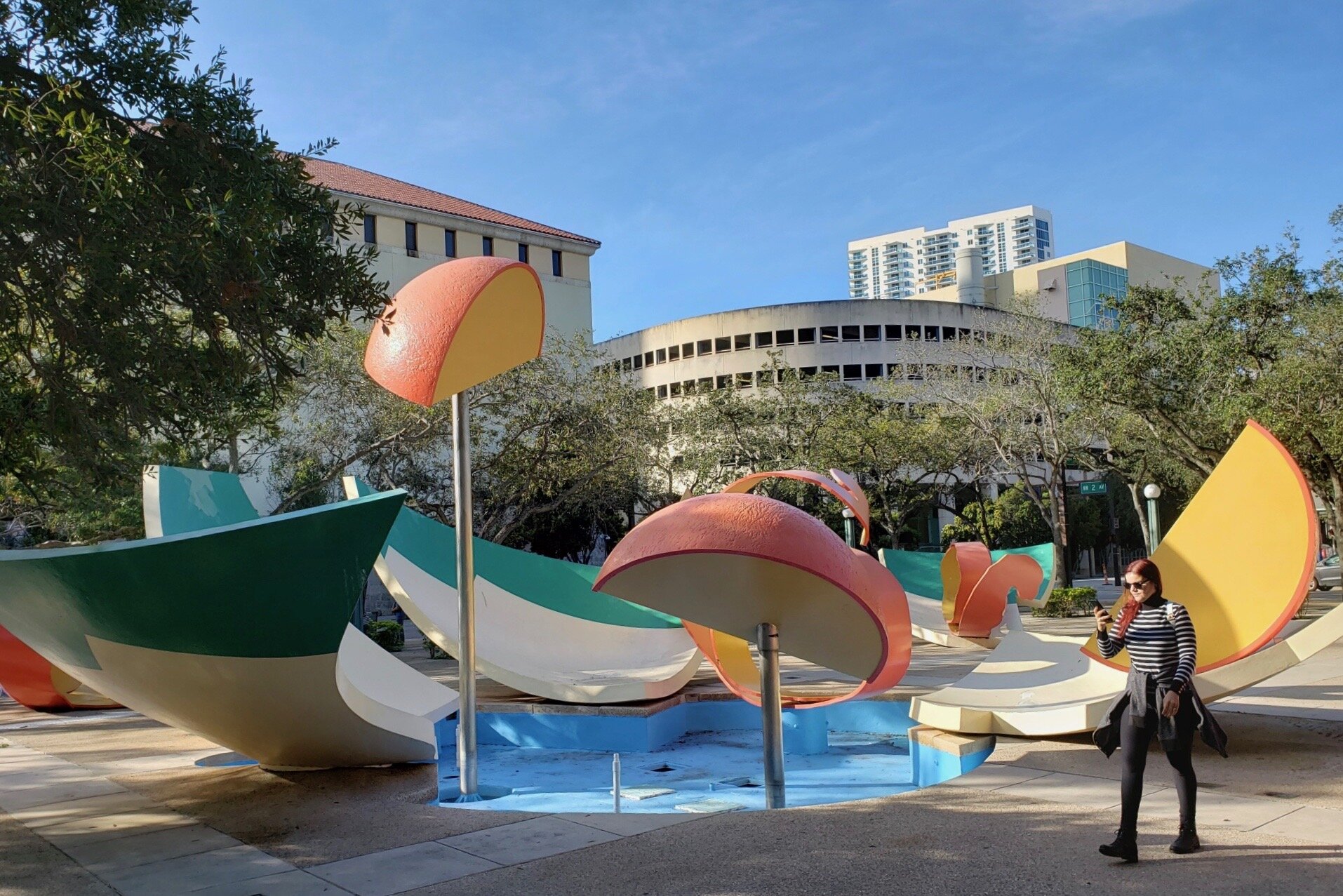
We are in sunny and warm Miami (sorry, rest of country with crazy snowstorms and weather) for the Thanksgiving Holiday and came across this massive public artwork installation by artists Claes Oldenburg and Coosje van Bruggen, who are known for their large-scale installations in city settings. Located in downtown Miami, Dropped Bowl with Scattered Slices and Peels captures a moment when a bowl of orange slices and peels drops to the ground and shatters. The artwork includes bowl fragments in cast concrete, peels in steel plate, and orange sections in reinforced cast resin all with an overall weight of over 124,000 lbs. With the oranges and bright colors, Dropped Bowl certainly captures one aspect of Miami. And, depending on how your holiday is going, it might be an accurate representation of Thanksgiving for some people (not ours, thankfully). Whatever the case, we wish everyone a Happy Thanksgiving Weekend!
The 5 Biggest Immigration-Related Acts and Cases in US History
It’s November already, can you believe it? In addition to colder temperatures and the end of daylight savings times (hello, darkness!), it’s also time for the most “American” of holidays—Thanksgiving. While the history of Thanksgiving is much more complicated than what is commonly taught in schools, it’s nevertheless an opportune time to reflect on our presence in this country as immigrants, refugees, and, yes, colonizers, and also reflect on how we have historically treated other immigrants and refugees. To that end, we are looking back at five major acts and cases in US history that have shaped and influenced US immigration law and policy.
Read moreForbes: "Trump Plans Far-Reaching Set of New Immigration Regulations"
The Department of Homeland Security released the Unified Agenda this month showing that the Trump administration is proposing new immigration regulations that would have a dramatic effect on employers, international students, H-1B and L-1 visa holders, EB-5 investors, and asylum seekers, among others. Stuart Anderson, executive director of the National Foundation for American Policy, writes in Forbes that the agenda is "ambitious and far-reaching" and an "attempt to lock into place changes to immigration policy that cannot be easily undone, regardless of the outcome of the 2020 presidential election."
Read moreEvery Day I Pray For Love
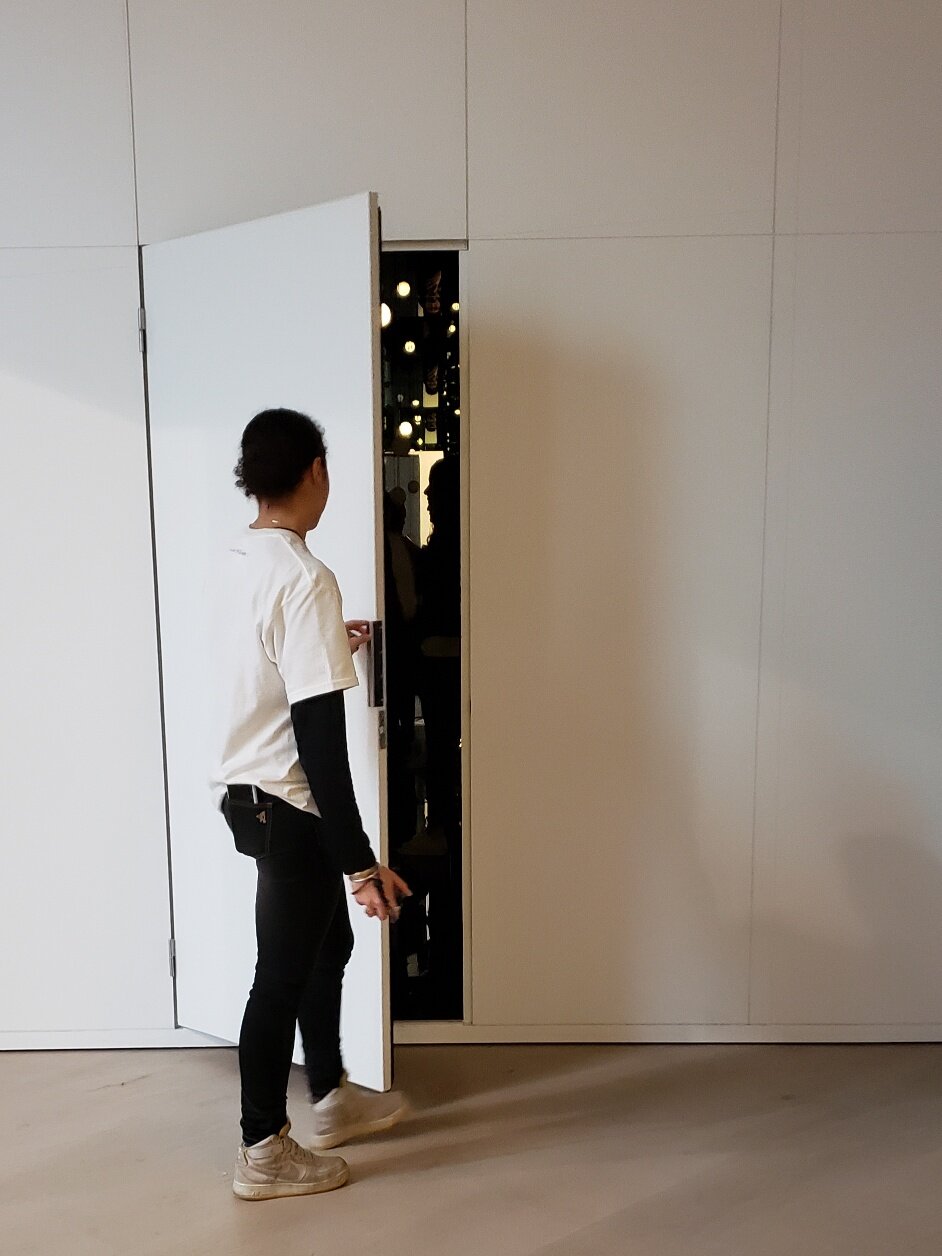
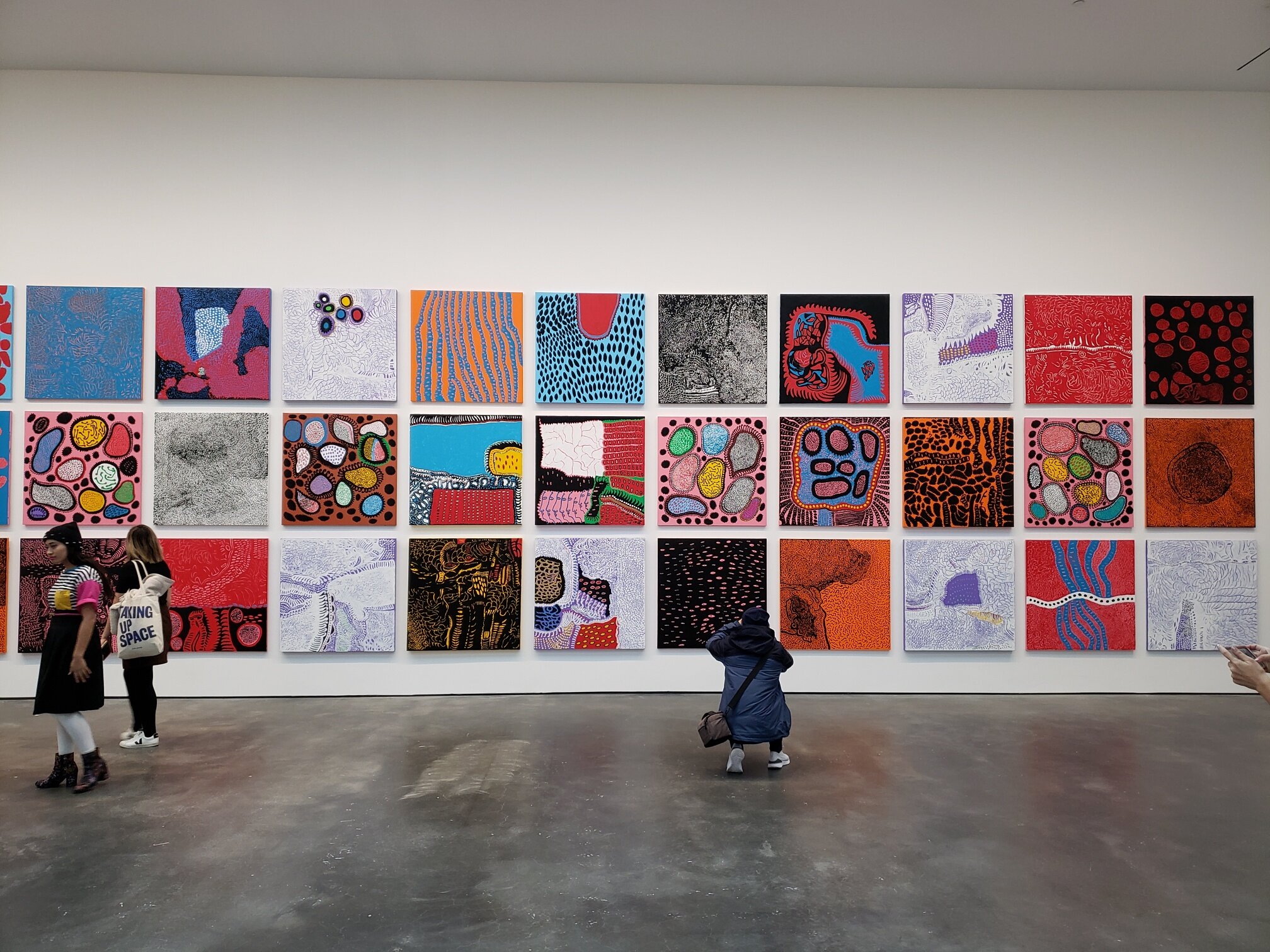
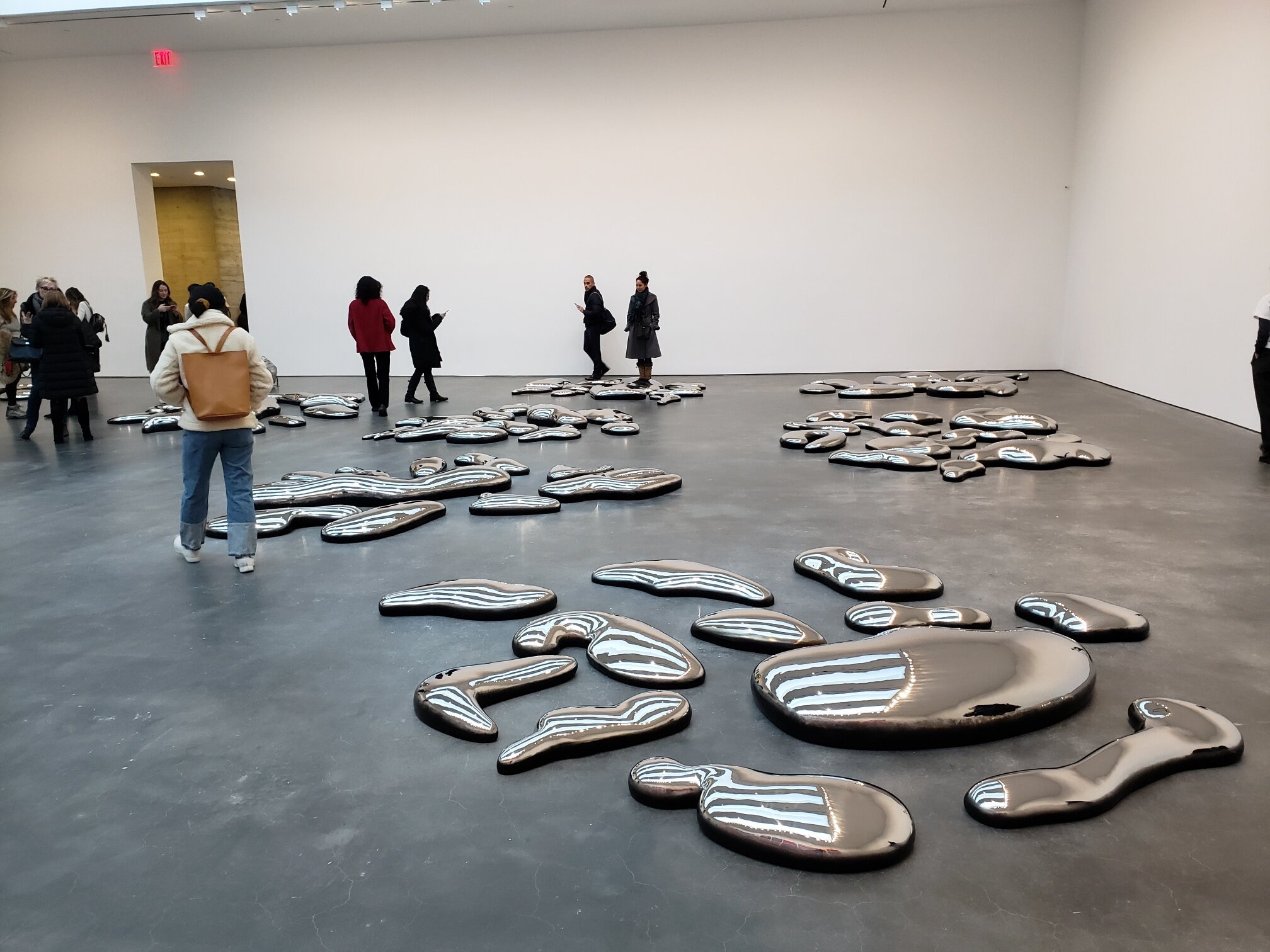
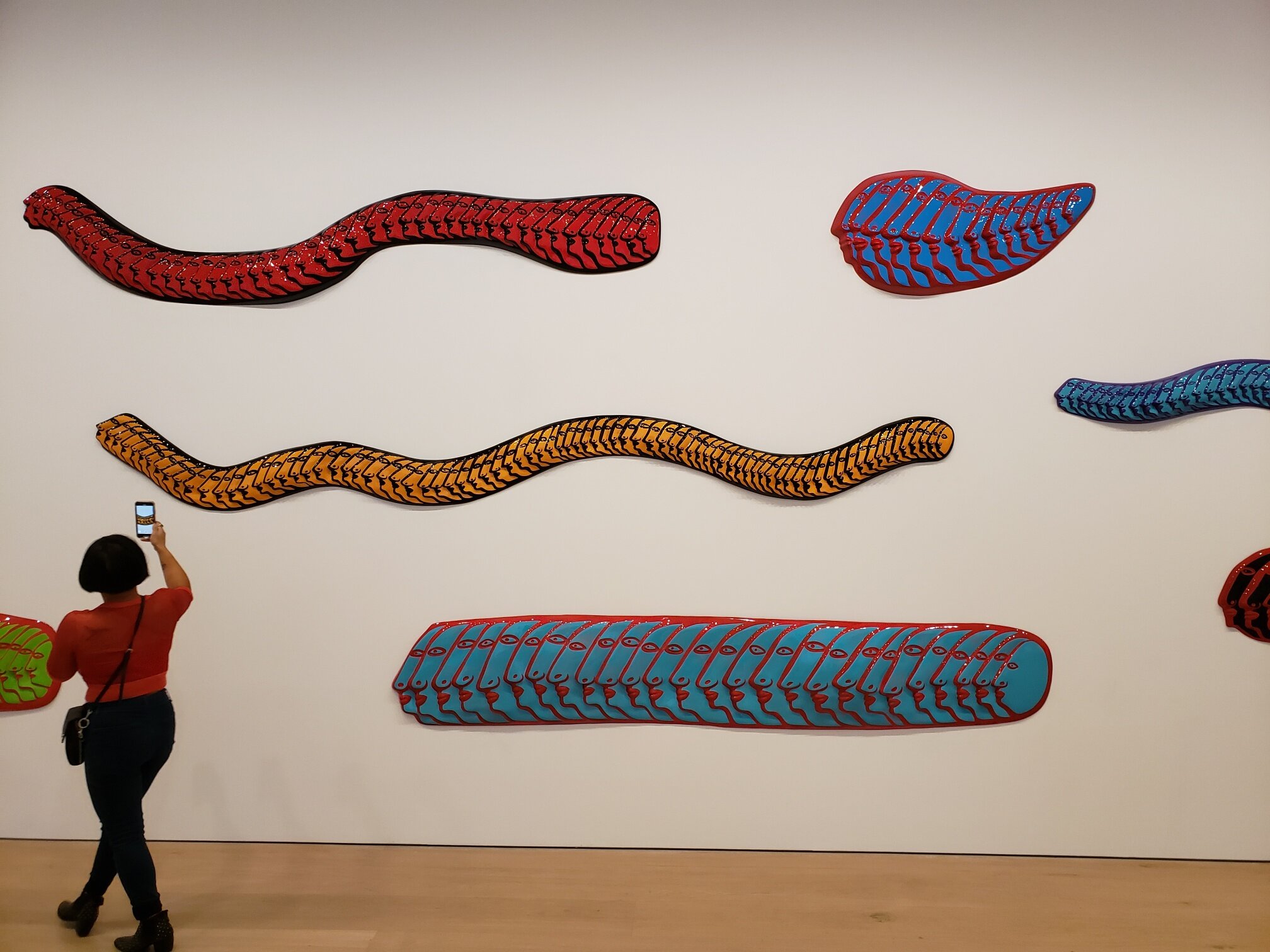
Yayoi Kusama is one of the most admired artists of the twentieth and twenty-first centuries. Known for her use of repetitive elements—most famously, her use of repeating dots—Kusama’s work enchants and inspires a global audience. Kusama’s new exhibition—Every Day I Pray for Love—is on display at the David Zwirner Gallery in Chelsea. The exhibit includes paintings in her My Eternal Soul series, sculptures, and, the reason for that very long line on the sidewalk in front of the gallery, the Infinity Mirrored Room - Dancing Lights That Flew Up to the Universe, 2019. One cold morning this week we waited in the line for about an hour to spend one minute with three other people in the infinity room. Although brief, it’s well worth it. The infinity room, as the gallery says, is an “immersive and poetic experience of endless space” and the beautiful flickering lights combined with the dreamlike reflections are meant to reveal, as Kusama says, an “eternal unlimited universe [and] the eternity of interrelationships.” Unfortunately, there is only a finite time to see it. The exhibition is only on display through December 14, 2019, so hurry!
Because of Immigrants
USCIS Proposes to Dramatically Increase Filing Fees
US Citizenship & Immigration Services (USCIS) announced earlier this month a proposed rule to adjust the fee schedule by a weighted average increase of twenty-one percent. In making the announcement, USCIS noted that unlike most government agencies, USCIS is fee-funded and claims the current fees if left unchanged would underfund the agency by approximately $1.3 billion per year. “USCIS is required to examine incoming and outgoing expenditures, just like a business, and make adjustments based on that analysis,” Ken Cuccinelli, acting director of USCIS, said in a statement. “This proposed adjustment in fees would ensure more applicants cover the true cost of their applications and minimizes subsidies from an already over-extended system.”
Read moreThis Isn't The End
Our American Dream
Award-winning immigration attorney Fiona McEntee (and friend of the firm) has written a children’s book about immigrants. As an immigrant herself and mother of two young children, Fiona wrote Our American Dream to “help explain the importance of a diverse and welcoming America.” The book, the first in a series, celebrates immigrant stories and is inspired by Fiona’s real-life clients, family, and friends, including a Syrian refugee working in Congress, a ”Dreamer” hoping for a Green Card, and a painter from Russia using her extraordinary talent to achieve the American dream. McEntee explained the book came about after she failed to find a book about immigration that she could read to her daughter’s class. “I looked for a book that reflected what has been going on with the types of immigration issues I was dealing with and that children might be hearing about in the news,” she told the Chicago Tribune. “There are a number of good books about immigrants but usually they are focused on a specific story. I thought there should be a book for kids that concentrated on immigration in positive ways.” I read the book with my own son this week and he said he thoroughly enjoyed it. (Okay, he can’t talk yet but he did make some delighted noises!) A portion of the book’s proceeds will be donated to FWD.us I Stand With Immigrants Initiative, as well as to the American Immigration Council.
USCIS Implements $10 Fee for H-1B Visa Registration
US Citizenship & Immigration Services (USCIS) announced a final rule last week that will require petitioning employers to pay a $10 non-refundable fee for each H-1B registration they submit for the H-1B electronic registration system. The agency plans to implement the H-1B registration process for the fiscal year 2021 H-1B cap selection process, assuming successful testing of the system. With this H-1B electronic registration system, petitioners seeking to file H-1B cap-subject petitions, including advanced degree exemption cases, will first electronically register with USCIS during a designated registration period (unless the requirement is suspended). If the electronically registered case is selected in the lottery, then the petitioner will file the H-1B petition.
“This effort will help implement a more efficient and effective H-1B cap selection process,” USCIS Acting Director Ken Cuccinelli said in a statement. “The electronic registration system is part of an agency-wide initiative to modernize our immigration system while deterring fraud, improving vetting procedures and strengthening program integrity.” The final rule will be effective December 9, 2019, and the fee will be required when registrations are submitted. USCIS will announce the timeframe for the implementation and initial registration period in the Federal Register once a formal decision has been made, and the agency indicates that they will offer “ample notice to the public in advance of implementing the registration requirement.”