
US Citizenship & Immigration Services (USCIS) announced this week that beginning December 2, 2019, the agency is increasing the fee to request premium processing for certain employment-based petitions. The premium processing fee will increase to $1,440 (currently set at $1,410) for Form I-129, Petition for a Nonimmigrant Worker, and Form I-140, Immigrant Petition for Alien Worker. The agency notes that the premium processing fee was last increased in 2018 and that the increase “reflects the full amount of inflation from the implementation of the premium processing fee in June 2001 through August 2019 based on the Consumer Price Index for all Urban Consumers (CPI-U).” Premium processing is requested using Form I-907 and is an optional service for certain petitioners filing Forms I-129 or I-140. Filing a premium processing request with the additional fee will result in a fifteen-calendar day response time. USCIS.gov has additional information about filing cases via premium processing including filing addresses.
Dallas Morning News: “Here’s what immigrants contribute to your congressional district”
A new tool developed by New American Economy, a bipartisan research and advocacy organization supporting immigration policies that help grow the US economy, shows that immigrants are contributing billions of dollars in taxes and spending power to congressional districts across the United States. Andrew Lim, New American Economy’s director of quantitative research, said that he hopes that breaking down this data in this way makes it useful for representatives to understand their districts. “This is data that is tailored to their districts, which we know vary greatly from city and county boundaries,” Lim said.
New American Economy used American Community Survey data from the US Census Bureau through 2017 and examined spending and voting power for immigrants and also examined other factors, including home ownership, taxes paid, and the number of immigrant entrepreneurs in each district. Anyone can easily use the tool to look up information on districts or on a state-wide level. In New York District 12, for example, where our firm is located, the tool shows that immigrants make up 26.5% of the population, have paid $4.6B in taxes, and have a spending power of $10.4 billion. Other states, including Texas, also boost high numbers as well. The tool shows that state-wide in Texas immigrants make up about 17% percent of the population, have paid about $35 billion in taxes, and have a spending power of $109.9 billion. “The idea is to show that immigrants at the most familiar level are making giant contributions,” Lim said. “This data tells the story of how immigrants are living and that the conversation around immigration isn’t an abstract but is relevant to our everyday lives.”
Restoring Dignity

ChalkFIT 2019
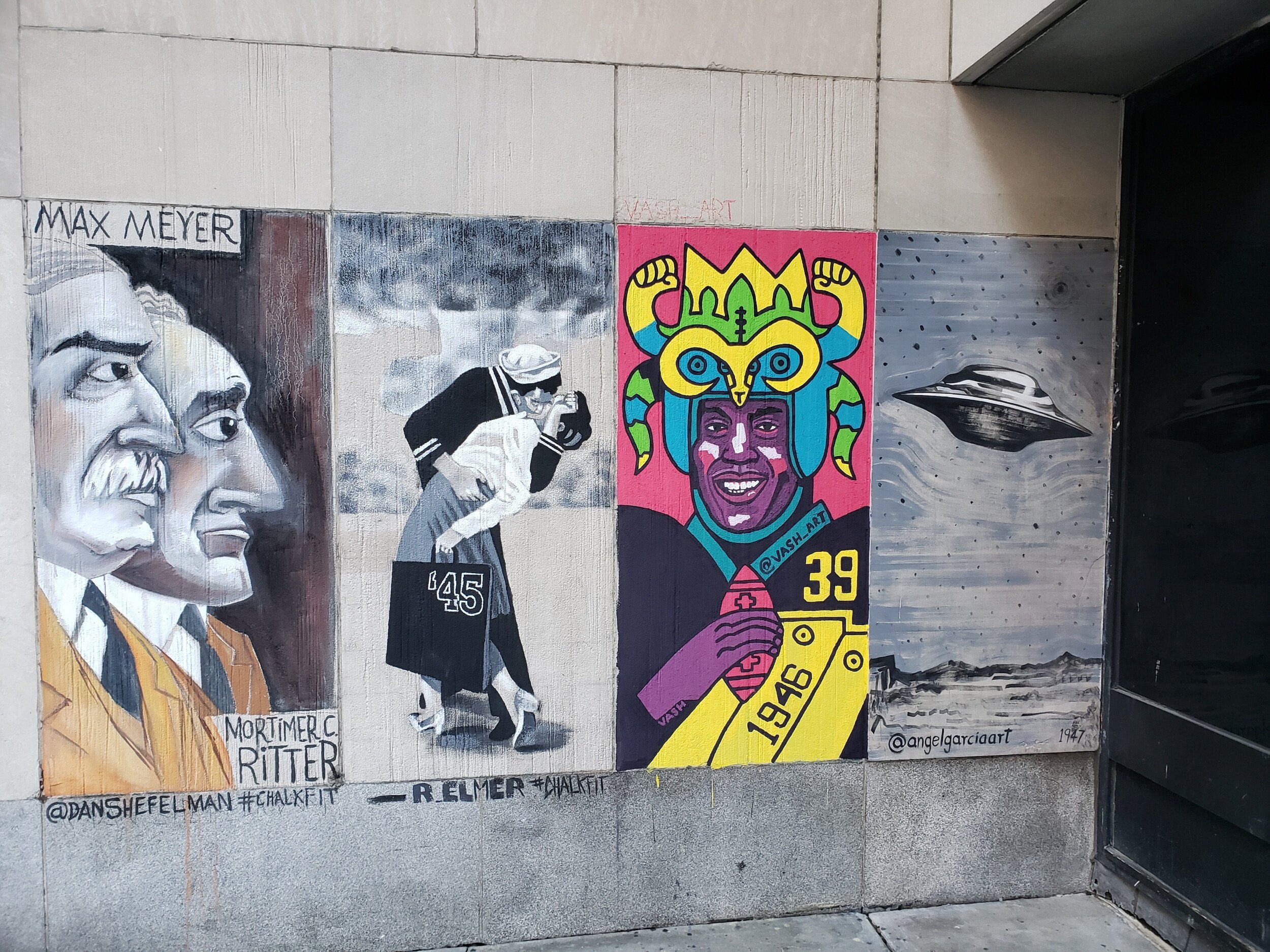

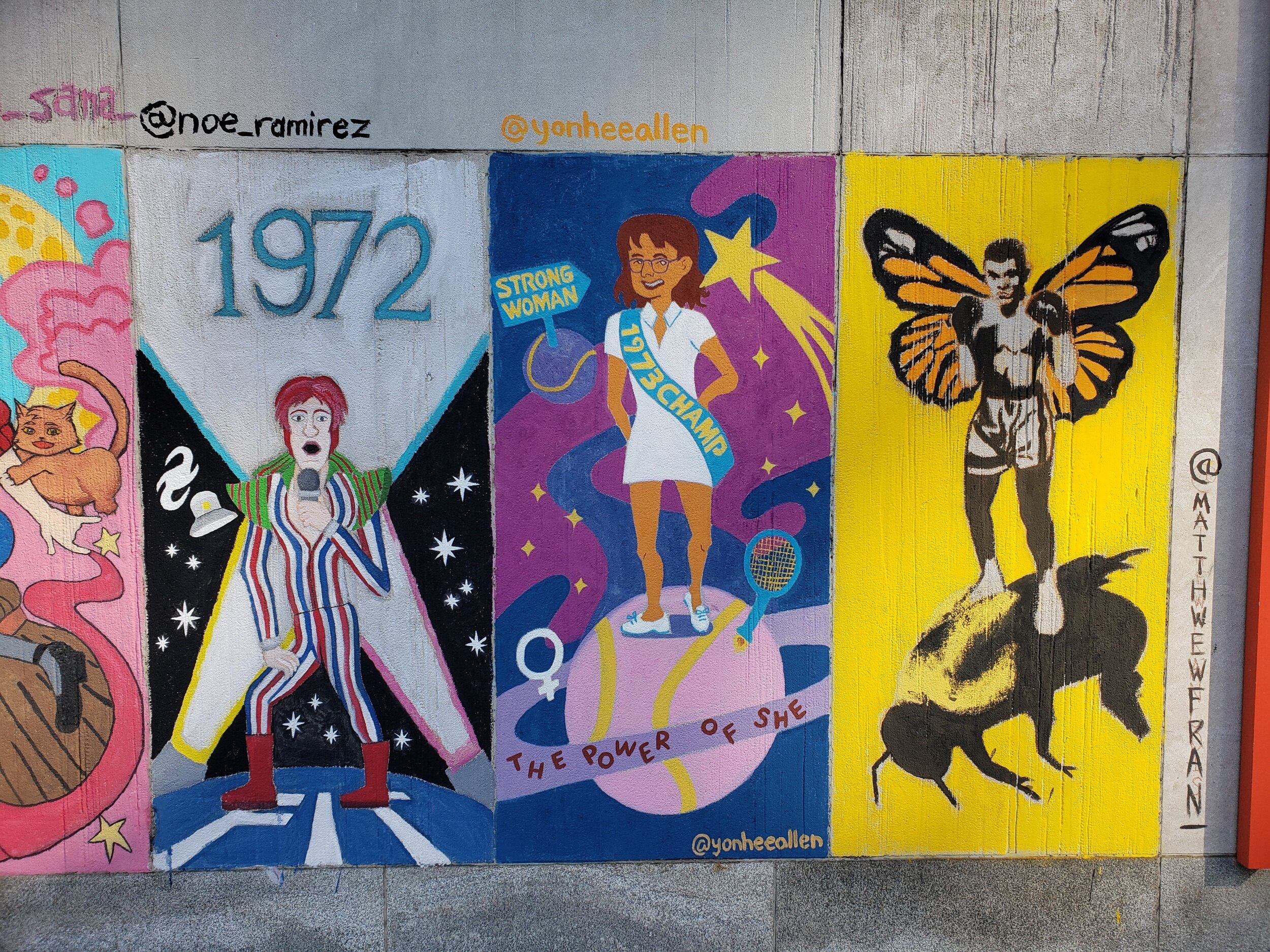
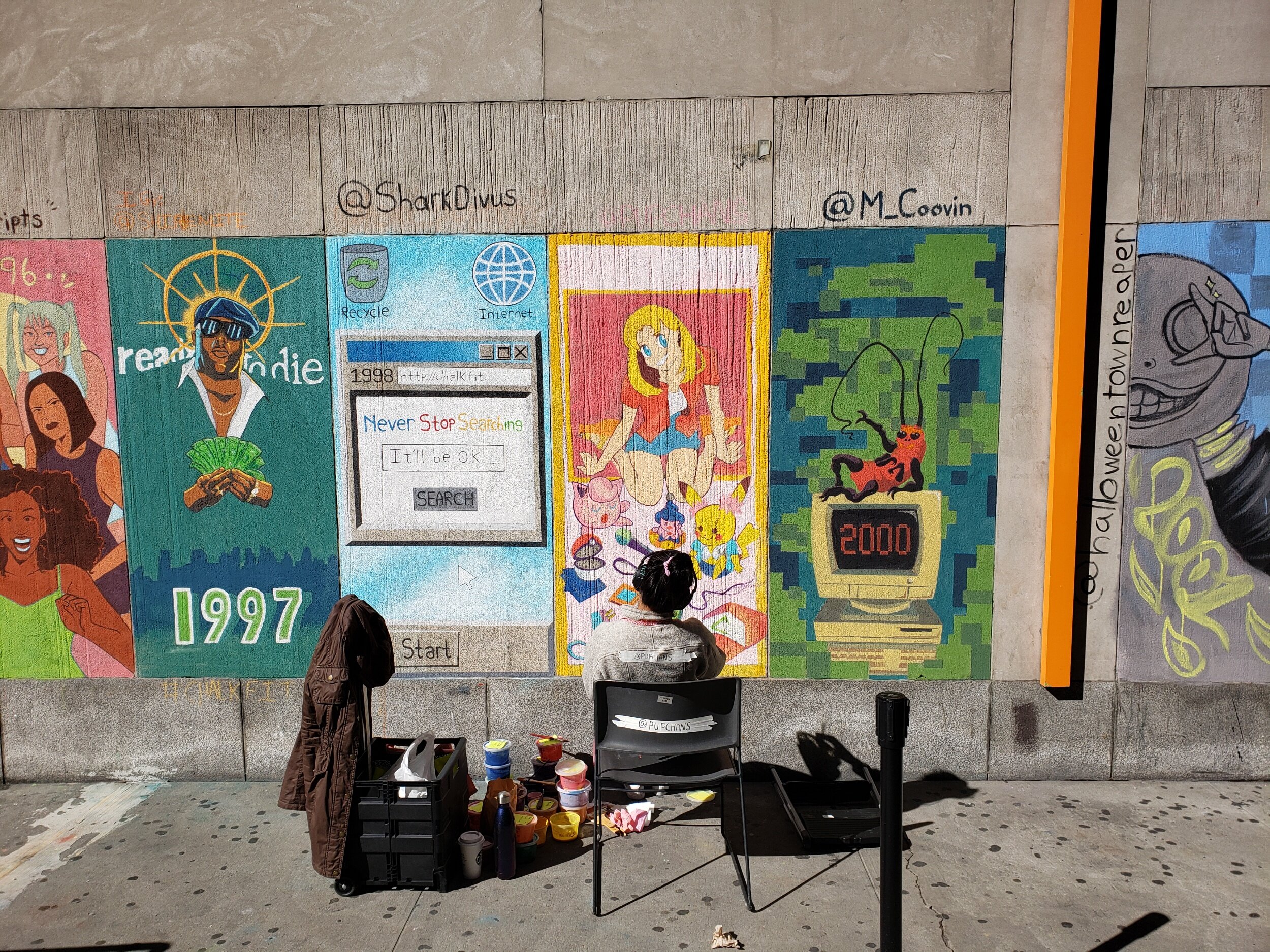
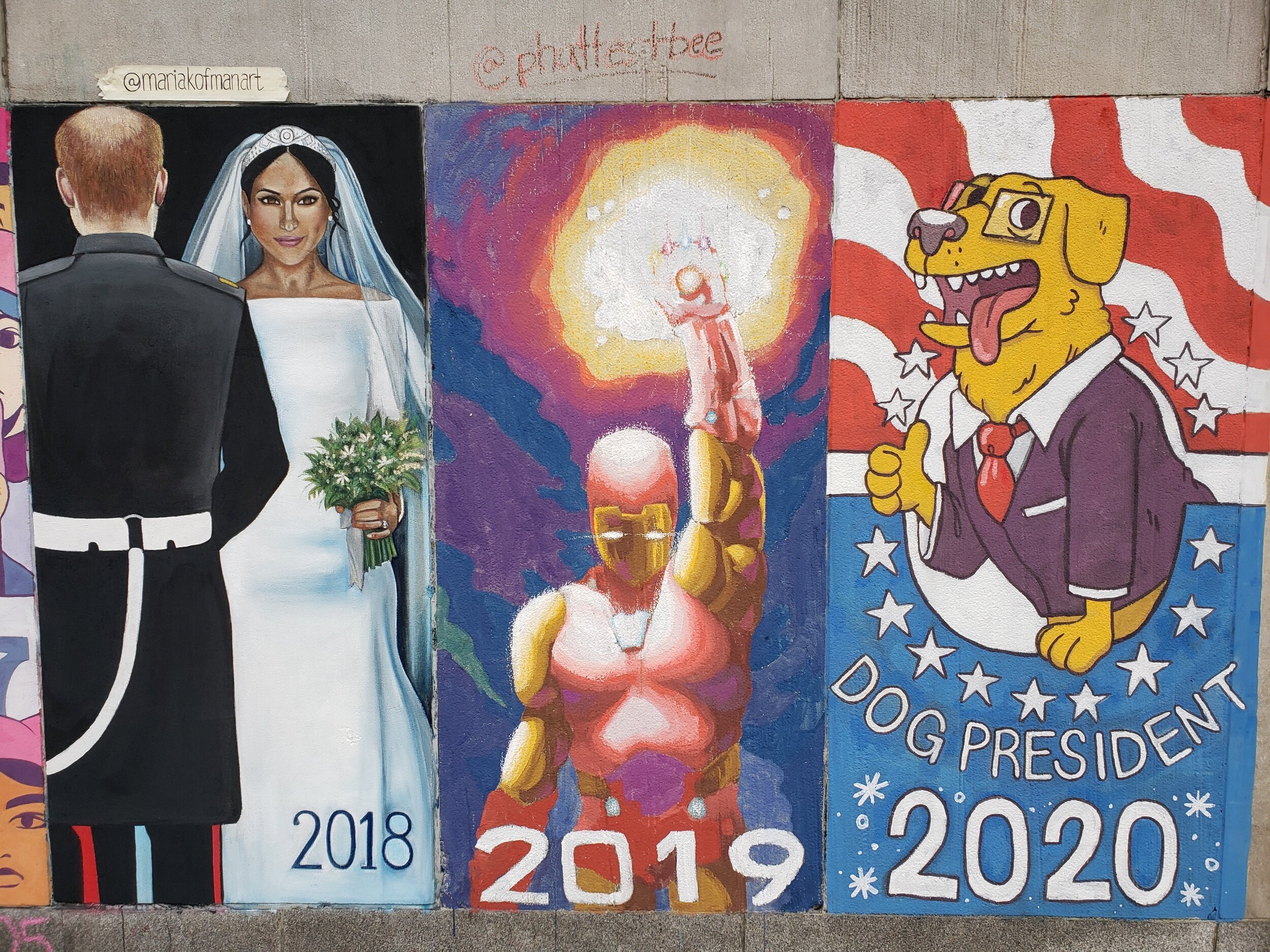
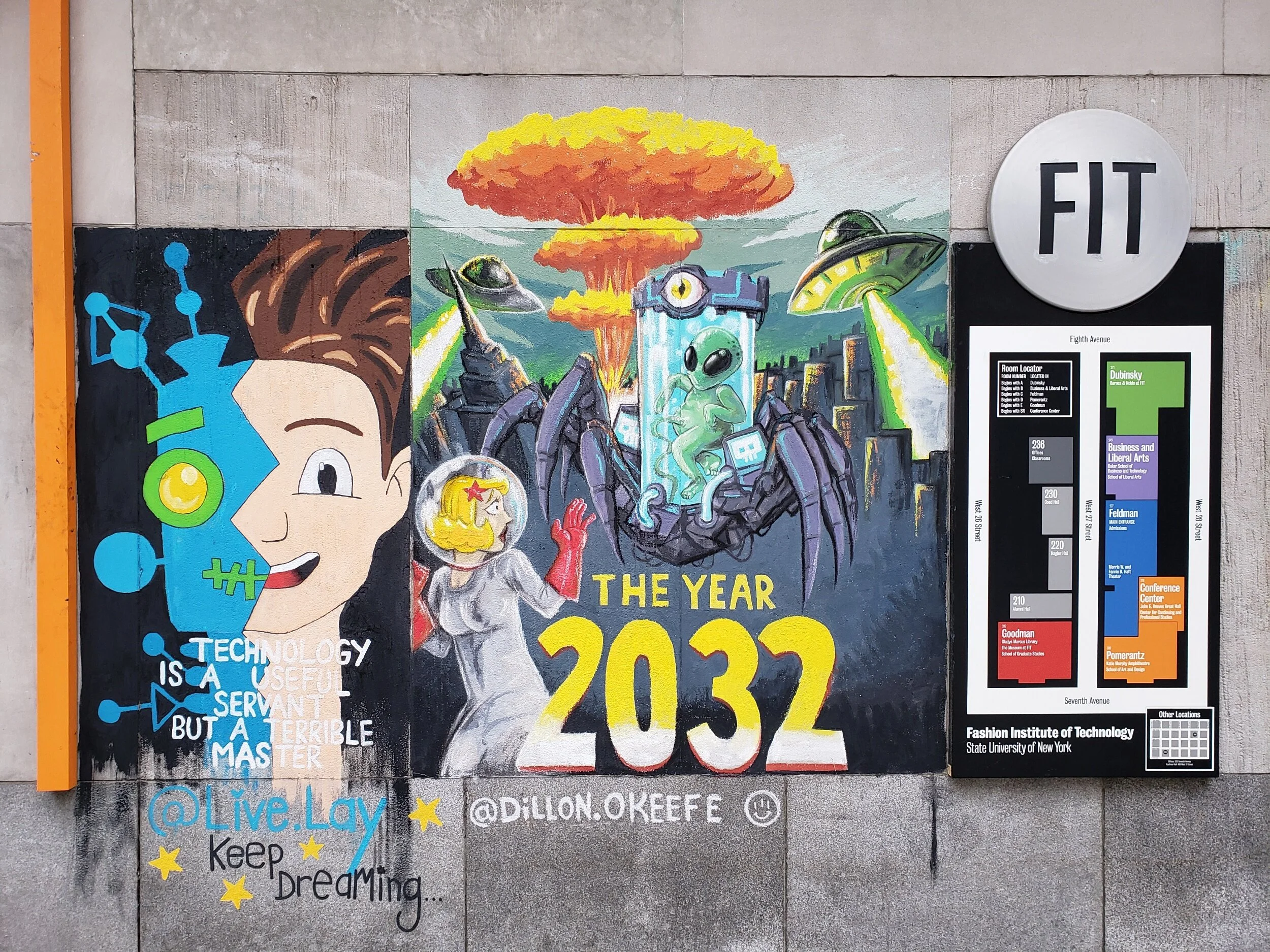
Fall is a colorful time of the year—you know, the changing leaves and all that—but in our neighborhood we have another reason why this season is always filled with some lovely hues. Every October, illustration students at the Fashion Institute of Technology (FIT) create bold and inventive murals on their building facades on Seventh Avenue and West 27th and 28th Streets. This year, to celebrate the 75th anniversary of the school’s founding, the panels depict ninety historic moments, events, and people from over the last 75 years as well as panels that look forward to the year 2032. Events illustrated include the 1945 V-Day celebrations, the 1956 Elvis performance on the Ed Sullivan show, the 1997 death of iconic rapper The Notorious B.I.G, the 2018 marriage of Prince Harry and Meghan Markle, and, looking into the future, the impending destruction and alien invasion of New York City in 2032 (well, we hope this timeline isn’t accurate). We always enjoy seeing the student artists at work and the finished results. Alvin Sumigcay, a senior illustration major at FIT, explained to NY1 they often receive feedback about the artwork from pedestrians: “Someone passed by and said, ‘Oh, I was at that Elvis concert back there.’ So I think nostalgia plus something to look forward to, that’s why we have something for the future as well.”
Reveal: “Trump administration’s denials of H-1B visas are being overturned at record rate”
After President Trump issued the Buy American and Hire American executive order, where he promised reforms for the H-1B program, US citizenship & Immigration Services (USCIS) began issuing a record number of H-1B petition denials, despite no changes to US immigration law. The denial rate for first-time H-1B petitions increased from ten percent in 2016 to twenty-four percent in 2019. Figures show that a record number of those H-1B denials have been overturned on appeal, which suggests that USCIS officers may have wrongly rejected some H-1B petitions. “Previously, deniable cases were being denied and approvable cases were being approved,” William Stock of Klasko Immigration Law Partners said. “What we are seeing now is that approvable cases are being denied, so what the [appeals office] is saying is, ‘This is an approvable case, it shouldn’t have been denied.’”
Between the 2014 and 2017 fiscal years, the Administrative Appeals Office reversed about three percent of the H-1B decisions it reviewed. In 2018, however, it overruled USCIS in nearly fifteen percent of H-1B appeals and remanded more than seven percent of decisions, sending them back to be re-evaluated (compared with four percent in the previous four years). A federal immigration agency spokesperson noted that only one percent of all H-1B denials are appealed and that the figures are consistent “with a series of agency reforms designed to protect U.S. workers, cut down on frivolous petitions, strengthen the transparency of employment-based visa programs, and improve the integrity of the immigration petition process.” Steven Yale-Loehr, a professor of immigration at Cornell University, says it’s not clear if the figures show a one-year flip or actual trend. He said: “It remains to be seen whether that continues or whether the [appeals office] also starts to toe the administration line and goes back up to the 90 percent level of agreeing with the initial denials.”
Field of Dreams

City in the Grass

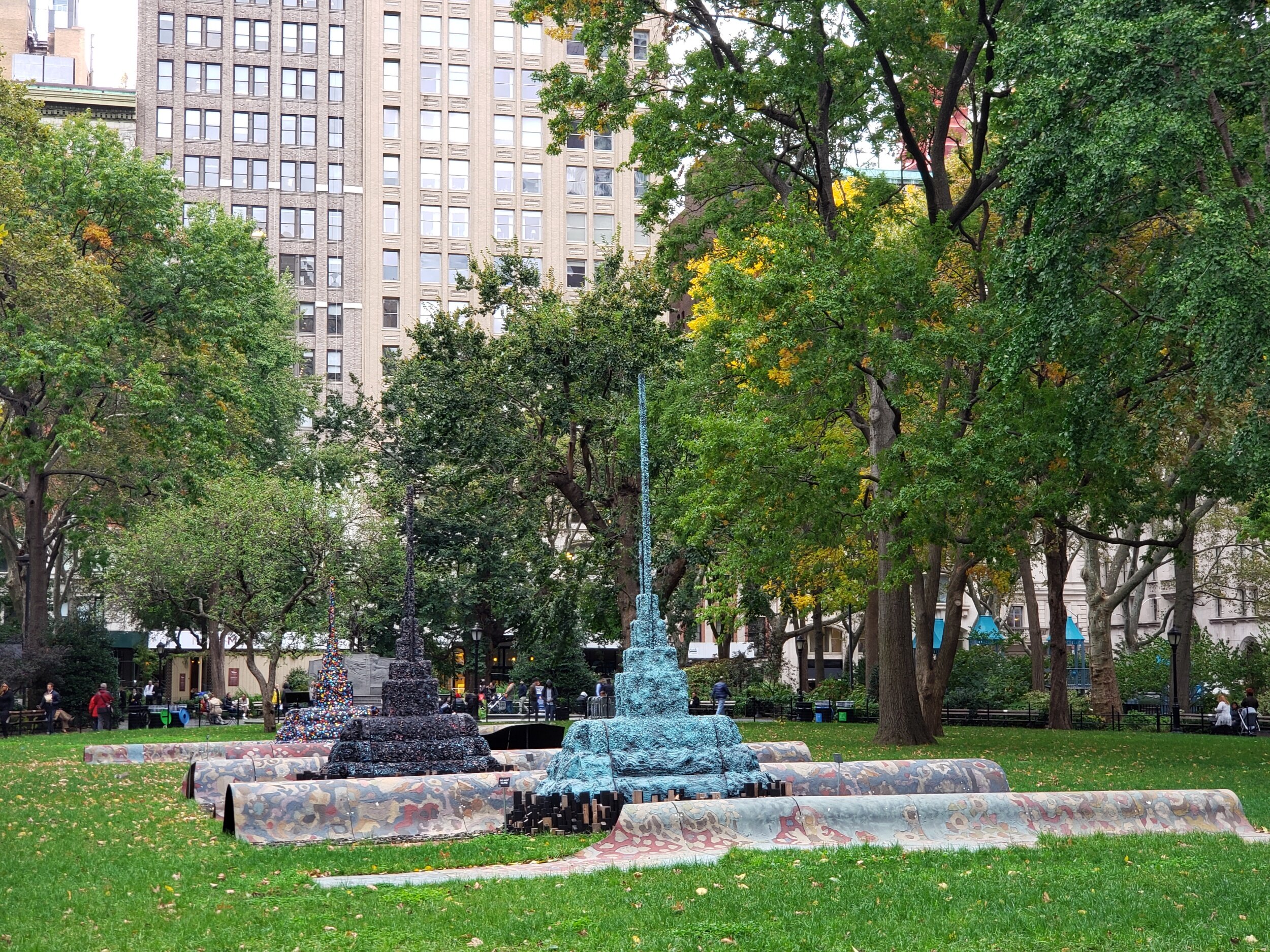
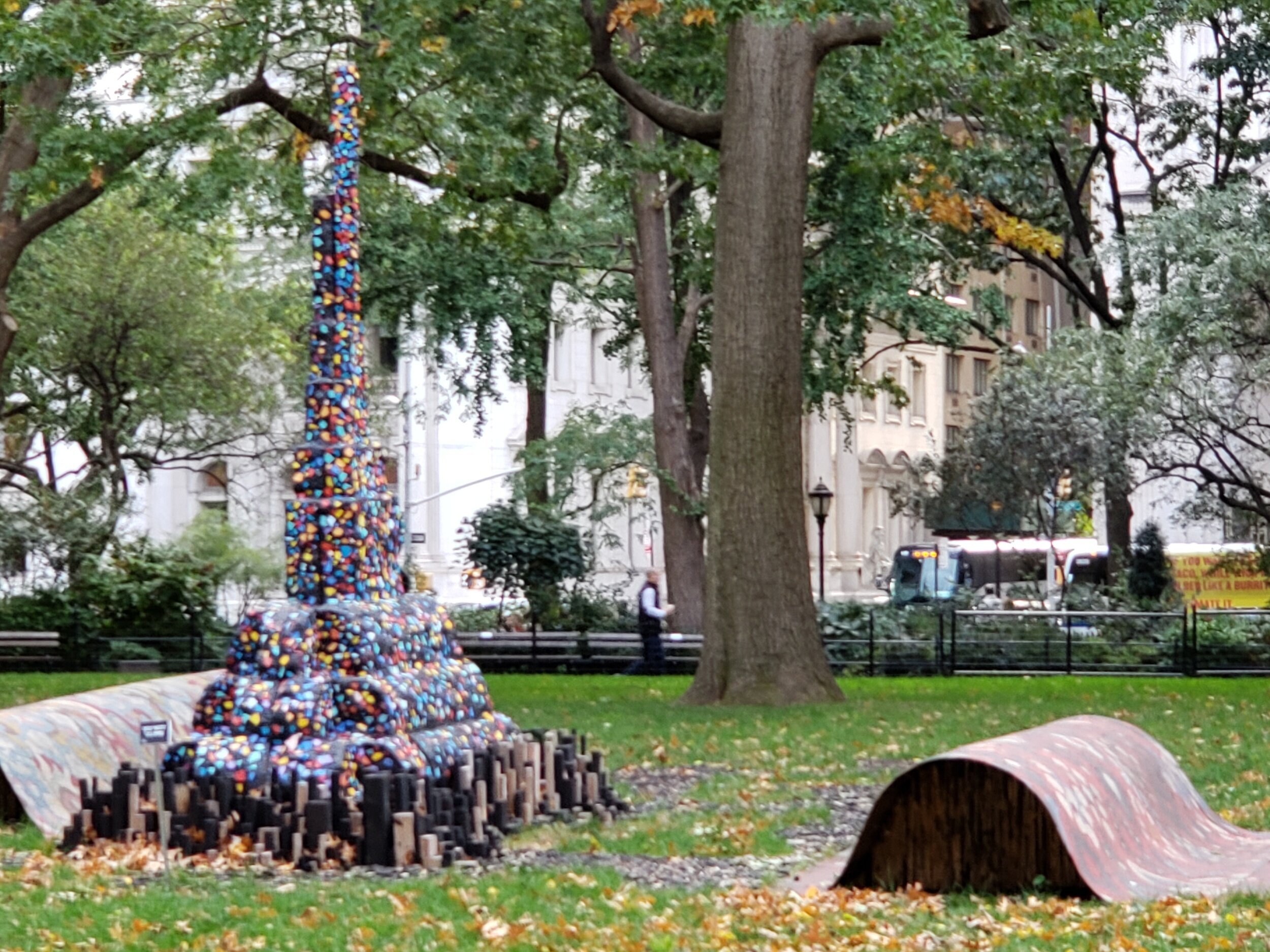
City in the Grass by New York-based artist Leonardo Drew extends over 100 feet on the lawn at Madison Square Park and features a colorful and textured surface reminiscent of a Persian carpet. Using varied materials, Drew has created a sprawling artwork with abstract cityscapes beneath rising towers. The artist is known for manipulating natural materials that resemble found objects, and creates works that often address social concerns and injustices. This piece includes both domestic and urban motifs. “This is a symbolic and literal multilayered project,” Brooke Kamin Rapaport, exhibition curator and Deputy Director and Martin Friedman Senior Curator of Madison Square Park Conservancy, said. “The artist builds layer on layer of materials while using the metaphor of a torn carpet as a complicated reference to home, comfort, and sanctuary.” While visitors are invited to walk on the carpet to get a closer look, when we visited the lawn was closed. But no worries, the original Shake Shack is nearby!
The Guardian: "'These people aren't just statistics': behind the year's most personal look at immigration"
“I want you to imagine waking up one morning, and your father is just gone,” Awa Sow says at the beginning of Living Undocumented, Netflix’s six-part series executive produced by Selena Gomez. The show follows eight undocumented families from across America as they navigate the US immigration system under the Trump administration. One family is the Sows, from Mauritania and now living in Ohio, whose father Amadou was arrested and was being held indefinitely in detention. Director Aaron Saidman told The Guardian that the series was intended as “a more comprehensive story of immigration, but directly from the immigrants themselves.” Along with harrowing footage and emotional interviews with the families, the series also features interviews with attorneys, advocates, and journalists to explain how the US immigration system functions and how “complicated and daunting and intimidating that system is for the immigrants who are going through it.”
“This was specifically designed to not be a political story,” Saidman said. “This is meant to be a human interest story where you can get a sense of what these people are really going through.” He added: “Hopefully this series will help accomplish this, that they understand that these people aren’t just statistics.” Selena Gomez, the show’s executive producer, wants viewers to look beyond the headlines. “I watched footage outlining their deeply personal journeys and I cried,” she wrote in Time Magazine of the series. “It captured the shame, uncertainty, and fear I saw my own family struggle with. But it also captured the hope, optimism, and patriotism so many undocumented immigrants still hold in their hearts despite the hell they go through.”
Reframe Our Conversations

Spyscape
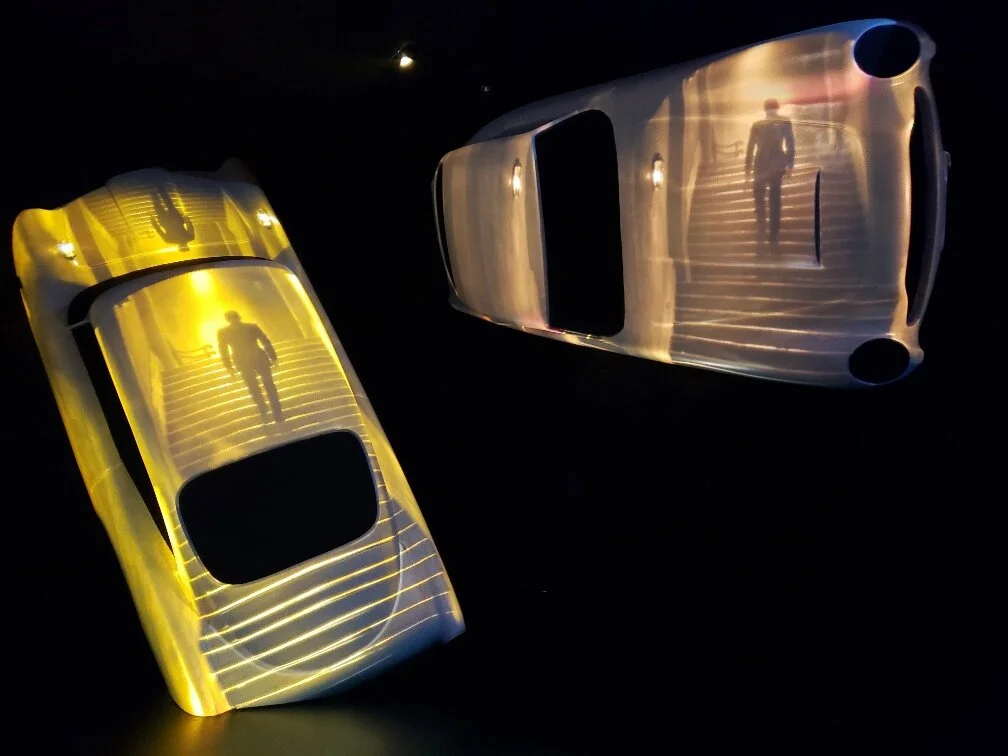
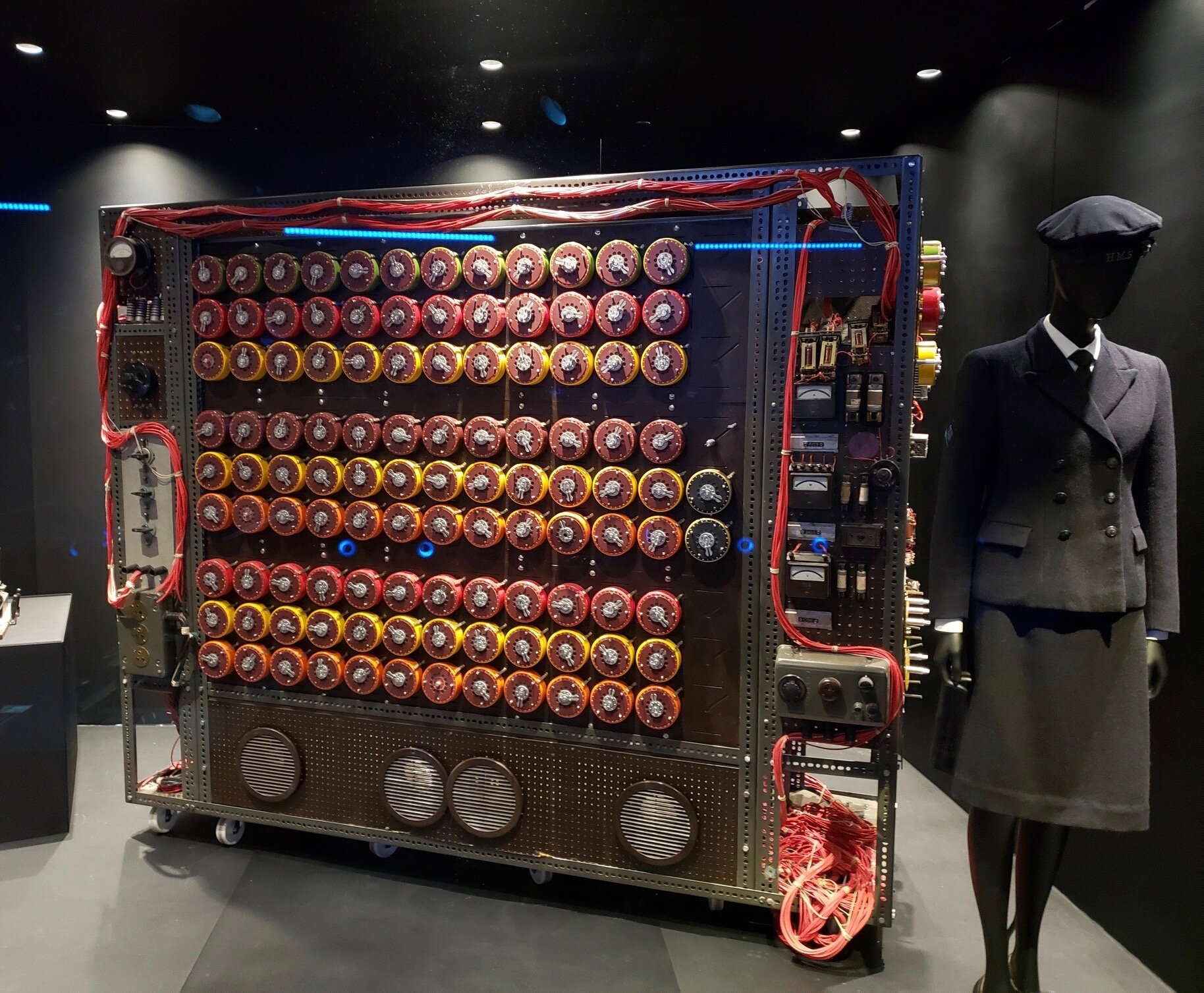
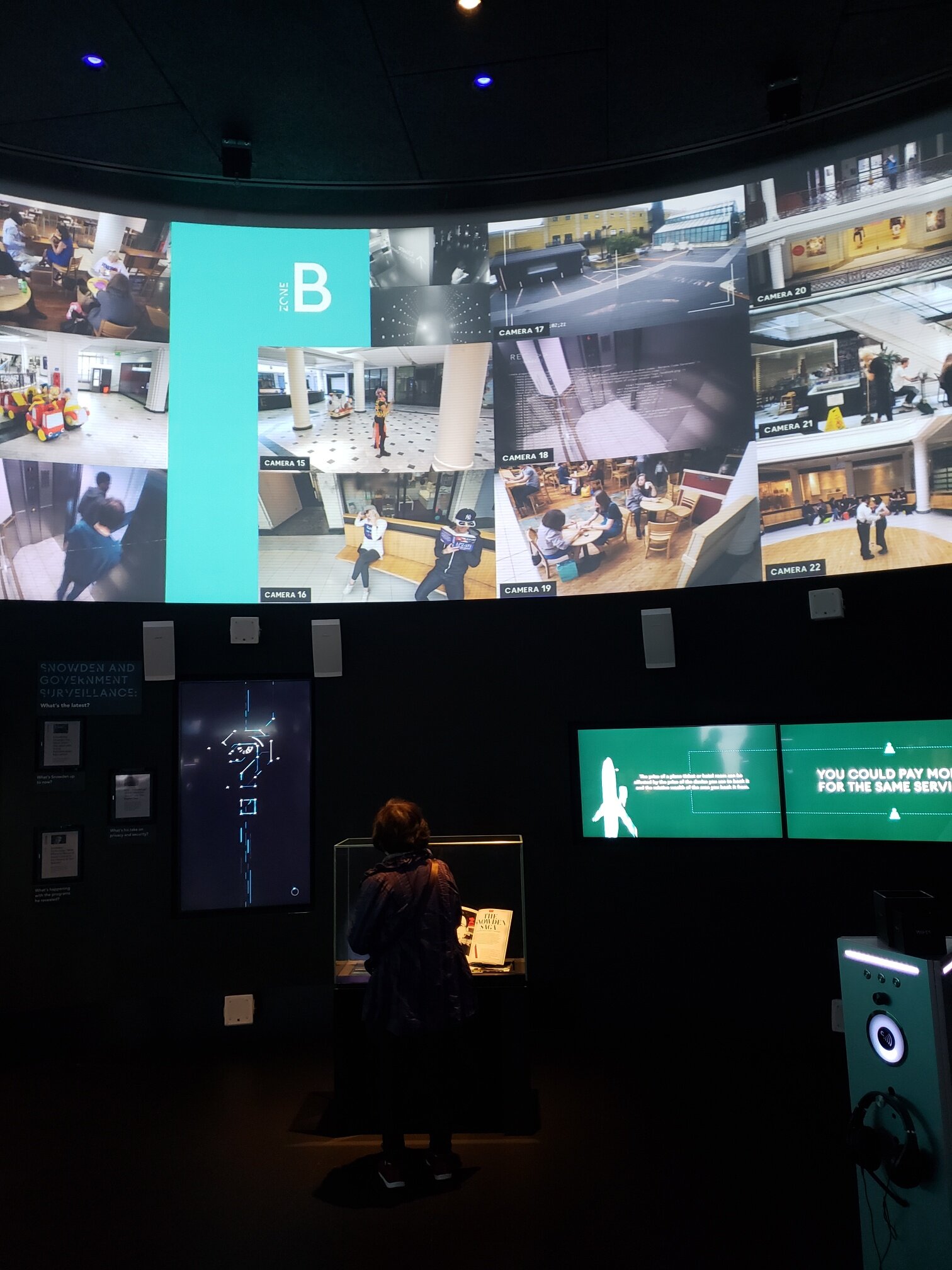
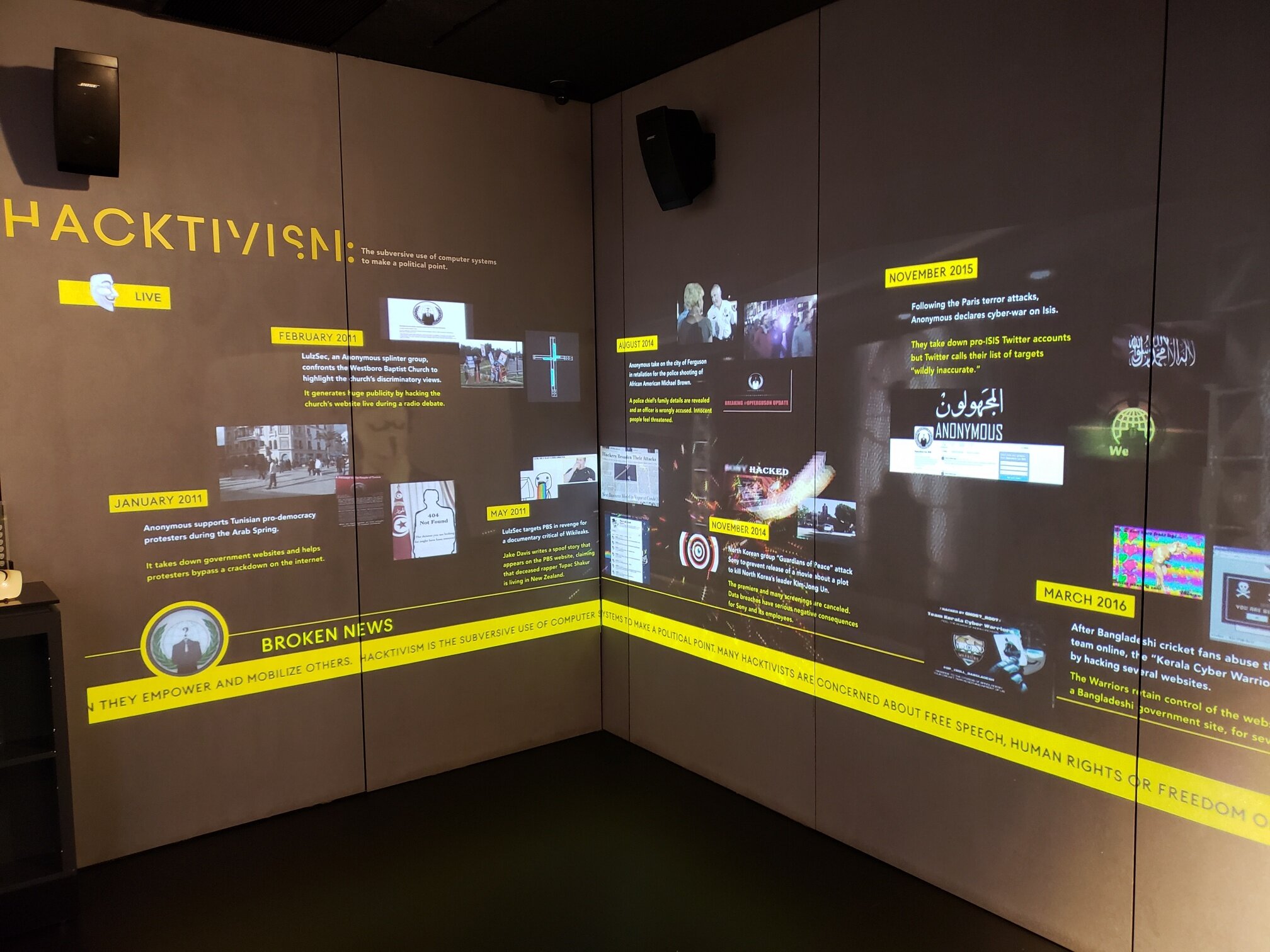
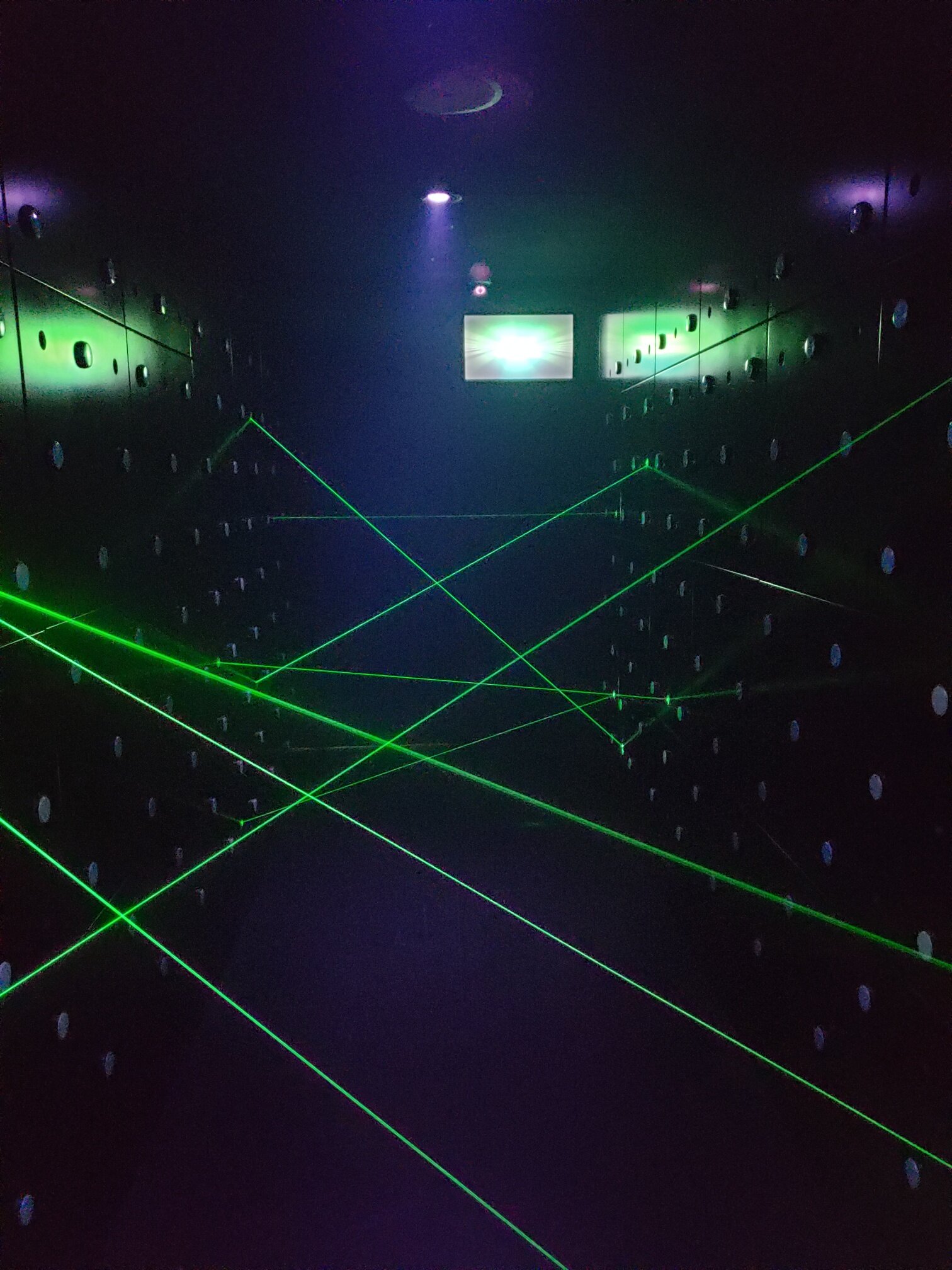

Spyscape is an immersive and educational museum in Manhattan that lets you learn about the world of spycraft and espionage (in real life and the fictional world of James Bond) as well as test out your own potential to be a spy. Visitors can learn about the work of the cryptologists (including the famed Alan Turing) who helped end WWII by hacking the Enigma machine, the powerful cyber weapon that destroyed Iran’s nuclear program, the dangerous FBI spy who sold secrets to the Russians for twenty-two years, as well as the clever gadgets, props, cars (yes, there is an Aston Martin), and creative processes behind the 007 films. Importantly, visitors can also develop their own spy profile. We tested our lying and detection skills (perfect), code-making and code-breaking encryption skills (not so great), surveillance skills (excellent), and agility and speed in the laser tunnel Special Ops Challenge (not too bad). According to the results our next job is Surveillance Officer. Watch out, James Bond.