Sanctuary, or asylum, is a very old legal concept that refers to the protection that a country or other sovereign provides to a national of another country fleeing war or persecution. Unlike most of US immigration law, asylum is unique in that it is derived from international law, including the 1951 United Nations Convention Relating to the Status of Refugees (Refugee Convention), which provides a definition of refugee and sets forth the principle of non-refoulement. Under the refugee convention and US asylum law, a refugee is a person who “owing to a well-founded fear of being persecuted for reasons of race, religion, nationality, membership of a particular social group or political opinion, is outside the country of his nationality and is unable or, owing to such fear, is unwilling to avail himself of the protection of that country.”
The principle of non-refoulement is the principle that a country may not return a refugee to countries where they would face persecution based on one of these protected grounds. Another international treaty is the Convention Against Torture and Other Cruel, Inhuman and Degrading Treatment or Punishment (CAT), to which the US is also a signatory, that prohibits returning a person to a country where there are “substantial grounds for believing that he would be in danger of being subjected to torture.”
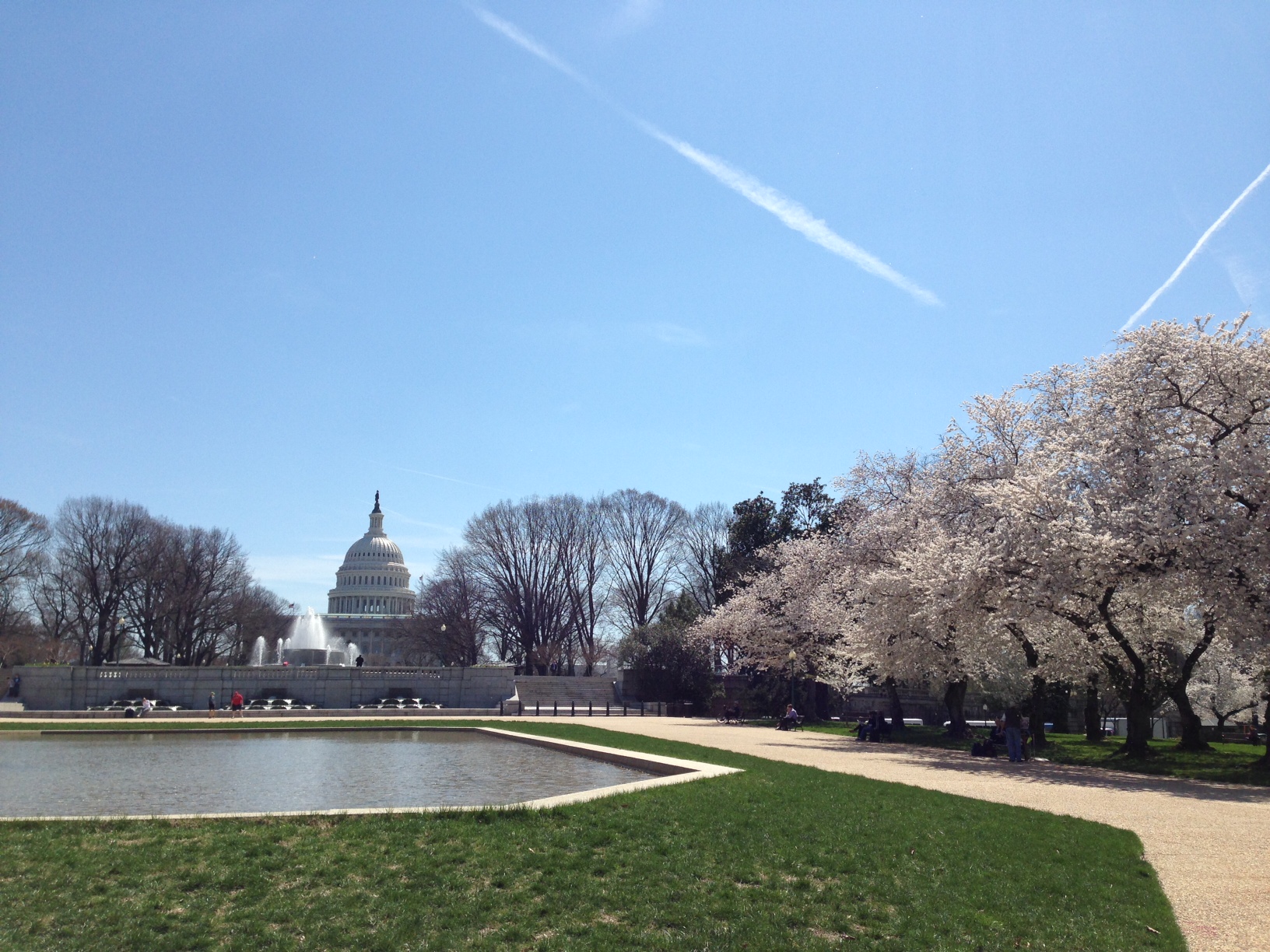
Read moreThere are no blossoms. That’s the first thing I noticed about this year’s Sakura Matsuri a.k.a. Cherry Blossom Festival at the Brooklyn Botanic Garden. And yes, it’s the opening line of a haiku I wrote and was muttering to myself while pushing my way through the hundreds of other festival goers on the so-called Cherry Esplanade (no trees in bloom), getting body-checked by backpacks, and my foot run over by strollers pushed by parents with that look in their eye. And if there are no cherry blossoms, how exactly does one contemplate the beauty and fragility of life and death?
Read moreEvery year, the Rome District Chapter of the American Immigration Lawyers Association (AILA) holds a conference outside of the US. The Rome District Chapter is mainly composed of AILA members from the US, Europe, and Africa and specifically focuses on the visa application process and related consular issues, with an additional focus on outbound immigration (i.e., when US citizens need work or travel visas to Europe and beyond). This year, in March, the Rome District Chapter Conference took place in Athens, Greece.
As a first-time conference attendee and traveler to Greece, and inspired by Protima, Liz, and Jen's own travel reports on conferences in San Francisco, Vermont, and India, respectively, I am thrilled to report on this most recent travel and conference experience!
Read moreWhen some foreign nationals hear “Deferred Inspection,” they may understandably feel a sense of anxiety or dread. But while “Deferred Inspection” does have a somewhat ominous sound, this process, not to be confused with “secondary inspection,” actually has the potential to be quite useful and helpful for many foreign nationals.
When foreign nationals arrive at a US port of entry, normally a Customs and Border Protection (CBP) officer will inspect the foreign national’s relevant documentation (passport, visa stamp, I-797 Approval Notice, for example) to confirm their immigration status and admit them to the US in that status (this is referred to as "primary inspection"). In some circumstances, however, the documentation presented by the foreign national at primary inspection may not allow the inspecting CBP officer to come to an immediate decision concerning the foreign national's immigration status. Consequently, the inspecting officer may then either: 1) refer the foreign national to secondary inspection, where CBP officers will further review the foreign national’s status; or 2) they may admit the foreign national to the US but schedule an appointment for them to appear at a Deferred Inspection Site on a future date so the foreign national can provide the missing or additional documentation needed. Foreign nationals may also return to Deferred Inspection after they are admitted to the US to request that CBP correct an error an officer made when admitting the foreign national (such as the misspelling of a name or the incorrect visa category).
Read more